


Garden FruttaGarden Frutta
  • Home Page
  • Company
  • Products
    • Strawberries, Cherries and Small Fruits
    • Exotic Fruits
    • Exotic Vegetables
    • Mushrooms
    • Herbs
    • Chili Peppers
    • Roots
    • Special Products
  • Our Brand
    • Garden Frutta
    • Garden Esotika
    • Amor
    • Mon Amour
  • Certifications
  • Contacts
  • Work with us
  • English
    • Italiano
    • English
Garden Frutta
  • Home Page
  • Company
  • Products
    • Strawberries, Cherries and Small Fruits
    • Exotic Fruits
    • Exotic Vegetables
    • Mushrooms
    • Herbs
    • Chili Peppers
    • Roots
    • Special Products
  • Our Brand
    • Garden Frutta
    • Garden Esotika
    • Amor
    • Mon Amour
  • Certifications
  • Contacts
  • Work with us
  • English
    • Italiano
    • English
Garden Frutta
Watermelon
Watermelon

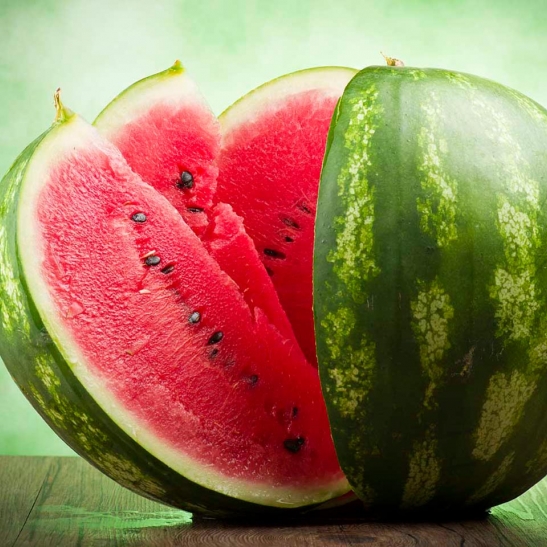
Watermelon is a red pulp fruit made up of over 90% water. For this reason, it is a nice ally against the heat in summer!
Thirst-quenching, refreshing and with a sweet flavour, it has a very low- calorie intake.
You can enjoy it alone, in large fruit salads, or you can indulge yourself by creating imaginative fruit cocktails with lemon juice, fresh mint, brown sugar and vodka for those who want it!
Melon
Melon

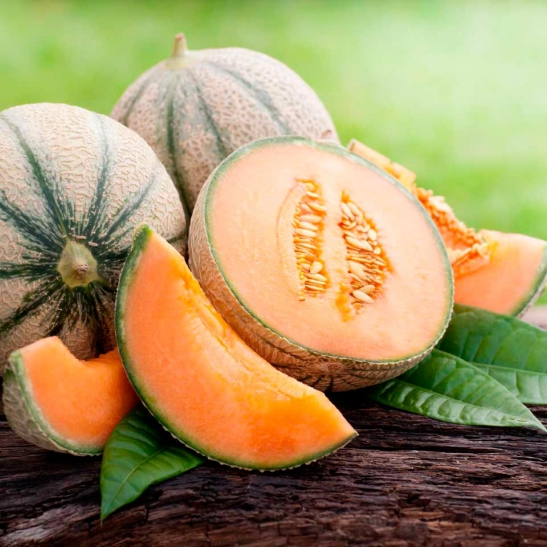
Juicy and refreshing, melon is the fruit of summer!
Rich in water and readily assimilated sugars, melon hydrates, quenches thirst and gives energy without weighing you down.
It is used in many recipes, from the most traditional such as desserts and ice creams to the most particular to accompany white meat.

Yellow melon
Yellow melon

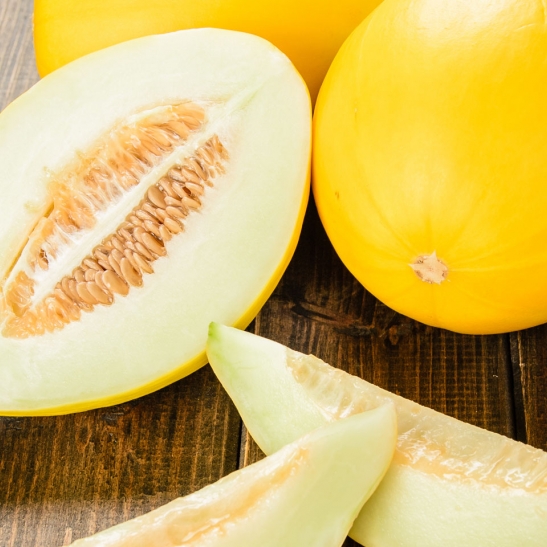
Sweet and juicy, the yellow melon is an ally of our health.
With its white pulp with yellowish shades, thirst-quenching, it offers a valid relief from the summer heat. Potassium gives energy to the body and makes you forget tiredness. It is also rich in vitamins A and C, powerful natural antioxidants.
To enjoy a refreshing drink, we recommend extracting the melon juice with lemon and a mint leaf!

Coconut
Coconut

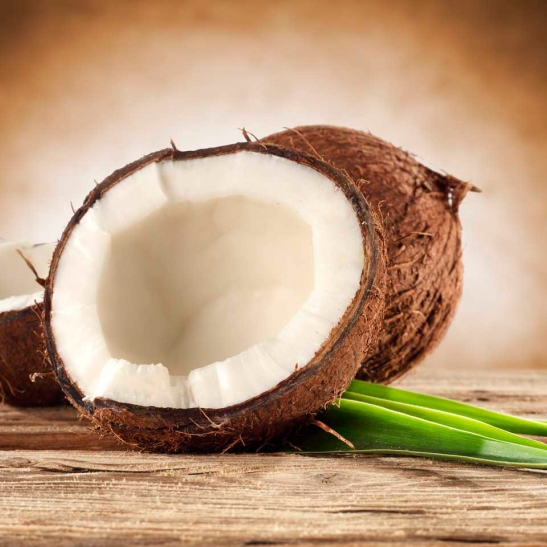
With an unmistakable taste and very rich in nutrients, coconut is an essential fruit!
It reminds us of the sea, the beach and makes us want to go on vacation.
Its uses are innumerable: pulp, water, leaves and peel are used to cooking cosmetics ... it really is the tree of life!

AVAILABILITY: Year-round.
STORAGE: Recommended temperature between 5 and 15° C.

Pineapple
Pineapple

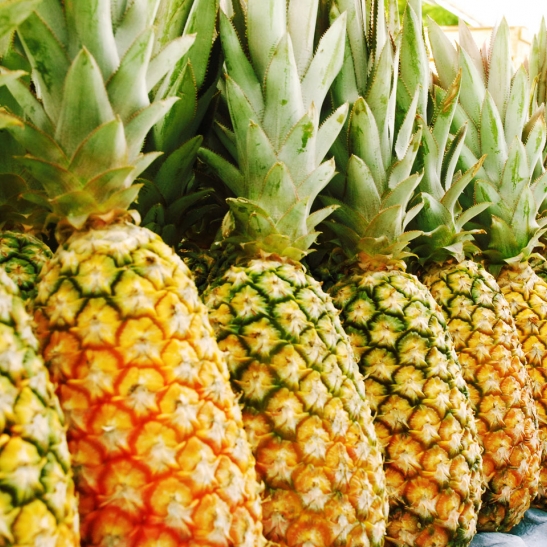
Pineapple is an incredible fruit, used in many ways in the kitchen: the stem is used for anti-inflammatory and digestive purposes while the leaves are used to produce ropes and fabrics.
The degreasing and refreshing properties make it a valid ingredient in recipes that include meat, fish and vegetables.
Pineapple is also a good source of vitamins and salts such as iron, potassium, calcium, phosphorus and is very rich in bromelain.

AVAILABILITY: Year-round.
STORAGE: Recommended temperature between 8 and 10° C.

Baby pineapple
Baby pineapple

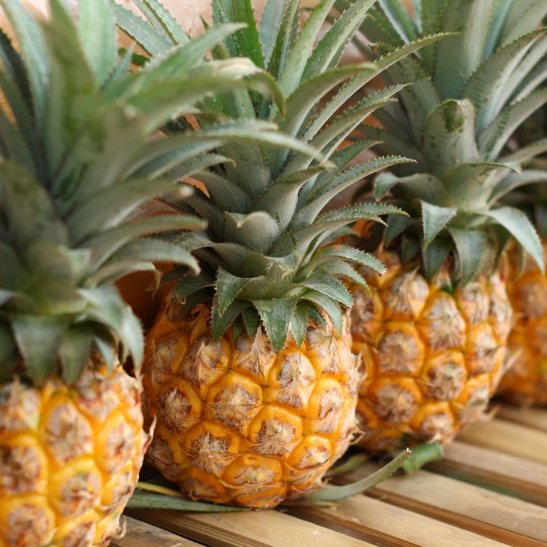
Baby pineapples have a lot in common with the usual pineapples.
The small version is similar in appearance and tastes the same. The pulp is soft and always sweet.

AVAILABILITY: Year-round.
STORAGE: Recommended temperature between 8 and 10° C.

Plantains
Plantains

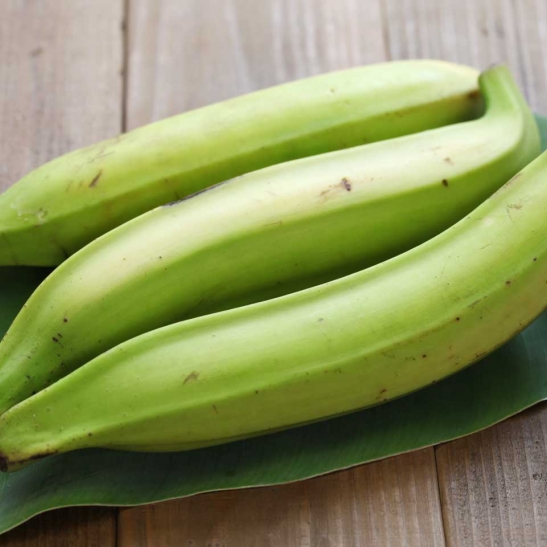
Plantains are the member of the banana family that cannot be eaten raw.
They can be cooked in a pan, fried or grilled.
The fruit is characterized by its high starch content. The delicious sweet flavour that plantains are so famous for, only comes out after cooking.

AVAILABILITY: Year-round.
STORAGE: Recommended temperature between 10 and 12° C.

Mini bananas
Mini bananas

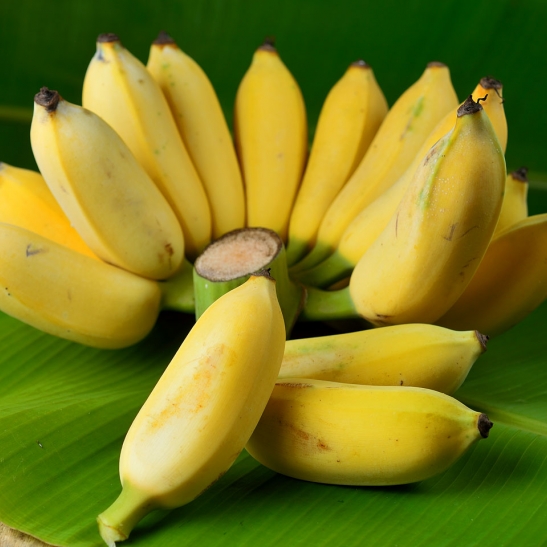
Consumers or restaurant guests who are used to regular bananas will be pleasantly surprised at the sight of the mini bananas.
A real banana in appearance and a real eye-catcher in size. Mini bananas are only 6 to 8 centimetres long.
They are delicious and sweet. Their thinner peel makes this banana variety easier to peel.

AVAILABILITY: Year-round.
STORAGE: Recommended temperature between 10 and 13° C.

Sharon
Sharon

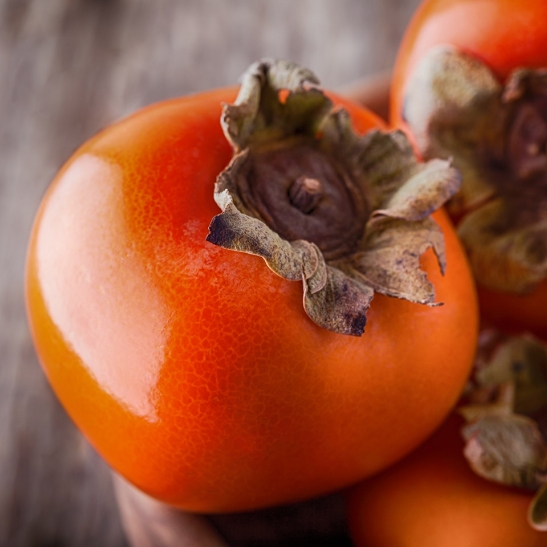
Sharon is a different type of persimmon from the one we are used to: the fruit is larger and has a firmer pulp.
The flavour is exquisite and sugary, similar to that of apricot.

AVAILABILITY: Year-round.
STORAGE: Recommended temperature between 2°C.

Carambola
Carambola

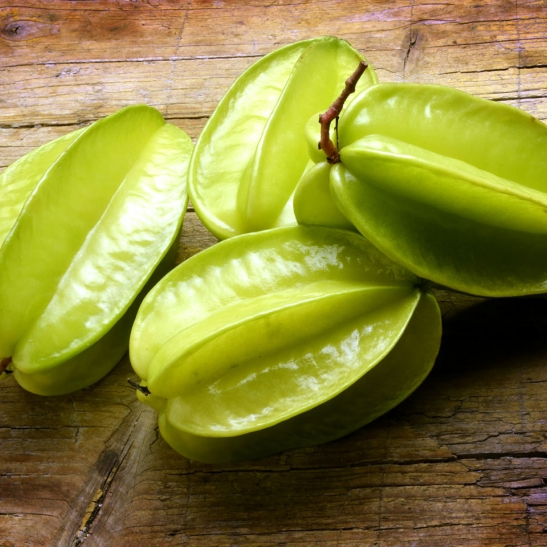
Carambola is a particular fruit, known by the name of star fruit due to the characteristic star shape that the slices take once cut!
It is often used to decorate cakes and cocktails but you can also use it as a juice for exotic drinks: it has a high concentration of vitamin C.
The starfruit can be eaten whole, including peel and seeds.

AVAILABILITY: Year-round.
STORAGE: Recommended temperature between 7 and 10° C.

Avocado
Avocado

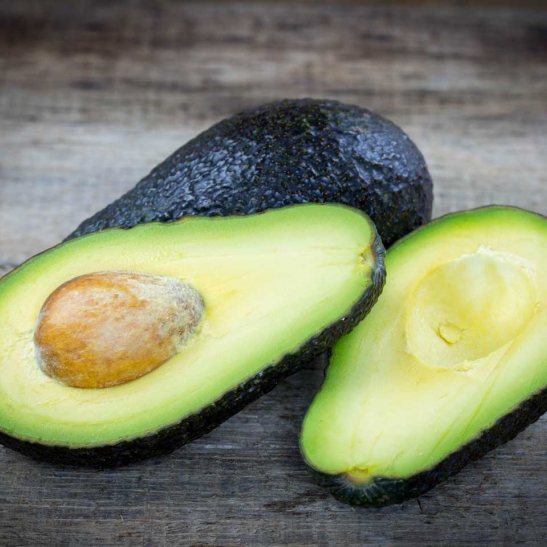
Avocado is a good fruit both to eat raw and to use in combination with other ingredients to prepare delicious recipes. The important thing is that it is ready to eat! Look for the Garden Frutta production from your trusted retailer: you can find avocado ready to eat (we also write it on the label!) Or unripe, to ripen at home. It only takes a few days at room temperature, even better next to other fruit, and you can enjoy it!

AVAILABILITY: Year-round.
STORAGE: Recommended temperature around 5° C.

Mango
Mango

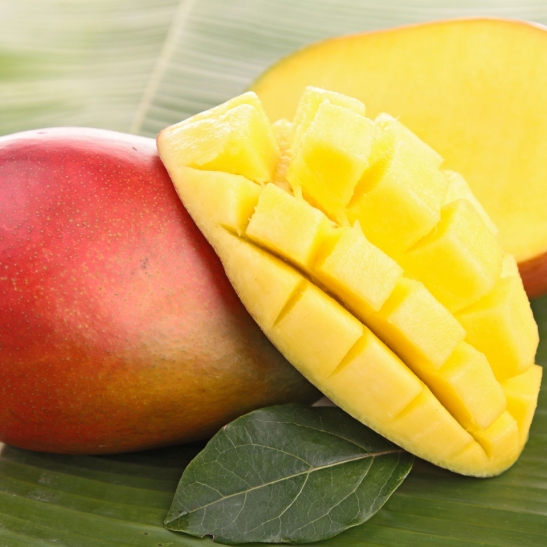
Mango is a very popular fruit, now widespread and also consumed in our country.
The taste is sweet and very sugary, with fruity hints reminiscent of peach, pineapple and orange.
Unlike many fruits, the colour of the mango peel does not indicate the degree of ripeness: if it is soft to the touch, it is ready to be consumed!

AVAILABILITY: Year-round.
STORAGE: Recommended temperature between 8 and 10° C.

Papaya
Papaya

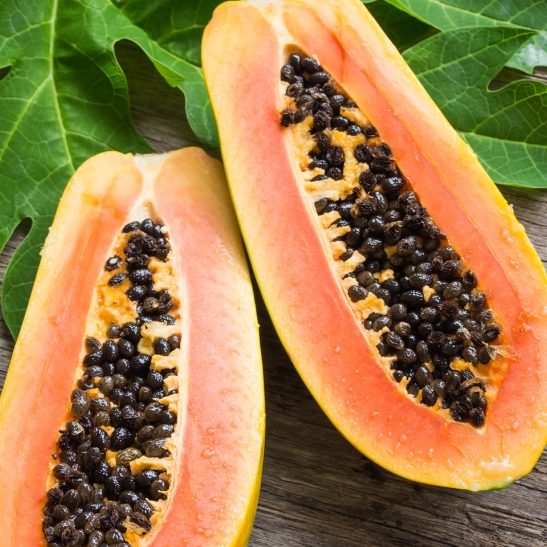
Papaya is a sweet and aromatic fruit that conquers from the first bite.
It is generally eaten raw, peeled and seedless. It is excellent on its own or in smoothies, fruit salads and with cereals and yogurt, perfect for a healthy and tasty snack!
Papaya seeds are edible, they can be ground and used as a substitute for pepper or mixed in salad dressings.

AVAILABILITY: Year-round.
STORAGE: Recommended temperature around 10° C.

Formosa papaya
Formosa papaya

Formosa papaya is one of the largest papaya varieties, with its weight up to 3 kg.
The pulp is orange with small black seeds in the centre. The flavour is sweet and aromatic.
La Formosa stands out for its delicate scent. The peel skin is greenish-yellow.

AVAILABILITY: Year-round.
STORAGE: Recommended temperature around 10° C.

Maracuja
Maracuja

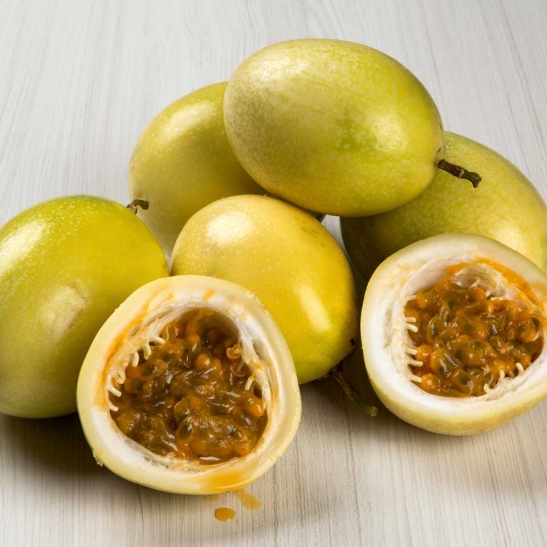
Maracuja belongs to the passion fruit family.
Inside it, you will find the yellow-orange pulp, rich in small edible seeds. The taste is sweet and sour.
When the passion fruit is ripe, the skin becomes wrinkled and the association with rotten fruit is easy to do. But in reality, a ripe maracuja is not only a delicacy, it also contains important nutrients.

AVAILABILITY: Year-round.
STORAGE: Recommended temperature around 10° C.

Passion fruit
Passion fruit

Passion fruit is delicious to eat on its own: simply open it in two and taste the jelly-like pulp with a teaspoon.
It is also used for the preparation of many juices, cocktails and drinks.
We like to use the juice of this incredible fruit to season the fruit salad and give it a real exotic touch!
When the peel becomes slightly soft to the touch, it is the perfect time to consume it.

AVAILABILITY: Year-round.
STORAGE: Recommended temperature around 10° C.

Tamarillo
Tamarillo

Tamarillos are also known as tree tomatoes. This nickname is no coincidence: their red colour and oval shape are reminiscent of a tomato.
Both are also part of the same family of crops, native to the Andes. This makes the tamarillo technically a fruit vegetable.
Inside, the tamarillo is orange, with small (edible) seeds in the pulp. The flavour is sweet and intense, but avoid the bitter peel which doesn't taste very pleasant.

AVAILABILITY: Year-round.
STORAGE: Recommended temperature around 10° C.

Granadilla
Granadilla

Granadilla, what goodness!
We advise you to cut it into two parts and collect the pulp with a spoon: the sweet and sour taste will win you over!
Granadilla is also an amazing ingredient for exotic smoothies and cocktails.

AVAILABILITY: Year-round.
STORAGE: Recommended temperature around 10° C.

Dragon fruit
Dragon fruit

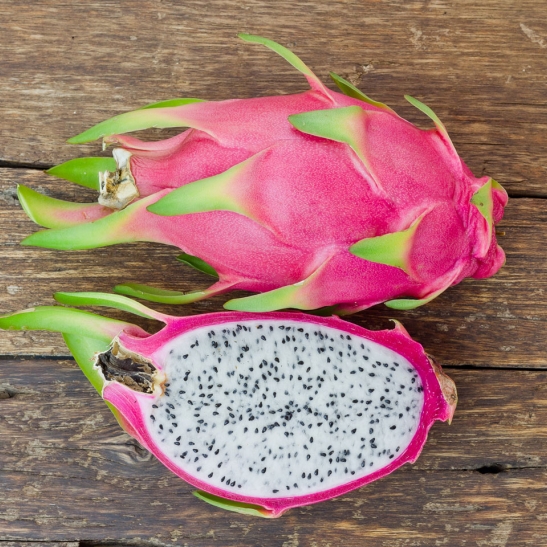
Pitaya is a sweet exotic fruit typical of Central America.
The fantastic flavour and the colourful peel contain a concentrate of benefits for the body.
Tasting it is very simple: it can be sliced, peeled or cut in half and eaten with a spoon!

AVAILABILITY: Year-round.
STORAGE: Recommended temperature between 6 and 10° C.

Yellow dragon fruit
Yellow dragon fruit

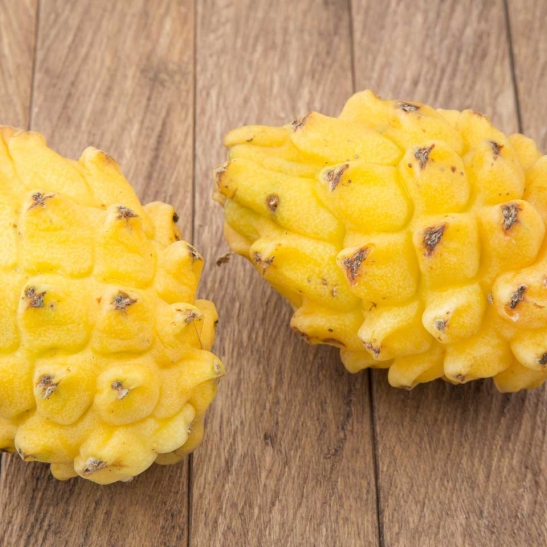
The yellow dragon fruit is a fruit with a sweet and aromatic flavour.
It has white and creamy pulp with black dots similar to those of kiwi and the taste is reminiscent of that of melon.

AVAILABILITY: Year-round.
STORAGE: Recommended temperature around 10° C.

Kiwano
Kiwano

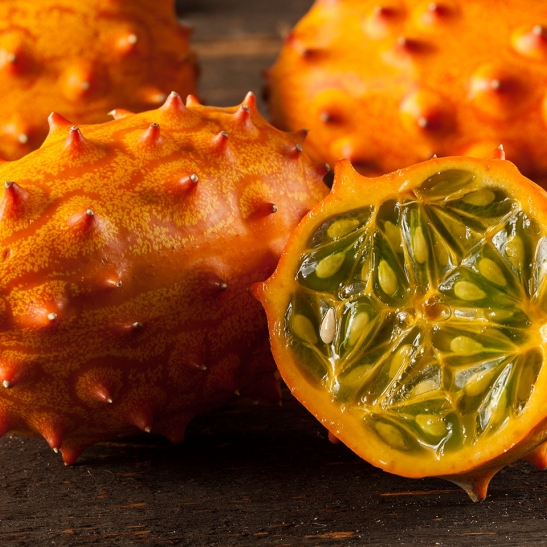
Kiwano melon, as the stories tell, owes its name to the resemblance to the more common kiwi.
It has a slightly intense, watery flavour, reminiscent of cucumber and vaguely banana, although it has a slightly sweet and sour aftertaste.
Hard to describe!

AVAILABILITY: Year-round.
STORAGE: Recommended around 18° C.

Pomegranate
Pomegranate

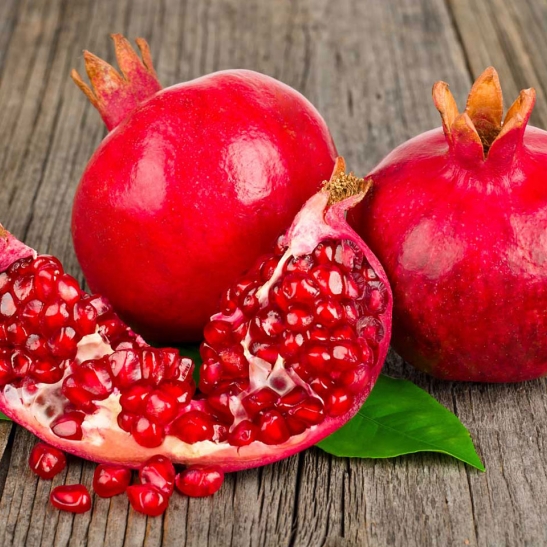
This wonderful fruit hides its true magic inside, in the myriad of red beans that make up its pulp!
Depending on its size, the Pomegranate Garden Fruit can be enjoyed in different ways: the smaller sized fruit is usually used to be squeezed and drunk as a juice; the fruit with the largest caliber is suitable for being shelled and eaten naturally.
A real cure-all for health!

AVAILABILITY: Year-round.
STORAGE: Recommended between 6 and 8° C.

Fig
Fig

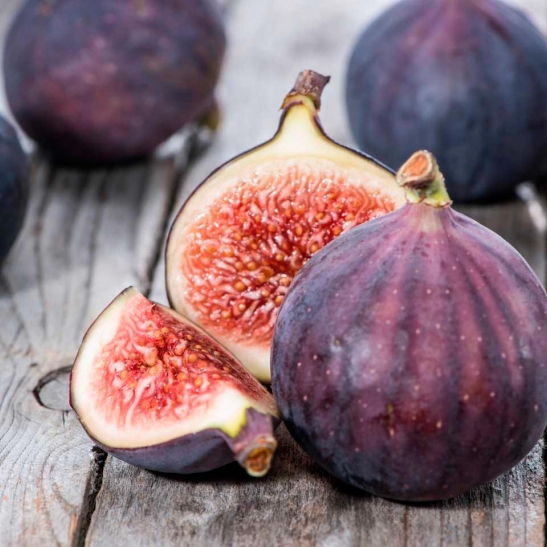
Figs: very sweet and full of energy!
This fruit can be used to prepare delicious jams and cakes, as well as the more particular applications in risottos and with meats and cured meats.

AVAILABILITY: Year-round.
STORAGE: Recommended between 2 and 5° C.

Physalis
Physalis

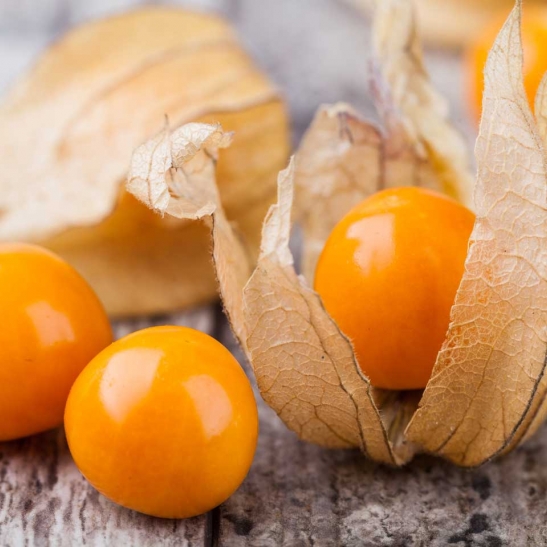
Called groundcherry or physalis, this little orange berry is beloved in cooking and pastry.
The fruit grows in a beautiful bell-shaped veined chalice, it is fragrant and has a particular, slightly bitter flavour.
It is ideal for making jams and jellies and is perfect with chocolate.

AVAILABILITY: Year-round.
STORAGE: Recommended between 8 and 10° C.

Rambutan
Rambutan

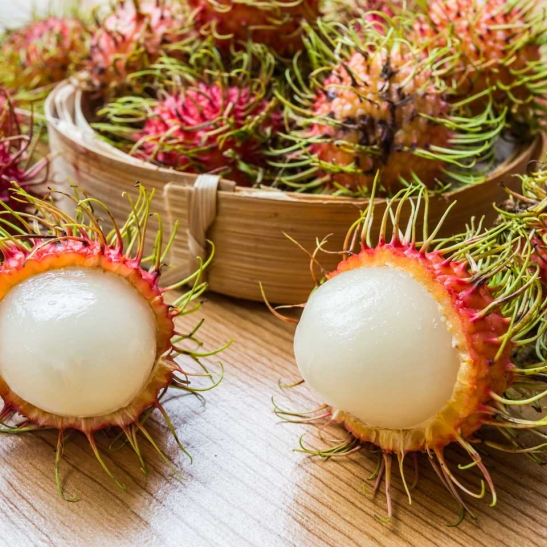
It resembles the more famous Lychee and is eaten fresh after the outer skin is removed.
In Asia, it is often used for the production of rice and fruit-based desserts!

AVAILABILITY: Year-round.
STORAGE: Recommended between 6 and 8° C.

Litchi
Litchi

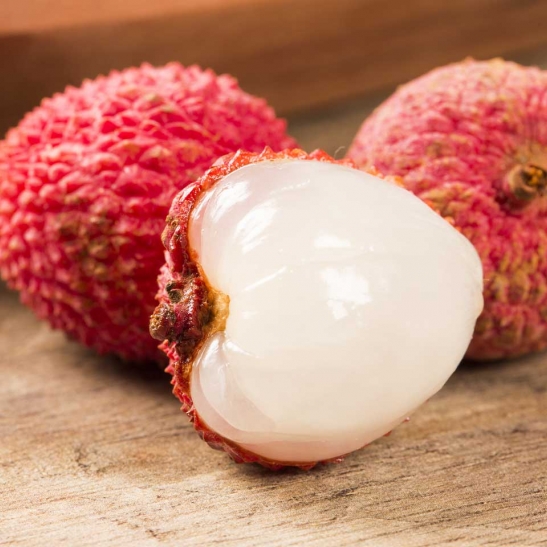
Such a wonderfully fragrant white pulp, like a fresh rose!
Lychee is used for the preparation of tasty desserts and smoothies, but also in cocktails or savoury dishes.
It is a perfect accompaniment to fish; the only care is to combine it with slightly sour flavours to balance the sweetness of the fruit.

AVAILABILITY: January and from July to December
STORAGE: Recommended around 2° C.

Mangosteen
Mangosteen

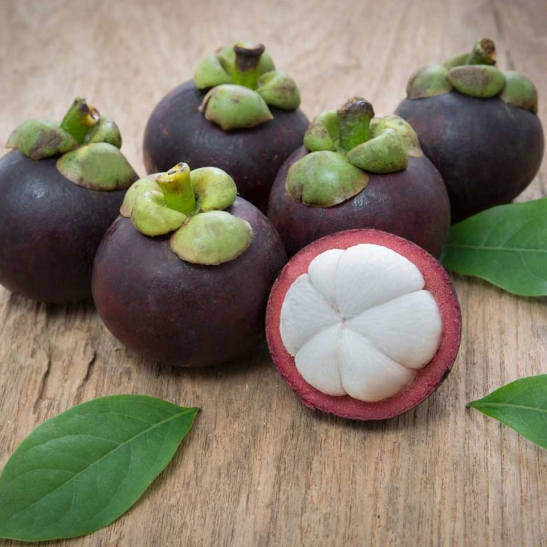
The dark colour of the peel hides delicious wedges with a delicate and slightly bittersweet flavor.
Vaguely reminiscent of lychee, but it's tastier!

AVAILABILITY: Year-round.
STORAGE: Recommended between 6 and 12° C.

Kumquat
Kumquat

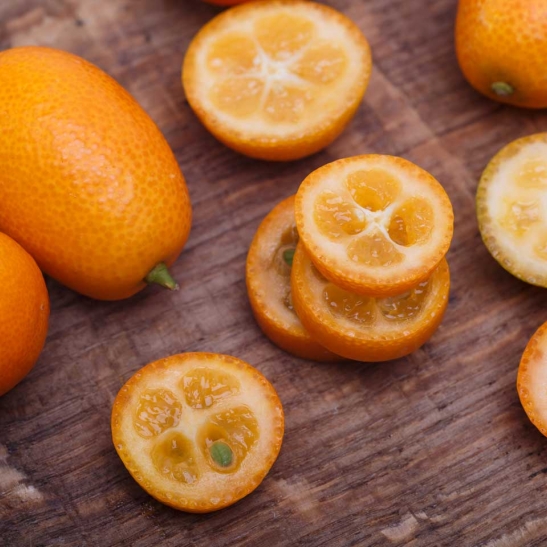
Kumquat, also known as Chinese Mandarin, is an oval citrus fruit of about 3-4 cm.
This fruit must be washed well because you have to eat it with all the peel and it is in the peel that the sweetness is concentrated!
A fresh taste, with a sour and sweet flavour at the same time, similar to orange.

AVAILABILITY: Year-round.
STORAGE: Recommended between 8 and 10° C.

Lime
Lime

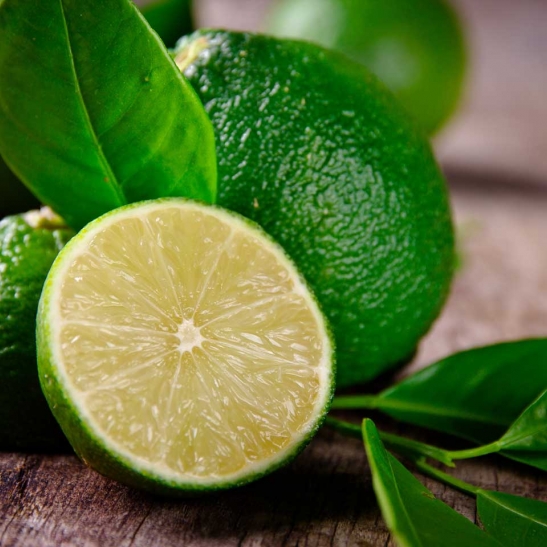
The round fruit with a diameter of about 6 centimetres can be recognized by its dark green colour and thick skin.
Limes are slightly smaller than lemons and also a little less acidic.
Not only is the light green pulp tasty, but limes also stand out for their aromatic scent.

AVAILABILITY: Year-round.
STORAGE: Recommended between 6 and 10° C.

Pomelo
Pomelo

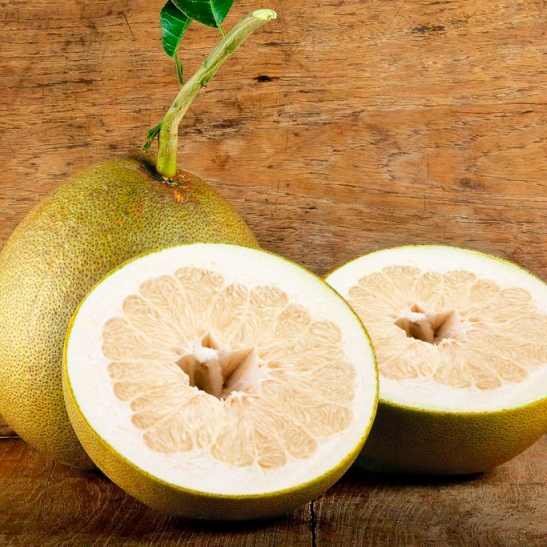
It is the largest citrus fruit in nature, a truly incredible fruit with a taste similar to an orange.
Great to be consumed fresh, to prepare cocktails and to accompany beautiful summer salads!
The peel is often used to flavour the most varied recipes.

Purple potato
Purple potato

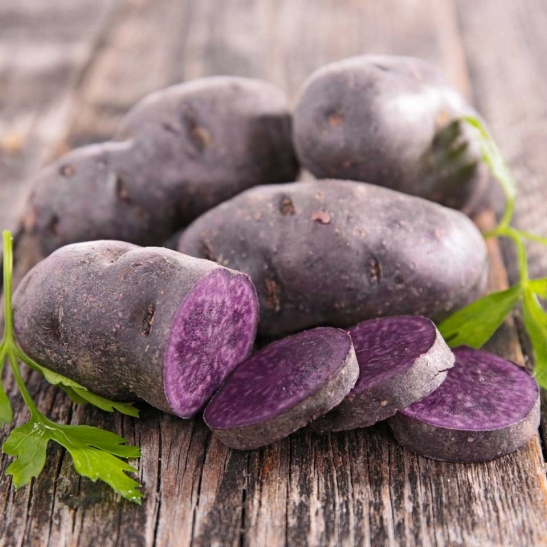
Purple potatoes are very little known. They are tubers that, in addition to being original in colour, are also extraordinary and unique in flavour, as they are close to that of chestnuts.
This potato lends itself to different combinations guaranteeing a unique chromatic effect. With the purple potato, you can make everything from the first course to the desserts: everything is possible.

Sweet potato
Sweet potato

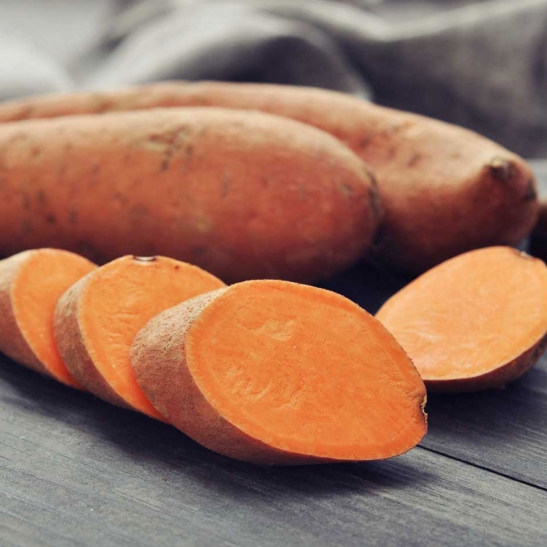
Garden Frutta sweet potatoes, which today arrive in our kitchens from the United States, can be recognized by their orange colour.
They can be baked, boiled or even fried! This nice potato is very versatile and allows you to create delicious savoury or pastry dishes.
They are a superfood that nutritionists recommend in different diets.

Ratte potato
Ratte potato

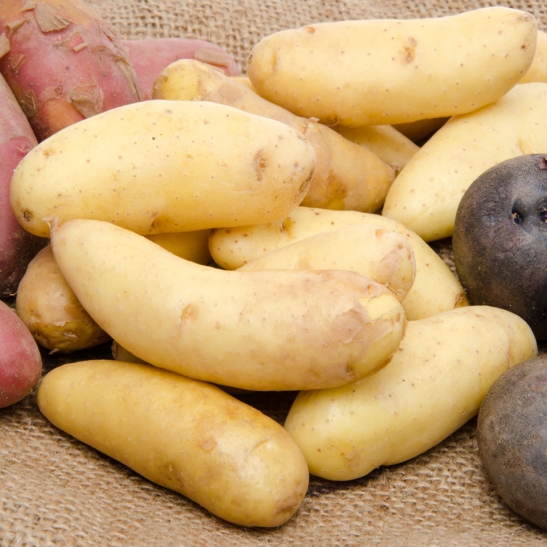
Ratte potatoes are a particular type of yellow-fleshed potato, elongated in shape, and with a flavour similar to that of chestnuts.
The skin of these potatoes is very thin and delicate. It can be removed very easily by rubbing it with your fingers, but you can also eat it.
Like common potatoes, they can be eaten boiled or baked. They handle cooking very well and can be used to prepare excellent gnocchi or mashed potatoes.

Yellow carrot
Yellow carrot

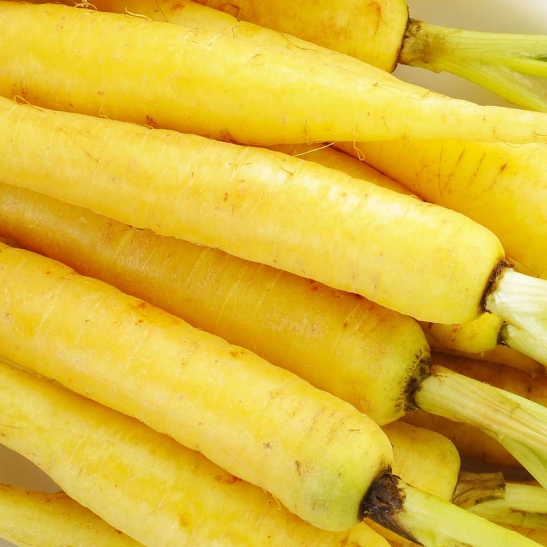
Carrots are known for their high content of nutrients, especially those that are good for the eyes.
This also applies to yellow carrots, which are rich in one of these substances: lutein.
The root vegetable that grows underground is also popular for its flavour: slightly sweet, slightly less than the purple variety.
Carrots have a bright yellow colour and a crunchy bite.

AVAILABILITY: Year-round.
STORAGE: Recommended between 2 and 4° C.

Purple carrot
Purple carrot

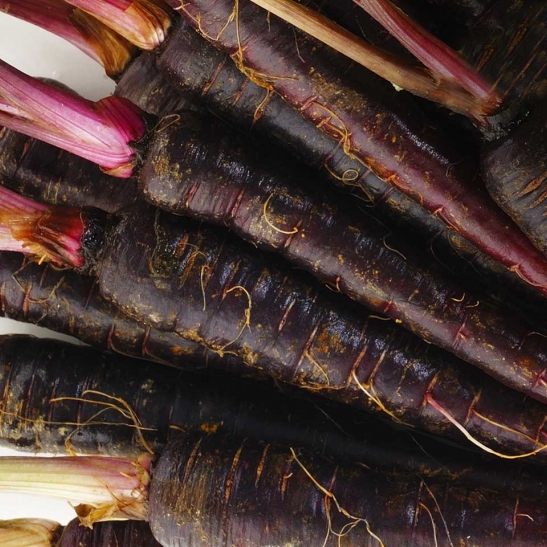
The purple carrot is less known today. It combines the typical nutritional properties of the classic carrot with a significant number of flavonoids and carotenoids, which help fight cellular aging.
Try them baked in the oven for an appetizer or a different side dish!

AVAILABILITY: Year-round.
STORAGE: Recommended between 2 and 4° C.

Yellow courgette
Yellow courgette

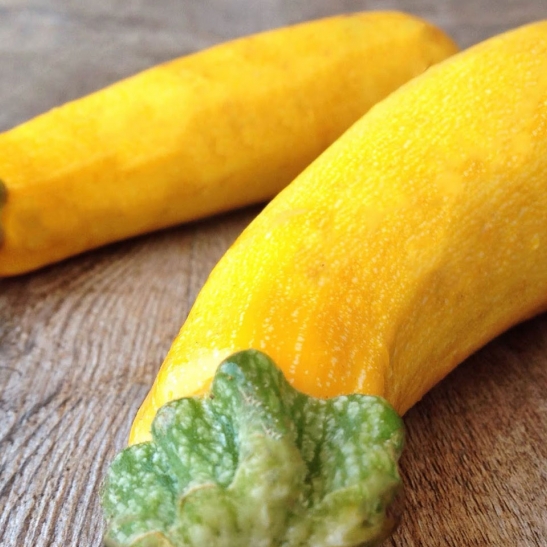
Yellow courgettes are a delicious vegetable, very similar to the green ones.
The delicate flavour and very high digestibility are the secrets and added values of yellow zucchini, which have a taste very similar to pumpkin.
In the kitchen, the uses are varied, exactly the same as green zucchini, they can be cooked in a sautéed pan, but also stuffed in the oven or marinated, to be enjoyed both raw and cooked.
Yellow courgette is also perfect for risotto and omelettes, but also as a condiment for simple pasta.

Green bean
Green bean

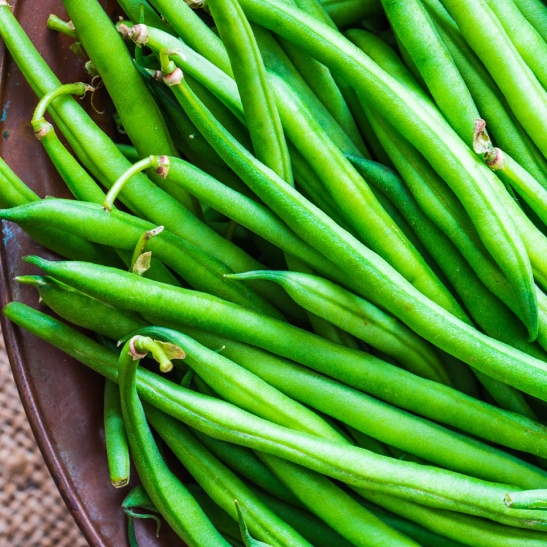
These long green beans originate in France.
Thin beans have a lot in common with regular beans, although the shape is usually much straighter.
The main difference lies in the slightly more intense and refined taste.

AVAILABILITY: Year-round.
STORAGE: Recommended between 6 and 8° C.

Mangiatutto
Mangiatutto

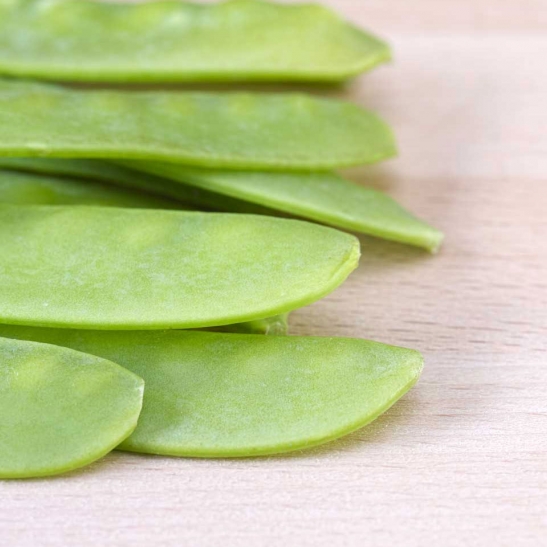
Mangiatutto are also known by the name of Taccole and is the fruit of some herbaceous plants originating in the Mediterranean countries.
If you don't know them, they come in a wide, slightly flattened shape and have a delicate and slightly sweet flavour.
From a nutritional point of view, they contain good amounts of vegetable proteins and starches, and vitamins A, B, C, and E.
They also contain folic acid, very important for pregnant women, and mineral salts such as phosphorus, potassium, and iron.

Okra
Okra

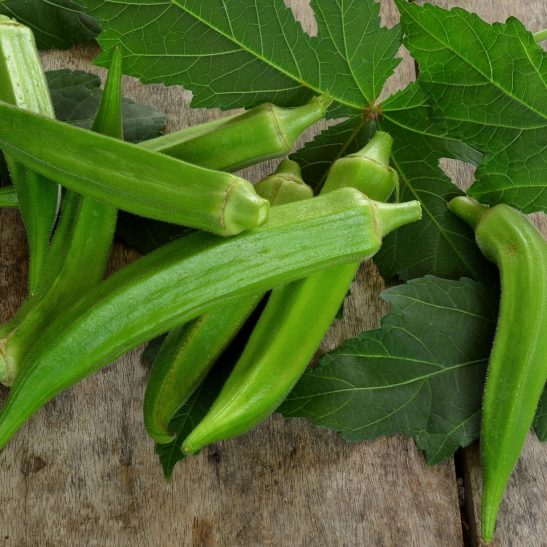
Their shape alone is reminiscent of a truly exotic vegetable. Okra looks like a cross between a courgette and a chili (green), about 5-10 centimetres long with vertical ribbed stripes.
They are seeded pods sourced from a tropical herb.
With its slightly savoury flavour, okra is no different from green beans. When you cooked them longer, the texture becomes a little mucous. They are also great for thickening soups and other dishes.

AVAILABILITY: Year-round.
STORAGE: Recommended around 6° C.

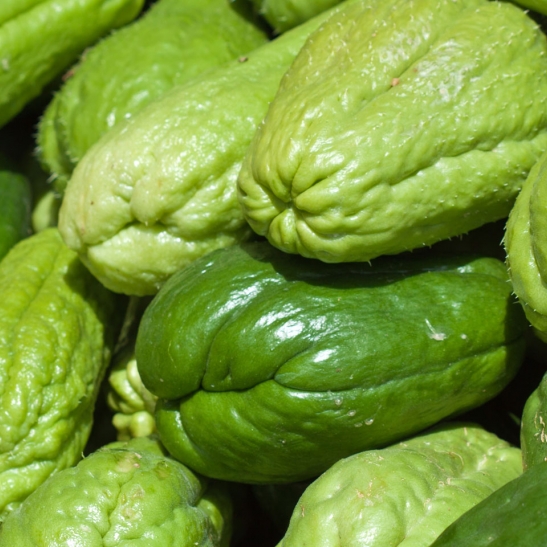
Chayotte
Chayotte

Firstly, vegetables are not the first association that comes to mind. Its appearance is more of a mix of a pear and an apple, with deep folds.
The bite of chayote is firm, like an apple. In terms of taste, it is a combination of melon and cucumber.
The softcore that is inside is edible.

AVAILABILITY: Year-round.
STORAGE: Recommended around 12° C.

Sugar cane
Sugar cane

Sugar cane looks more like bamboo. Exotic stems are responsible for three-quarters of the world's (cane) sugar production.
The Chinese and Indians already knew 25 centuries ago that the juice of this plant is wonderfully sweet.
The stems are white-green, with long fibers.

AVAILABILITY: Year-round.
STORAGE: Recommended between 6 and 8° C.

Rhubarb
Rhubarb

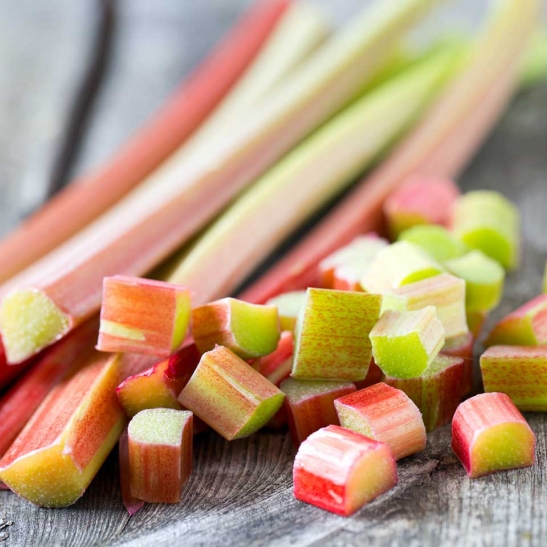
Rhubarb is an ancient vegetable originating from China, which is used in many ways: especially for candies, liqueurs, jams and various sweets.
Its flavour will be the secret ingredient of your preparations!
Do you want to try it? Add it to the jam ingredients in your fruit tart recipe!

Lemon Grass
Lemon Grass

Lemongrass or Citronella is a plant often used in Asian recipes: it gives a pinch of flavour and aroma to dishes, thanks to the biting taste similar to lemon.
Excellent for preparing fish-based dishes, to marinate or cook in foil. Used in cold dishes, it refreshes and lightens, while in hot ones, it stimulates digestion.

AVAILABILITY: Year-round.
STORAGE: Recommended between 2 and 6° C.

Corn
Corn

It is a vegetable that looks like ordinary corn, but in reality, it's a bit different.
As soon as they are harvested, the cobs begin to transform their starch into sugars, so the taste is sweet.
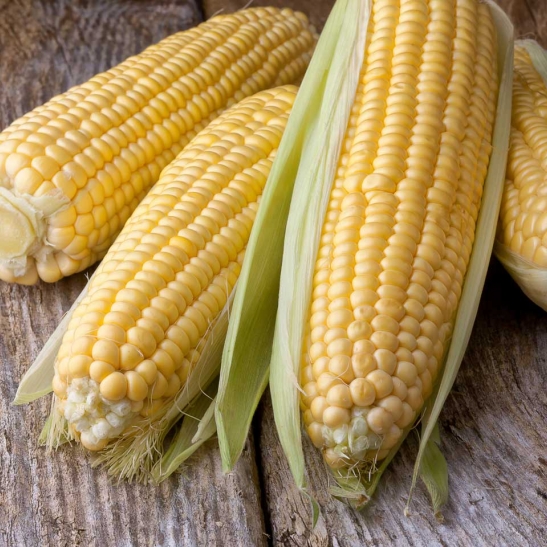
You can recognize the cobs by their intense yellow colour and white skin.

AVAILABILITY: Year-round.
STORAGE: Recommended around 3° C.

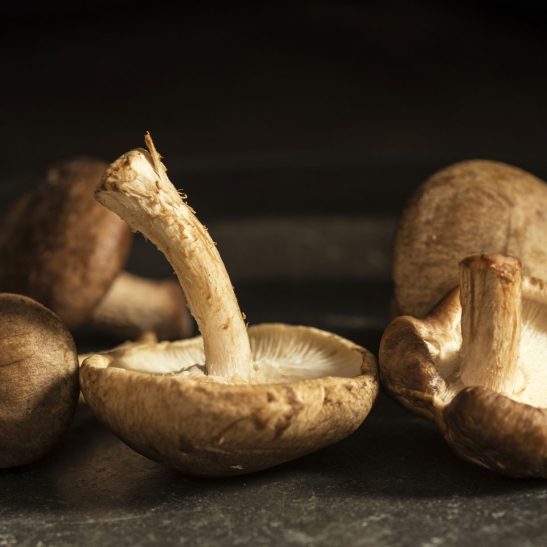
Lentinula Edodes (Shiitake)

Among the Asian varieties of mushrooms, one of the most popular is shiitake.
Originally from Japan, it is excellent raw in salads with thyme, pink salt, linseed oil, and soy sauce, while stewed remains a tasty side dish.
A precaution: it is good to use a pan with a lid because they dehydrate easily. We recommend gentle steam cooking.

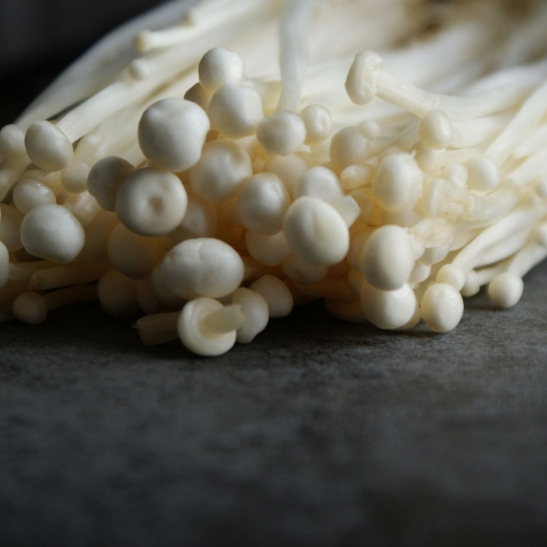
Enokitake (Enoki)
Enokitake (Enoki)

Enoki mushrooms are characterized by a whitish colour and long and very thin stems.
Their flavour is delicate and slightly sweet. It is important to remember they are pleasantly crunchy in the mouth.
Ideal for preparing tasty soups, enoki mushrooms are health concentrates as they have antiviral and antibacterial properties.
Furthermore, it should be remembered their preventive efficacy on the most serious senile diseases such as Alzheimer's, thanks to the presence of beta-d-glucan, an antigen typical of different types of fungi.

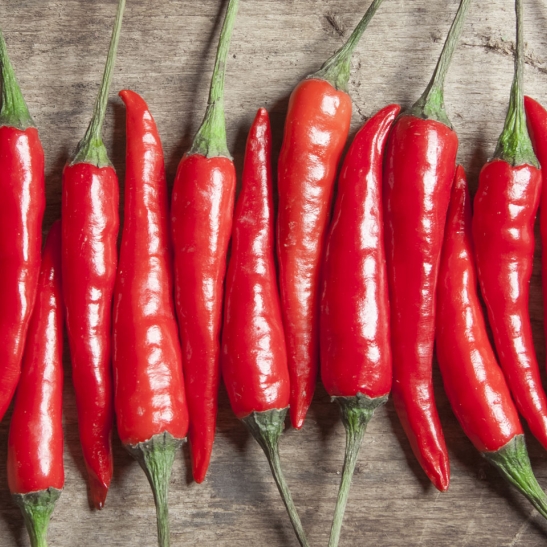
Cayenne Pepper
Cayenne Pepper

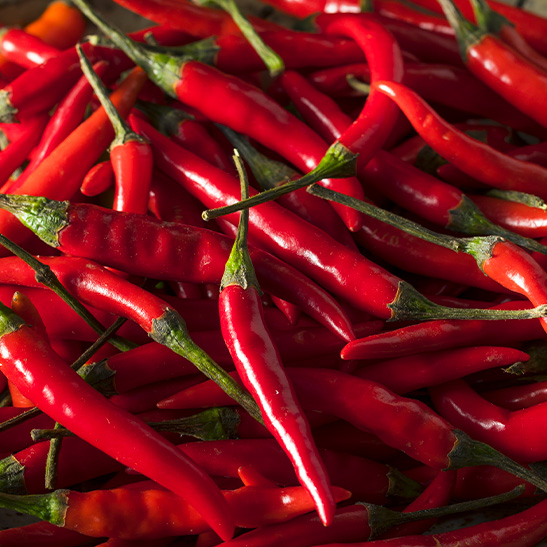
Cayenne pepper is popular with consumers who are looking for a more delicate taste. Pepper is also often used in powder form.
Cayenne pepper is long and shiny, and the longer ones become slightly curved. The pepper can be red, yellow, or green.

AVAILABILITY: Year-round.
STORAGE: Recommended between 10 and 12° C.
SPICINESS: 7 out of 10

Serrano pepper
Serrano pepper

If you are a fan of Jalapeños and are looking to take the next leap on the spiciness scale, then the next step will be the Serrano pepper.
Serrano has a light but recognizable flavor, a moderate spiciness but extremely fast to arrive in the mouth.

SPICINESS: 5 out of 10

Padrón
Padrón

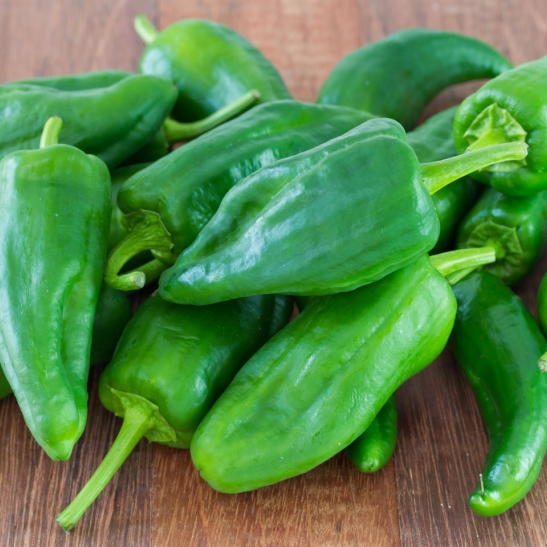
They are typical products of Galicia, Spain, which is why they are also known as the chili peppers of the Camino de Santiago!
They can also be eaten raw but the version that includes them fried in oil and served sprinkled with coarse salt, excellent to accompany an aperitif, is widespread!

AVAILABILITY: Year-round.
STORAGE: Recommended between 10° C.
SPICINESS: 1 out of 10

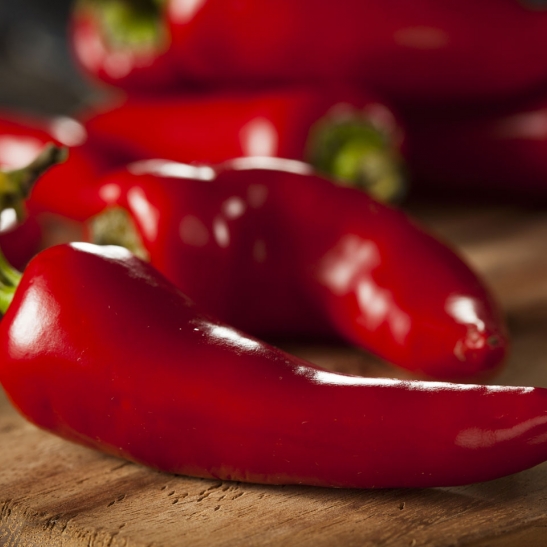
Poblano chilli
Poblano chilli

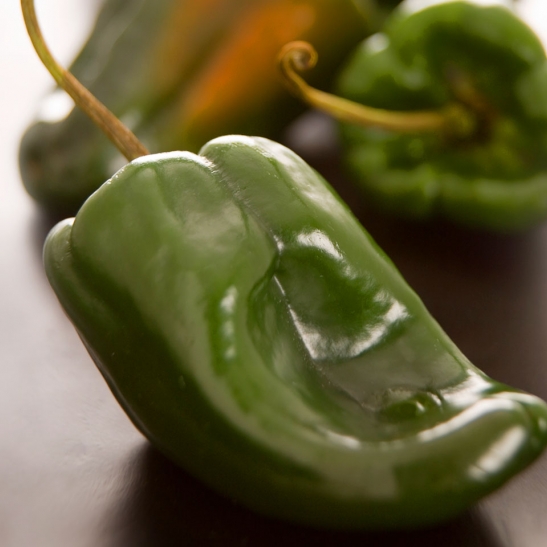
Their size and girth give the Poblano the appearance of sweet pepper.
The subtle and slightly spicy taste is also reminiscent of sweet peppers.
Officially, this pepper is known by two names: fresh like Poblano, dried like Ancho.

AVAILABILITY: Year-round.
STORAGE: Recommended between 8° C.
SPICINESS: 2 out of 10

Jalapeño
Jalapeño

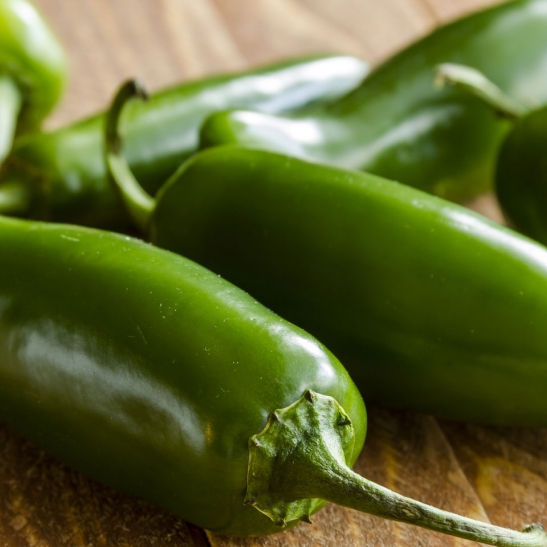
Jalapeño is one of the peppers we would call mild.
Because it is slightly less spicy, Jalapeño lends itself to being used whole or half in some recipes.
Jalapeño is most commonly sold in red and green. The peppers are 4 to 7 centimetres long, with glossy skin and the shape of a cone. Incidentally, Jalapeño loses some of its spiciness when the seeds and membranes are removed.

AVAILABILITY: Year-round.
STORAGE: Recommended between 10° C.
SPICINESS: 4 out of 10

Habanero
Habanero

Habanero peppers are quite popular; their unmistakable flavour is a must for those who are passionate.
The time wasters abstain. Their spiciness is no joke!

AVAILABILITY: Year-round.
STORAGE: Recommended between 6 and 10° C.
SPICINESS: 9 out of 10

Rawit chili
Rawit chili

Proceed with caution when cooking with rawit.
It is the favourite pepper of Thai and Indonesian chefs and home cooks.
The shape of the pepper is small and elongated. The skin appears waxy and has a bright red or green colour.

AVAILABILITY: Year-round.
STORAGE: Recommended around 10° C.
SPICINESS: 8 out of 10

Naga Jolokia
Naga Jolokia

Until 2007, Naga Jolokia had the honour of being the hottest pepper in the world.
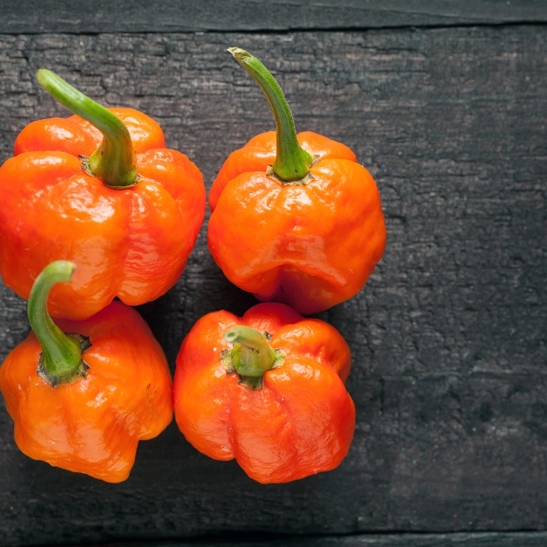
It would not seem harmless from this pepper; its dimensions are modest, from 5 to 8 centimetres in length and from 2 to 3 centimetres in diameter.
The skin is slightly wrinkled and the shape looks more like a miniature sweet pepper.

AVAILABILITY: Year-round.
STORAGE: Recommended between 10 and 12° C.
SPICINESS: 10 out of 10

Trinidad scorpion
Trinidad scorpion

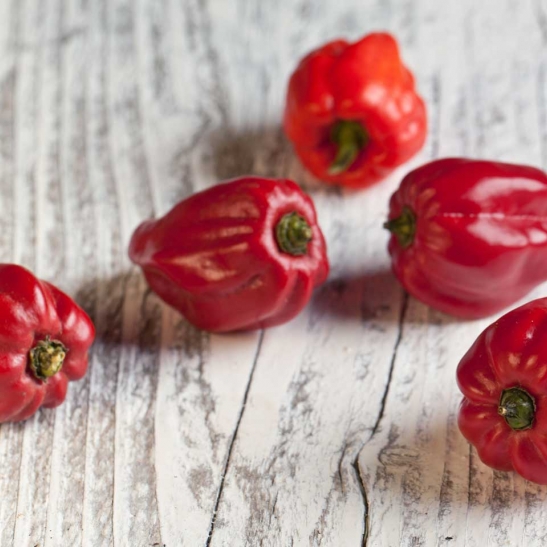
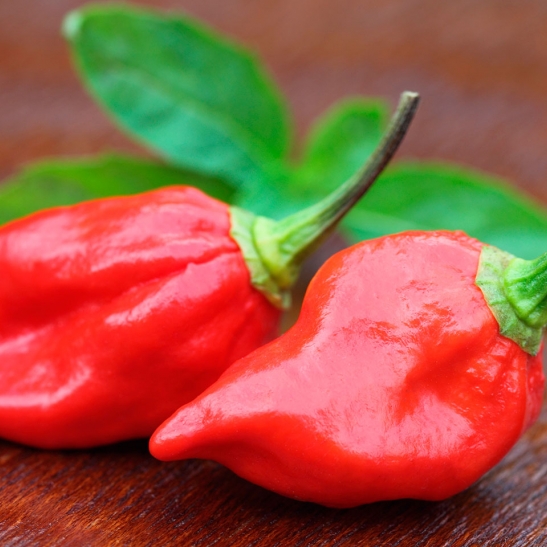
It is a really hot pepper that owes its name to its shape, which resembles the tail of a scorpion.
The colour is red and the shape is a lantern. It is mainly used to prepare oil and very spicy sauces.

AVAILABILITY: Year-round.
STORAGE: Recommended around 10° C.
SPICINESS: 10 out of 10

Turmeric
Turmeric

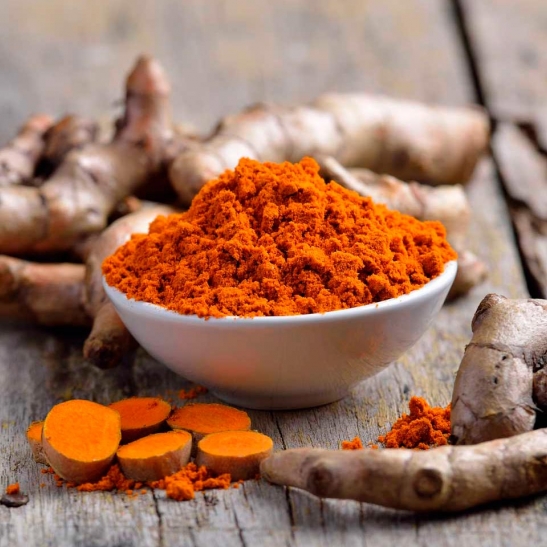
Turmeric has a wonderful spice with a strong flavour that reminds of saffron. The taste is more intense if you choose to buy the fresh product.
Turmeric root has been used since ancient times and was considered a product with magical properties.
You can use it to prepare tea and infusions, to season serving dishes, and as a touch of colour in some sweet recipes.

AVAILABILITY: Year-round.
STORAGE: Recommended between 10 and 12° C.

Cassava
Cassava

Cassava is a typical plant of South America that is used in lots of recipes.
It cannot be eaten raw and the peel must be removed.
Peel it and cook it in water for 30 minutes. Then cut it into strips and fry it in boiling oil.
You will get some exotic French fries!

AVAILABILITY: Year-round.
STORAGE: Recommended around 4° C.

Jerusalem artichoke
Jerusalem artichoke

It is an edible root that has been rediscovered in recent years for the preparation of tasty recipes.
It is appreciated for its pleasant flavour reminiscent of potatoes and artichokes and also because it does not contain starch or gluten.
Try it baked in the oven with a veil of Parmesan, salt, and pepper!

AVAILABILITY: Year-round.
STORAGE: Recommended around 4° C.

Ginger
Ginger

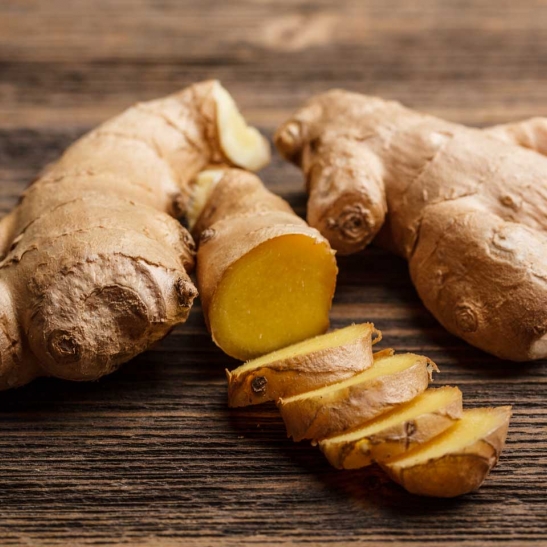
Ginger has countless properties! It can be used as an anti-inflammatory, digestive, and against disorders related to nausea.
In the kitchen, it is excellent as a spice or you can add it to desserts and smoothies.

AVAILABILITY: Year-round.
STORAGE: Recommended between 8 and 12° C.

Salsify
Salsify

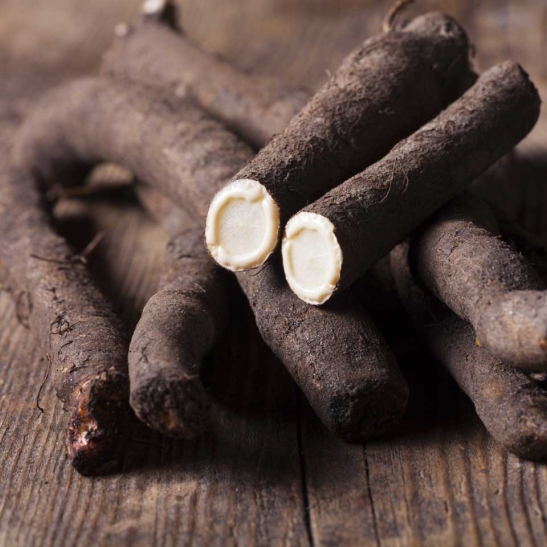
It is a plant that grows spontaneously in northern Italy but it is also cultivated (for example in Piedmont).
In the kitchen, the roots are used because they are low in calories and rich in fiber. Salsify boasts remarkable health properties, which is why it is much more than just a vegetable to put on the table.
Our advice is to savour it plain with extra virgin olive oil, whole sea salt, a few drops of lemon juice, and if you like, ground black pepper.

Galanga
Galanga

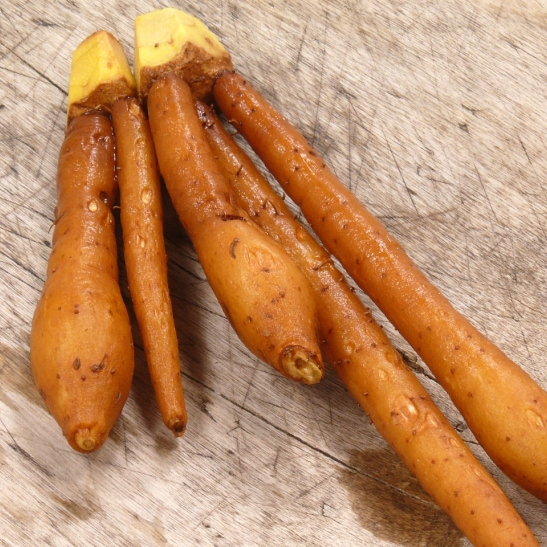
Galangal is a root with a pungent flavour that resembles ginger and is used above all to season savoury dishes and as a base for drinks and natural remedies for purifying the body.

AVAILABILITY: Year-round.
STORAGE: Recommended between 10 and 12° C.

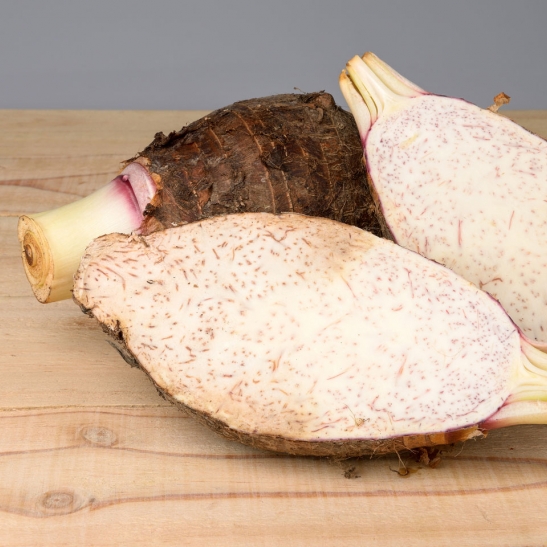
Yam
Yam

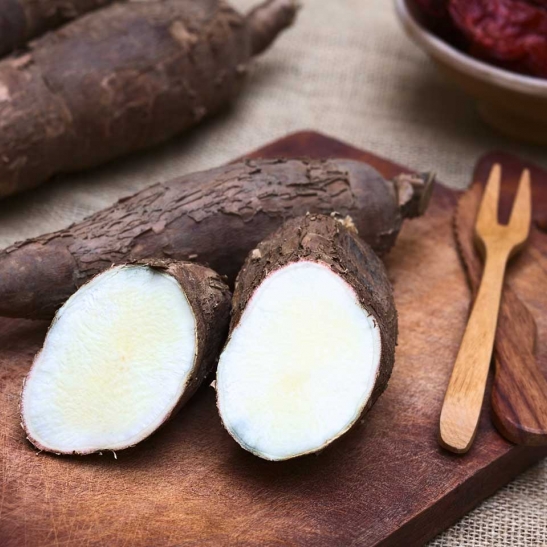
Yams are irregularly shaped root tubers that are pulled out of the ground in every size.
Yam is similar to sweet potato in taste. The skin can go from light to dark brown, with hair-like root shoots.
The consistency is firm with white, yellow, or pink colour.

AVAILABILITY: Year-round.
STORAGE: Recommended around 10° C.

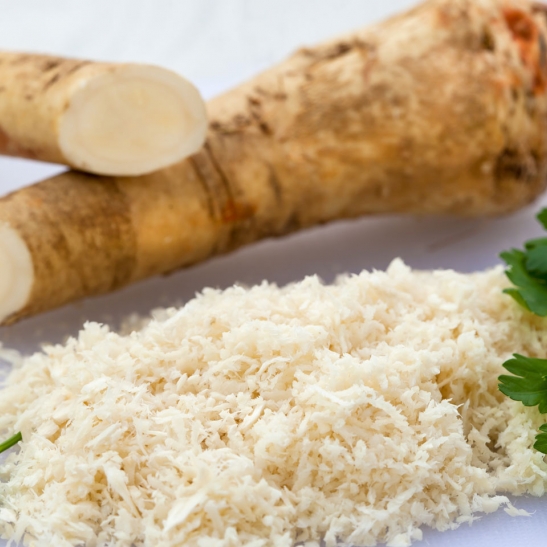
Horseradish
Horseradish

Horseradish is a large white root with a cylindrical shape and a strong, decisive flavor.
You can use it to prepare accompanying sauces for boiled meat, or you can grate it directly on the food.
In the Trieste cuisine, it is combined with cooked ham!

AVAILABILITY: Year-round.
STORAGE: Recommended around 2° C.

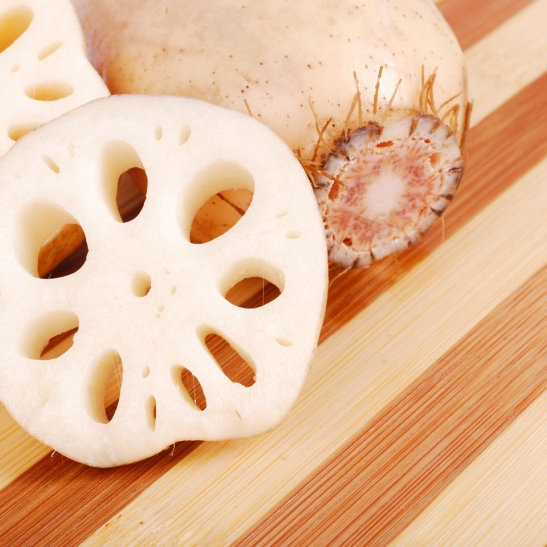
Lotus roots
Lotus roots

The lotus root is the least known part of this wonderful plant. It contains lots of virtues, as well as being excellent in the kitchen.
NOTICE: It must never be raw.

AVAILABILITY: Year-round.
STORAGE: Recommended around 2° C.

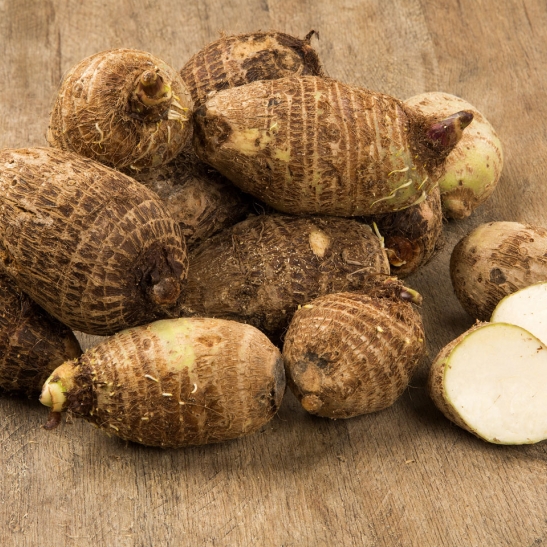
Eddo
Eddo

This potato-like tuber is very rich in iron and calcium.
To consume it is necessary to peel it and cut it into small pieces to cook in the oven, in a pot, or fried.
It is often used in soups to add flavour and texture!

AVAILABILITY: Year-round.
STORAGE: Recommended between 10 and 12° C.

Parsnip
Parsnip

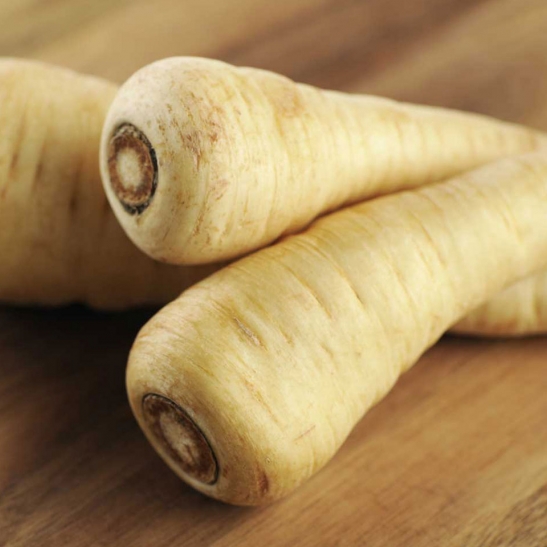
Before the arrival of the potato in Europe, they were a very popular food.
The roots look like large, white-yellow carrots. Parsnips are slightly sweeter than carrots.
If you taste careful, you can even perceive a hint of anise.

AVAILABILITY: Year-round.
STORAGE: Recommended between 2 and 4° C.

Parsley root
Parsley root

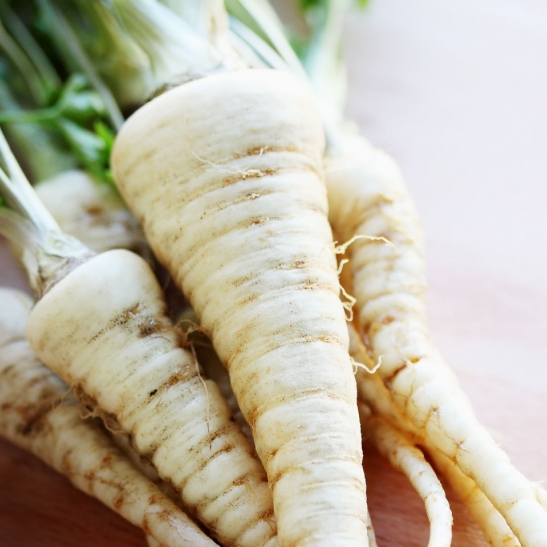
Parsley root is not very common in Italy. Unlike traditional parsley, it is grown only for the root: white and with an elongated shape.
It helps to keep blood sugar levels low and to regulate blood pressure. It is recommended for anaemics as it is very rich in iron.
The flavour is close to that of carrot and it can be used as an ingredient in soups and minestrone or served raw in salads or alone with oil and lemon juice!

Turnip
Turnip

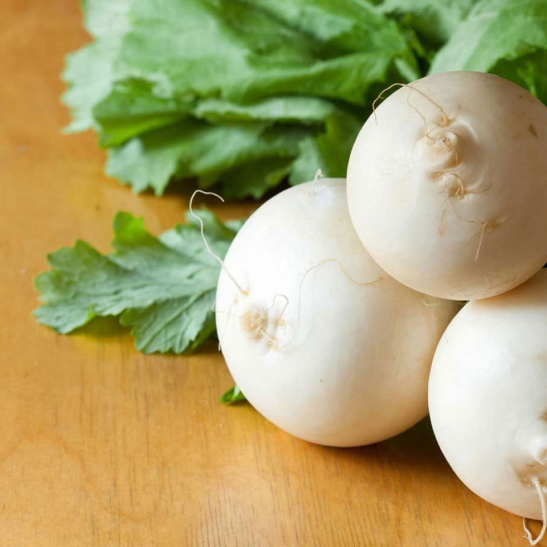
Turnips are tender and sweet, but they can also have a spicy aftertaste. Their flavor can be compared to that of tender radishes.
Like a true spring vegetable, turnips are perfectly paired with other spring vegetables.

AVAILABILITY: Year-round.
STORAGE: Recommended around 4° C.

Banana leaf
Banana leaf

The large green leaves are NOT edible, but they look attractive.
The slightly ribbed, round, or square leaves work well as a natural packaging for a rice dish. They can also be used as a decorative way to serve sushi or sashimi

AVAILABILITY: Year-round.
STORAGE: Recommended between 2 and 4° C.

Goji berries
Goji berries

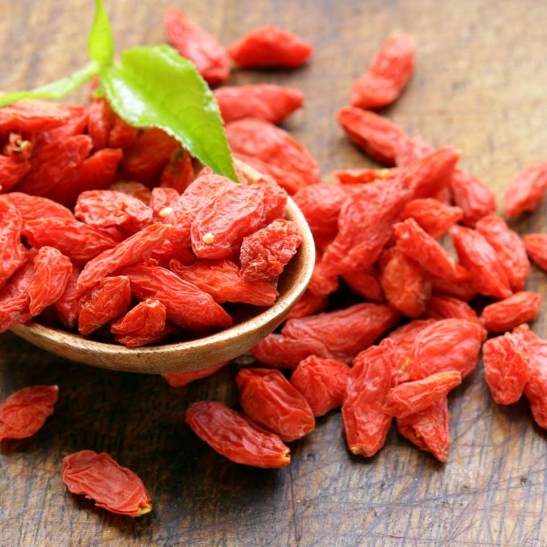
Traditional Chinese medicine gives Goji Berries, also known as fruits of youth, numerous curative and preventive properties.
The fruit is red-orange, slightly elongated. It has a diameter of 1-2 cm and several flattened seeds inside.
This fruit is rich in antioxidants and there is a belief that its consumption preserves health by ensuring a long life.

Date
Date

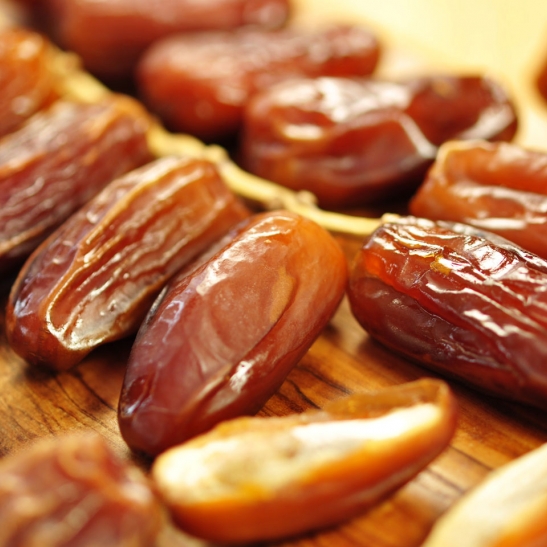
Dates have been considered a fruit of paradise for centuries, miraculous for their numerous nutritional virtues.
Surely given their high caloric intake, you have to be careful not to eat too many, but their sweetness is a whim that is impossible to give up!

AVAILABILITY: Year-round.
STORAGE: Recommended around 2° C.

Kiwi Berry
Kiwi Berry

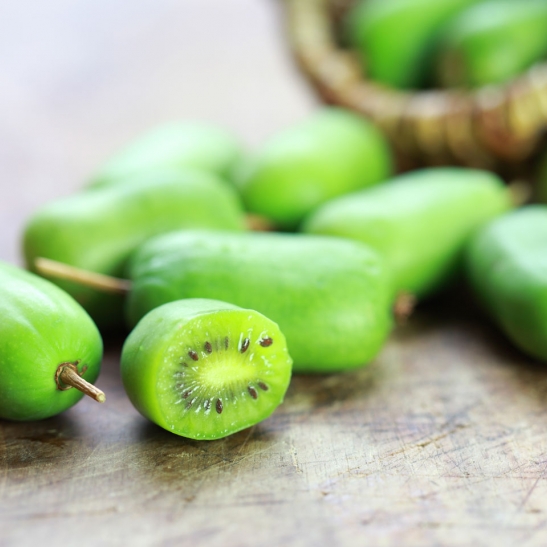
Kiwi berries are grape-sized and resemble a cut kiwi. Unlike kiwis, the skin of kiwi berries is not fuzzy. Kiwi berries are green to brown in colour, with a bright green inside.
Enthusiasts will find the flavour wonderfully sweet and aromatic.

AVAILABILITY: February, March, August and September.
STORAGE: Recommended between 2 and 8° C.

Guava
Guava

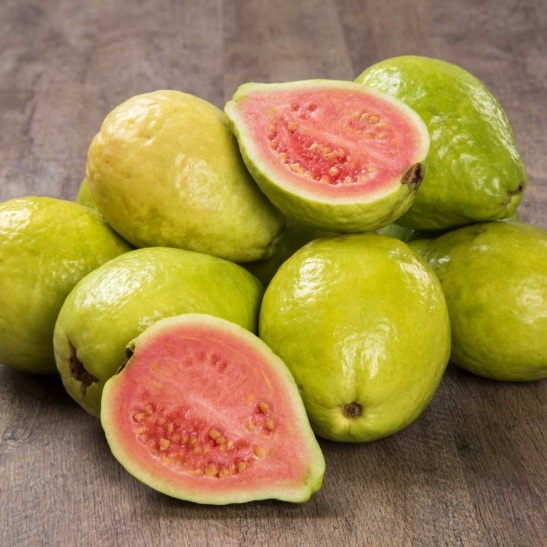
Excellent to eat with a spoon or to squeeze to enjoy a sweet and refreshing juice.
The peel can also be eaten without problems.

AVAILABILITY: Year-round
STORAGE: Recommended around 10° C.

Naranjilla
Naranjilla

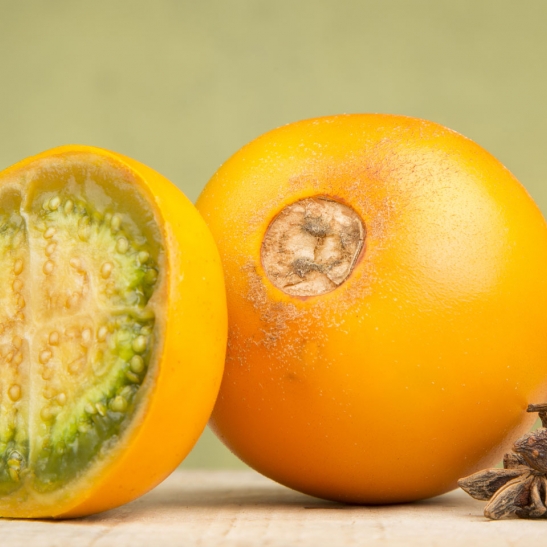
This curious fruit, typical of South America, is called Lulo or Naranjilla.
It has a green pulp rich in juice but with a characteristic sour taste.
The fruit is mainly used to produce sweetened fruit juices.
Excellent as an ingredient for a fruit salad, a smoothie or simply to be eaten raw, after peeling it.

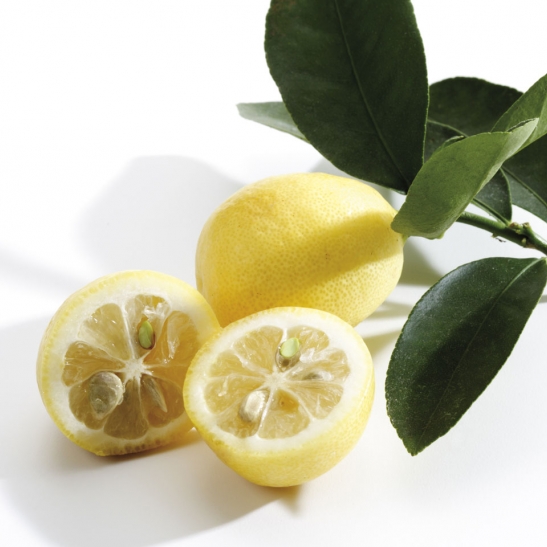
Limequats
Limequats

They are among the smallest citrus varieties. Each fruit measures only 3-4 cm.
The pulp inside is yellow. The limequat seeds are edible, so the fruit can be eaten whole

AVAILABILITY: From August to December
STORAGE: Recommended around 10° C.

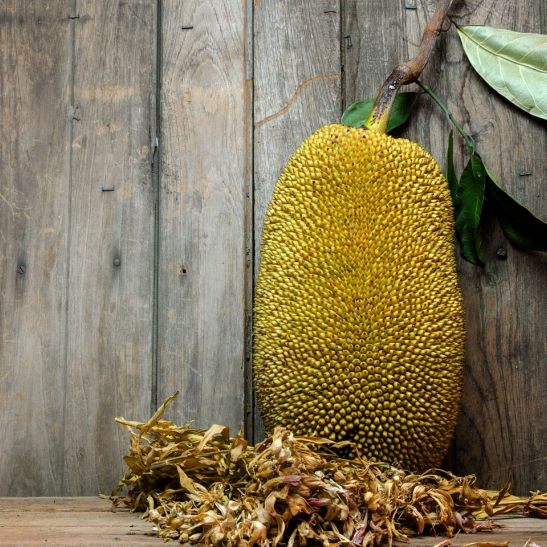
Jackfruit
Jackfruit

Thanks to the very high amount of nutrients it contains, it is part of the superfood category.
A chest with a fleshy pulp rich in vitamin C: its heart is made up of numerous orange or yellow fruits, whose seeds are a source of protein and potassium, calcium, and iron.
It is a fruit of truly enormous dimensions: in the largest specimens, it can contain up to 500 bulbs of pulp, in short, so much food to feed an entire family.

AVAILABILITY: Year-round
STORAGE: Recommended around 10° C.

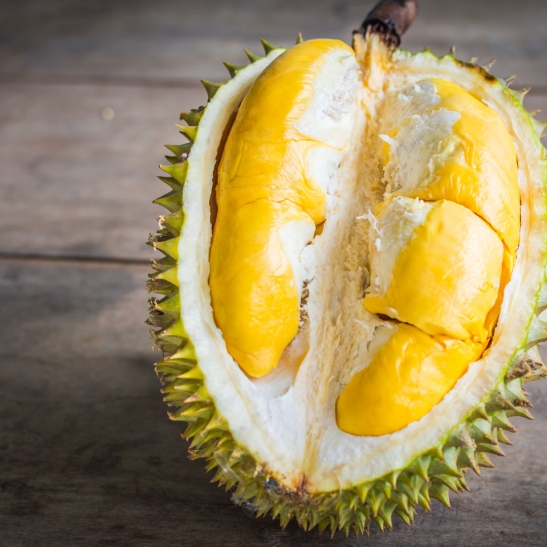
Durian
Durian

Durian is a large oval fruit with incredibly thorny skin.
Outside its place of origin, it is known above all for its particular strong and penetrating smell.
But don't be discouraged: inside it contains a soft, sweet, and creamy pulp, a real delicacy!

AVAILABILITY: Year-round
STORAGE: Recommended around 10° C.

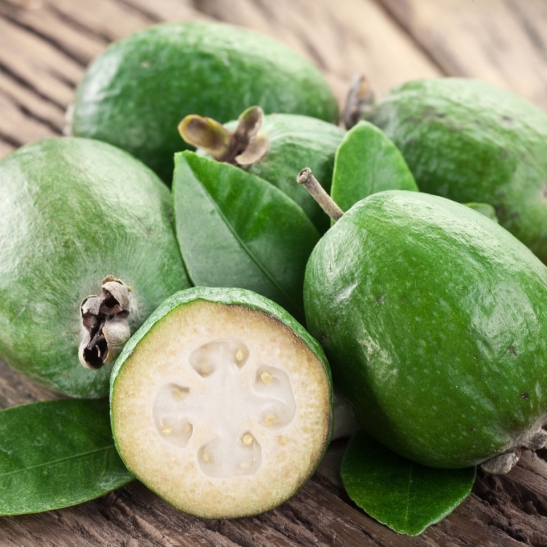
Feijoa
Feijoa

Feijoa is a tasty small tropical fruit. It has green skin and white pulp with an intense aroma, its flavour is sweet and sour and it is often described as a mix between pineapple and strawberry flavours.
It is great to eat it fresh with a teaspoon, while it is incredibly refreshing left to infuse with water and lemon.

Guanabana
Guanabana

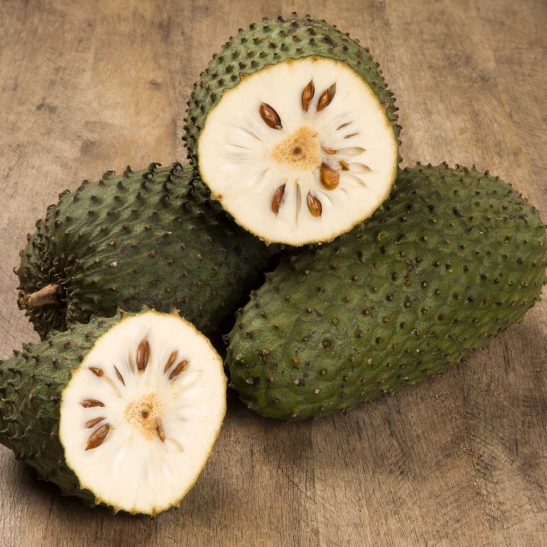
The Guanabana outer skin is green but it has a sweet and creamy white pulp, perfect for making desserts and smoothies.
It is a large fruit that can reach 30 cm. You will not be able to miss it!

AVAILABILITY: Year-round
STORAGE: Recommended around 10° C.

Cherimoya
Cherimoya

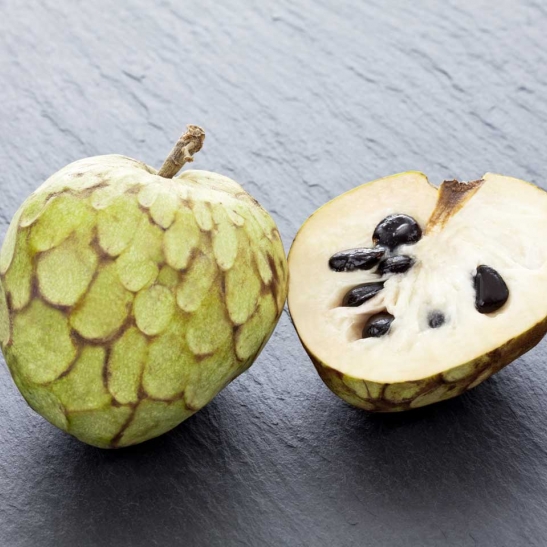
Exotic and fragrant, it contains a tasty pulp with a sweet flavour.
It can be enjoyed alone or in addition to other fruits in a fruit salad. It is also well suited for the preparation of smoothies and slushes.

Mamey sapote
Mamey sapote

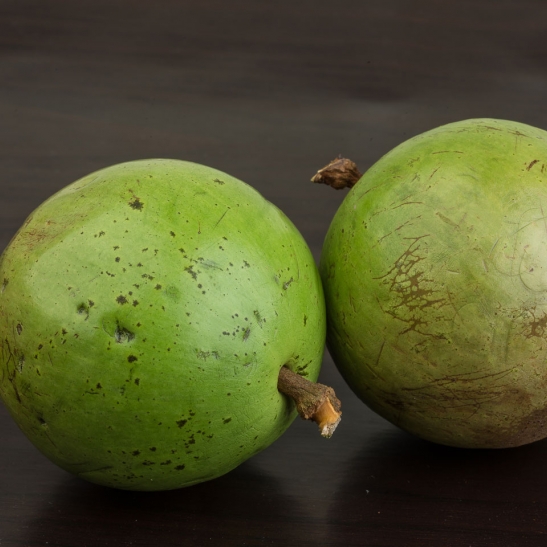
This fruit is rare since it is not easy to find.
The plant produces medium-sized fruits similar to green apples that turn yellow when fully ripe.
The peel is not edible, and the sweet pulp can recall the red banana with hints of vanilla. Its texture, when fully ripe, is reminiscent of that of avocado, and its colour is white or creamy yellow. The seeds have narcotic properties.

Salak
Salak

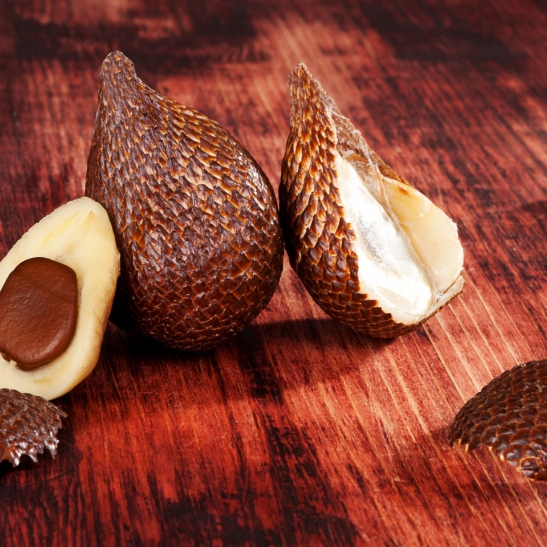
Also known as Snake Fruit, it is characterized by a teardrop shape and a thick outer skin of shades between brown and reddish, reminiscent of snake scales.
For those who taste it for the first time, the taste of this curious tropical fruit may recall a mix of pineapple, honey, citrus with a flavour that is halfway between sweet and sour.

AVAILABILITY: Year-round
STORAGE: Recommended between 10 and 12° C.

Pepino
Pepino

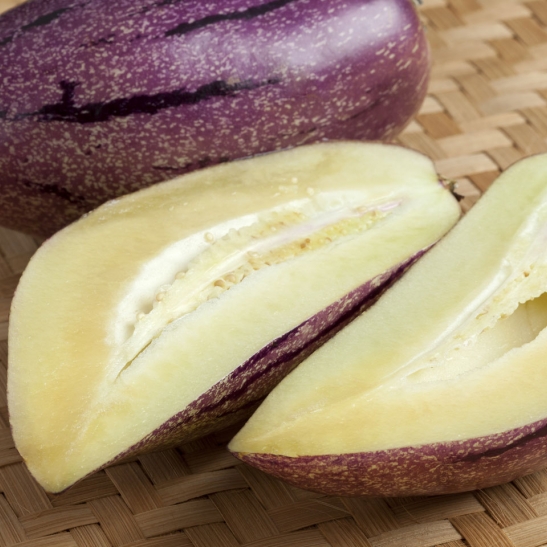
Originally from the Andes, it is a fruit with a delicate flavour.
The shape is oval and, in terms of appearance, it resembles a melon but is made unmistakable by the smooth skin with purple streaks on a yellow-orange base.
Once opened, it has a compact pulp with a lively light-yellow colour.
The seeds are completely edible: try them roasted in a pan!

AVAILABILITY: Year-round
STORAGE: Recommended between 10 and 12° C.

Tamarind
Tamarind

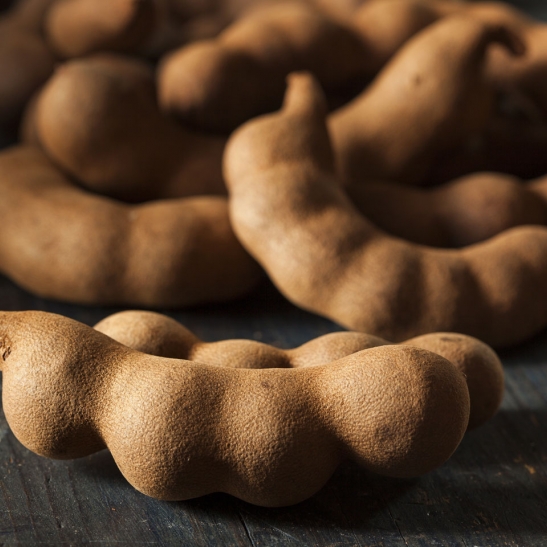
The fruit of this tree is a legume: a pod about 10 cm long, light brown or green.
Rich in mineral salts, vitamins, and fibers, tamarind helps to regulate blood pressure and to keep cholesterol under control. With its pulp creams, you can make sauces and syrups!

AVAILABILITY: Year-round
STORAGE: Recommended between 10 and 12° C.

Citrus Medica
Citrus Medica

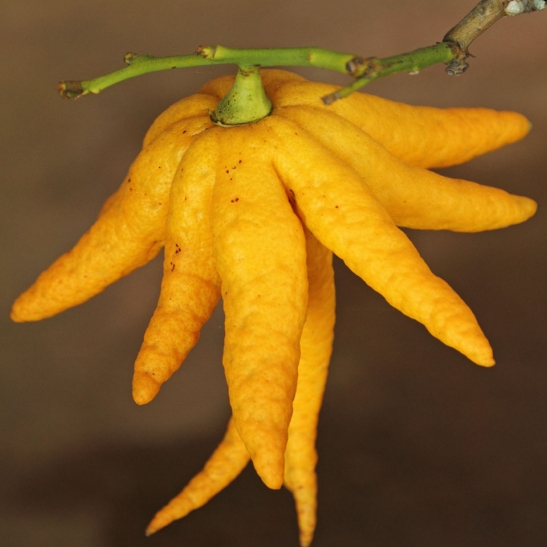
It is a curious citrus, a variety of cedar with particular segments.
Its peel is often left to ferment or candied. It is also used for the preparation of liqueurs!

AVAILABILITY: Year-round
STORAGE: Recommended around 10° C.

Green asparagus
Green asparagus

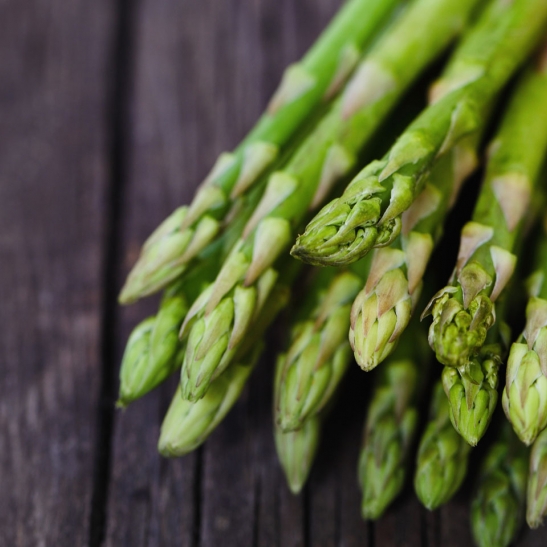
The Peruvian green asparagus is characterized by its tender texture, which allows it to be eaten without being peeled, making preparation faster.
The taste is typically intense, which differs from the delicate one of white.
You can prepare the green asparagus in combination with strong flavours that will enhance it.

AVAILABILITY: Year-round
STORAGE: Recommended around 2° C.

White asparagus
White asparagus

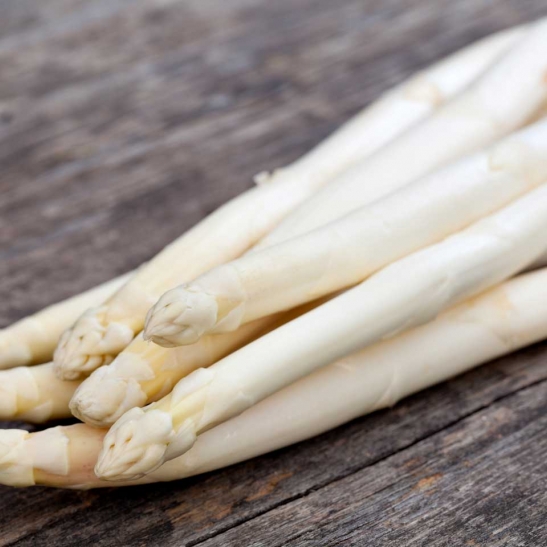
It is a very used product for dishes. You can accompany it with eggs, use it in risottos or tasty savoury pies.
This product of ours is available throughout the year, as we buy it from Peru!

AVAILABILITY: Year-round
STORAGE: Recommended around 2° C.

Mini Vegetables
Mini Vegetables

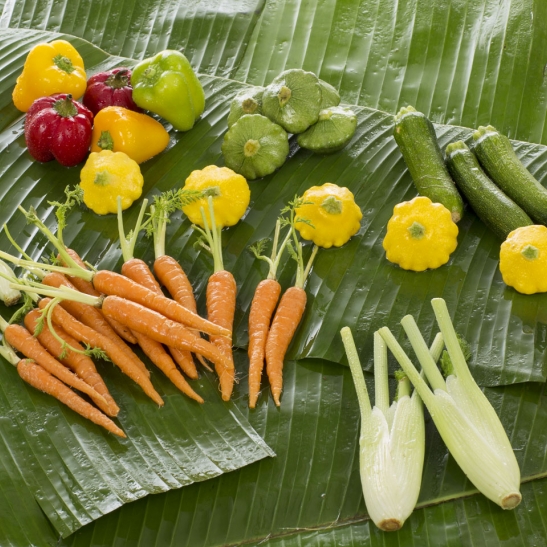
Mini Vegetables are so tiny but so rich in taste.
Be surprised and surprise others too by serving them!

AVAILABILITY: Year-round
STORAGE: Recommended between 4 and 8° C.

Edible flowers
Edible flowers

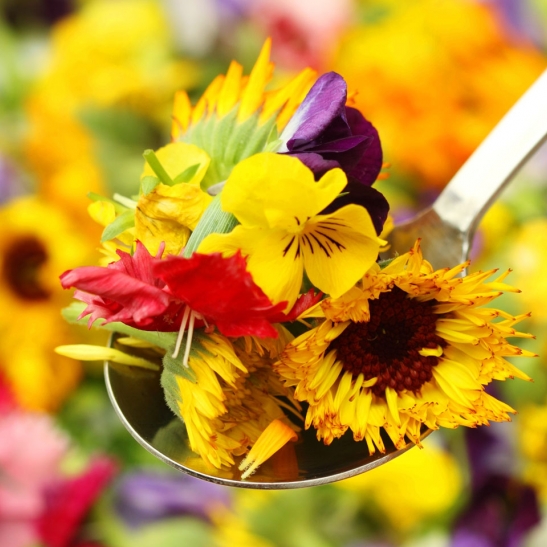
In addition to the traditional courgette flowers, which are among the most consumed, there ame many others that can be eaten.
They are called edible flowers and are widely used in restaurant kitchens for floral arrangements that go beyond aesthetics!

AVAILABILITY: Year-round
STORAGE: Recommended between 2 and 4° C.

Watermelon
Watermelon

Watermelon is a red pulp fruit made up of over 90% water. For this reason, it is a nice ally against the heat in summer!
Thirst-quenching, refreshing and with a sweet flavour, it has a very low- calorie intake.
You can enjoy it alone, in large fruit salads, or you can indulge yourself by creating imaginative fruit cocktails with lemon juice, fresh mint, brown sugar and vodka for those who want it!
Melon
Melon

Juicy and refreshing, melon is the fruit of summer!
Rich in water and readily assimilated sugars, melon hydrates, quenches thirst and gives energy without weighing you down.
It is used in many recipes, from the most traditional such as desserts and ice creams to the most particular to accompany white meat.

Yellow melon
Yellow melon

Sweet and juicy, the yellow melon is an ally of our health.
With its white pulp with yellowish shades, thirst-quenching, it offers a valid relief from the summer heat. Potassium gives energy to the body and makes you forget tiredness. It is also rich in vitamins A and C, powerful natural antioxidants.
To enjoy a refreshing drink, we recommend extracting the melon juice with lemon and a mint leaf!

Coconut
Coconut

With an unmistakable taste and very rich in nutrients, coconut is an essential fruit!
It reminds us of the sea, the beach and makes us want to go on vacation.
Its uses are innumerable: pulp, water, leaves and peel are used to cooking cosmetics ... it really is the tree of life!

AVAILABILITY: Year-round.
STORAGE: Recommended temperature between 5 and 15° C.

Pineapple
Pineapple

Pineapple is an incredible fruit, used in many ways in the kitchen: the stem is used for anti-inflammatory and digestive purposes while the leaves are used to produce ropes and fabrics.
The degreasing and refreshing properties make it a valid ingredient in recipes that include meat, fish and vegetables.
Pineapple is also a good source of vitamins and salts such as iron, potassium, calcium, phosphorus and is very rich in bromelain.

AVAILABILITY: Year-round.
STORAGE: Recommended temperature between 8 and 10° C.

Baby pineapple
Baby pineapple

Baby pineapples have a lot in common with the usual pineapples.
The small version is similar in appearance and tastes the same. The pulp is soft and always sweet.

AVAILABILITY: Year-round.
STORAGE: Recommended temperature between 8 and 10° C.

Plantains
Plantains

Plantains are the member of the banana family that cannot be eaten raw.
They can be cooked in a pan, fried or grilled.
The fruit is characterized by its high starch content. The delicious sweet flavour that plantains are so famous for, only comes out after cooking.

AVAILABILITY: Year-round.
STORAGE: Recommended temperature between 10 and 12° C.

Mini bananas
Mini bananas

Consumers or restaurant guests who are used to regular bananas will be pleasantly surprised at the sight of the mini bananas.
A real banana in appearance and a real eye-catcher in size. Mini bananas are only 6 to 8 centimetres long.
They are delicious and sweet. Their thinner peel makes this banana variety easier to peel.

AVAILABILITY: Year-round.
STORAGE: Recommended temperature between 10 and 13° C.

Sharon
Sharon

Sharon is a different type of persimmon from the one we are used to: the fruit is larger and has a firmer pulp.
The flavour is exquisite and sugary, similar to that of apricot.

AVAILABILITY: Year-round.
STORAGE: Recommended temperature between 2°C.

Carambola
Carambola

Carambola is a particular fruit, known by the name of star fruit due to the characteristic star shape that the slices take once cut!
It is often used to decorate cakes and cocktails but you can also use it as a juice for exotic drinks: it has a high concentration of vitamin C.
The starfruit can be eaten whole, including peel and seeds.

AVAILABILITY: Year-round.
STORAGE: Recommended temperature between 7 and 10° C.

Avocado
Avocado

Avocado is a good fruit both to eat raw and to use in combination with other ingredients to prepare delicious recipes. The important thing is that it is ready to eat! Look for the Garden Frutta production from your trusted retailer: you can find avocado ready to eat (we also write it on the label!) Or unripe, to ripen at home. It only takes a few days at room temperature, even better next to other fruit, and you can enjoy it!

AVAILABILITY: Year-round.
STORAGE: Recommended temperature around 5° C.

Mango
Mango

Mango is a very popular fruit, now widespread and also consumed in our country.
The taste is sweet and very sugary, with fruity hints reminiscent of peach, pineapple and orange.
Unlike many fruits, the colour of the mango peel does not indicate the degree of ripeness: if it is soft to the touch, it is ready to be consumed!

AVAILABILITY: Year-round.
STORAGE: Recommended temperature between 8 and 10° C.

Papaya
Papaya

Papaya is a sweet and aromatic fruit that conquers from the first bite.
It is generally eaten raw, peeled and seedless. It is excellent on its own or in smoothies, fruit salads and with cereals and yogurt, perfect for a healthy and tasty snack!
Papaya seeds are edible, they can be ground and used as a substitute for pepper or mixed in salad dressings.

AVAILABILITY: Year-round.
STORAGE: Recommended temperature around 10° C.

Formosa papaya
Formosa papaya

Formosa papaya is one of the largest papaya varieties, with its weight up to 3 kg.
The pulp is orange with small black seeds in the centre. The flavour is sweet and aromatic.
La Formosa stands out for its delicate scent. The peel skin is greenish-yellow.

AVAILABILITY: Year-round.
STORAGE: Recommended temperature around 10° C.

Maracuja
Maracuja

Maracuja belongs to the passion fruit family.
Inside it, you will find the yellow-orange pulp, rich in small edible seeds. The taste is sweet and sour.
When the passion fruit is ripe, the skin becomes wrinkled and the association with rotten fruit is easy to do. But in reality, a ripe maracuja is not only a delicacy, it also contains important nutrients.

AVAILABILITY: Year-round.
STORAGE: Recommended temperature around 10° C.

Passion fruit
Passion fruit

Passion fruit is delicious to eat on its own: simply open it in two and taste the jelly-like pulp with a teaspoon.
It is also used for the preparation of many juices, cocktails and drinks.
We like to use the juice of this incredible fruit to season the fruit salad and give it a real exotic touch!
When the peel becomes slightly soft to the touch, it is the perfect time to consume it.

AVAILABILITY: Year-round.
STORAGE: Recommended temperature around 10° C.

Tamarillo
Tamarillo

Tamarillos are also known as tree tomatoes. This nickname is no coincidence: their red colour and oval shape are reminiscent of a tomato.
Both are also part of the same family of crops, native to the Andes. This makes the tamarillo technically a fruit vegetable.
Inside, the tamarillo is orange, with small (edible) seeds in the pulp. The flavour is sweet and intense, but avoid the bitter peel which doesn't taste very pleasant.

AVAILABILITY: Year-round.
STORAGE: Recommended temperature around 10° C.

Granadilla
Granadilla

Granadilla, what goodness!
We advise you to cut it into two parts and collect the pulp with a spoon: the sweet and sour taste will win you over!
Granadilla is also an amazing ingredient for exotic smoothies and cocktails.

AVAILABILITY: Year-round.
STORAGE: Recommended temperature around 10° C.

Dragon fruit
Dragon fruit

Pitaya is a sweet exotic fruit typical of Central America.
The fantastic flavour and the colourful peel contain a concentrate of benefits for the body.
Tasting it is very simple: it can be sliced, peeled or cut in half and eaten with a spoon!

AVAILABILITY: Year-round.
STORAGE: Recommended temperature between 6 and 10° C.

Yellow dragon fruit
Yellow dragon fruit

The yellow dragon fruit is a fruit with a sweet and aromatic flavour.
It has white and creamy pulp with black dots similar to those of kiwi and the taste is reminiscent of that of melon.

AVAILABILITY: Year-round.
STORAGE: Recommended temperature around 10° C.

Kiwano
Kiwano

Kiwano melon, as the stories tell, owes its name to the resemblance to the more common kiwi.
It has a slightly intense, watery flavour, reminiscent of cucumber and vaguely banana, although it has a slightly sweet and sour aftertaste.
Hard to describe!

AVAILABILITY: Year-round.
STORAGE: Recommended around 18° C.

Pomegranate
Pomegranate

This wonderful fruit hides its true magic inside, in the myriad of red beans that make up its pulp!
Depending on its size, the Pomegranate Garden Fruit can be enjoyed in different ways: the smaller sized fruit is usually used to be squeezed and drunk as a juice; the fruit with the largest caliber is suitable for being shelled and eaten naturally.
A real cure-all for health!

AVAILABILITY: Year-round.
STORAGE: Recommended between 6 and 8° C.

Fig
Fig

Figs: very sweet and full of energy!
This fruit can be used to prepare delicious jams and cakes, as well as the more particular applications in risottos and with meats and cured meats.

AVAILABILITY: Year-round.
STORAGE: Recommended between 2 and 5° C.

Physalis
Physalis

Called groundcherry or physalis, this little orange berry is beloved in cooking and pastry.
The fruit grows in a beautiful bell-shaped veined chalice, it is fragrant and has a particular, slightly bitter flavour.
It is ideal for making jams and jellies and is perfect with chocolate.

AVAILABILITY: Year-round.
STORAGE: Recommended between 8 and 10° C.

Rambutan
Rambutan

It resembles the more famous Lychee and is eaten fresh after the outer skin is removed.
In Asia, it is often used for the production of rice and fruit-based desserts!

AVAILABILITY: Year-round.
STORAGE: Recommended between 6 and 8° C.

Litchi
Litchi

Such a wonderfully fragrant white pulp, like a fresh rose!
Lychee is used for the preparation of tasty desserts and smoothies, but also in cocktails or savoury dishes.
It is a perfect accompaniment to fish; the only care is to combine it with slightly sour flavours to balance the sweetness of the fruit.

AVAILABILITY: January and from July to December
STORAGE: Recommended around 2° C.

Mangosteen
Mangosteen

The dark colour of the peel hides delicious wedges with a delicate and slightly bittersweet flavor.
Vaguely reminiscent of lychee, but it's tastier!

AVAILABILITY: Year-round.
STORAGE: Recommended between 6 and 12° C.

Kumquat
Kumquat

Kumquat, also known as Chinese Mandarin, is an oval citrus fruit of about 3-4 cm.
This fruit must be washed well because you have to eat it with all the peel and it is in the peel that the sweetness is concentrated!
A fresh taste, with a sour and sweet flavour at the same time, similar to orange.

AVAILABILITY: Year-round.
STORAGE: Recommended between 8 and 10° C.

Lime
Lime

The round fruit with a diameter of about 6 centimetres can be recognized by its dark green colour and thick skin.
Limes are slightly smaller than lemons and also a little less acidic.
Not only is the light green pulp tasty, but limes also stand out for their aromatic scent.

AVAILABILITY: Year-round.
STORAGE: Recommended between 6 and 10° C.

Pomelo
Pomelo

It is the largest citrus fruit in nature, a truly incredible fruit with a taste similar to an orange.
Great to be consumed fresh, to prepare cocktails and to accompany beautiful summer salads!
The peel is often used to flavour the most varied recipes.

Purple potato
Purple potato

Purple potatoes are very little known. They are tubers that, in addition to being original in colour, are also extraordinary and unique in flavour, as they are close to that of chestnuts.
This potato lends itself to different combinations guaranteeing a unique chromatic effect. With the purple potato, you can make everything from the first course to the desserts: everything is possible.

Sweet potato
Sweet potato

Garden Frutta sweet potatoes, which today arrive in our kitchens from the United States, can be recognized by their orange colour.
They can be baked, boiled or even fried! This nice potato is very versatile and allows you to create delicious savoury or pastry dishes.
They are a superfood that nutritionists recommend in different diets.

Ratte potato
Ratte potato

Ratte potatoes are a particular type of yellow-fleshed potato, elongated in shape, and with a flavour similar to that of chestnuts.
The skin of these potatoes is very thin and delicate. It can be removed very easily by rubbing it with your fingers, but you can also eat it.
Like common potatoes, they can be eaten boiled or baked. They handle cooking very well and can be used to prepare excellent gnocchi or mashed potatoes.

Yellow carrot
Yellow carrot

Carrots are known for their high content of nutrients, especially those that are good for the eyes.
This also applies to yellow carrots, which are rich in one of these substances: lutein.
The root vegetable that grows underground is also popular for its flavour: slightly sweet, slightly less than the purple variety.
Carrots have a bright yellow colour and a crunchy bite.

AVAILABILITY: Year-round.
STORAGE: Recommended between 2 and 4° C.

Purple carrot
Purple carrot

The purple carrot is less known today. It combines the typical nutritional properties of the classic carrot with a significant number of flavonoids and carotenoids, which help fight cellular aging.
Try them baked in the oven for an appetizer or a different side dish!

AVAILABILITY: Year-round.
STORAGE: Recommended between 2 and 4° C.

Yellow courgette
Yellow courgette

Yellow courgettes are a delicious vegetable, very similar to the green ones.
The delicate flavour and very high digestibility are the secrets and added values of yellow zucchini, which have a taste very similar to pumpkin.
In the kitchen, the uses are varied, exactly the same as green zucchini, they can be cooked in a sautéed pan, but also stuffed in the oven or marinated, to be enjoyed both raw and cooked.
Yellow courgette is also perfect for risotto and omelettes, but also as a condiment for simple pasta.

Green bean
Green bean

These long green beans originate in France.
Thin beans have a lot in common with regular beans, although the shape is usually much straighter.
The main difference lies in the slightly more intense and refined taste.

AVAILABILITY: Year-round.
STORAGE: Recommended between 6 and 8° C.

Mangiatutto
Mangiatutto

Mangiatutto are also known by the name of Taccole and is the fruit of some herbaceous plants originating in the Mediterranean countries.
If you don't know them, they come in a wide, slightly flattened shape and have a delicate and slightly sweet flavour.
From a nutritional point of view, they contain good amounts of vegetable proteins and starches, and vitamins A, B, C, and E.
They also contain folic acid, very important for pregnant women, and mineral salts such as phosphorus, potassium, and iron.

Okra
Okra

Their shape alone is reminiscent of a truly exotic vegetable. Okra looks like a cross between a courgette and a chili (green), about 5-10 centimetres long with vertical ribbed stripes.
They are seeded pods sourced from a tropical herb.
With its slightly savoury flavour, okra is no different from green beans. When you cooked them longer, the texture becomes a little mucous. They are also great for thickening soups and other dishes.

AVAILABILITY: Year-round.
STORAGE: Recommended around 6° C.

Chayotte
Chayotte

Firstly, vegetables are not the first association that comes to mind. Its appearance is more of a mix of a pear and an apple, with deep folds.
The bite of chayote is firm, like an apple. In terms of taste, it is a combination of melon and cucumber.
The softcore that is inside is edible.

AVAILABILITY: Year-round.
STORAGE: Recommended around 12° C.

Sugar cane
Sugar cane

Sugar cane looks more like bamboo. Exotic stems are responsible for three-quarters of the world's (cane) sugar production.
The Chinese and Indians already knew 25 centuries ago that the juice of this plant is wonderfully sweet.
The stems are white-green, with long fibers.

AVAILABILITY: Year-round.
STORAGE: Recommended between 6 and 8° C.

Rhubarb
Rhubarb

Rhubarb is an ancient vegetable originating from China, which is used in many ways: especially for candies, liqueurs, jams and various sweets.
Its flavour will be the secret ingredient of your preparations!
Do you want to try it? Add it to the jam ingredients in your fruit tart recipe!

Lemon Grass
Lemon Grass

Lemongrass or Citronella is a plant often used in Asian recipes: it gives a pinch of flavour and aroma to dishes, thanks to the biting taste similar to lemon.
Excellent for preparing fish-based dishes, to marinate or cook in foil. Used in cold dishes, it refreshes and lightens, while in hot ones, it stimulates digestion.

AVAILABILITY: Year-round.
STORAGE: Recommended between 2 and 6° C.

Corn
Corn

It is a vegetable that looks like ordinary corn, but in reality, it's a bit different.
As soon as they are harvested, the cobs begin to transform their starch into sugars, so the taste is sweet.
You can recognize the cobs by their intense yellow colour and white skin.

AVAILABILITY: Year-round.
STORAGE: Recommended around 3° C.

Lentinula Edodes (Shiitake)

Among the Asian varieties of mushrooms, one of the most popular is shiitake.
Originally from Japan, it is excellent raw in salads with thyme, pink salt, linseed oil, and soy sauce, while stewed remains a tasty side dish.
A precaution: it is good to use a pan with a lid because they dehydrate easily. We recommend gentle steam cooking.

Enokitake (Enoki)
Enokitake (Enoki)

Enoki mushrooms are characterized by a whitish colour and long and very thin stems.
Their flavour is delicate and slightly sweet. It is important to remember they are pleasantly crunchy in the mouth.
Ideal for preparing tasty soups, enoki mushrooms are health concentrates as they have antiviral and antibacterial properties.
Furthermore, it should be remembered their preventive efficacy on the most serious senile diseases such as Alzheimer's, thanks to the presence of beta-d-glucan, an antigen typical of different types of fungi.

Cayenne Pepper
Cayenne Pepper

Cayenne pepper is popular with consumers who are looking for a more delicate taste. Pepper is also often used in powder form.
Cayenne pepper is long and shiny, and the longer ones become slightly curved. The pepper can be red, yellow, or green.

AVAILABILITY: Year-round.
STORAGE: Recommended between 10 and 12° C.
SPICINESS: 7 out of 10

Serrano pepper
Serrano pepper

If you are a fan of Jalapeños and are looking to take the next leap on the spiciness scale, then the next step will be the Serrano pepper.
Serrano has a light but recognizable flavor, a moderate spiciness but extremely fast to arrive in the mouth.

SPICINESS: 5 out of 10

Padrón
Padrón

They are typical products of Galicia, Spain, which is why they are also known as the chili peppers of the Camino de Santiago!
They can also be eaten raw but the version that includes them fried in oil and served sprinkled with coarse salt, excellent to accompany an aperitif, is widespread!

AVAILABILITY: Year-round.
STORAGE: Recommended between 10° C.
SPICINESS: 1 out of 10

Poblano chilli
Poblano chilli

Their size and girth give the Poblano the appearance of sweet pepper.
The subtle and slightly spicy taste is also reminiscent of sweet peppers.
Officially, this pepper is known by two names: fresh like Poblano, dried like Ancho.

AVAILABILITY: Year-round.
STORAGE: Recommended between 8° C.
SPICINESS: 2 out of 10

Jalapeño
Jalapeño

Jalapeño is one of the peppers we would call mild.
Because it is slightly less spicy, Jalapeño lends itself to being used whole or half in some recipes.
Jalapeño is most commonly sold in red and green. The peppers are 4 to 7 centimetres long, with glossy skin and the shape of a cone. Incidentally, Jalapeño loses some of its spiciness when the seeds and membranes are removed.

AVAILABILITY: Year-round.
STORAGE: Recommended between 10° C.
SPICINESS: 4 out of 10

Habanero
Habanero

Habanero peppers are quite popular; their unmistakable flavour is a must for those who are passionate.
The time wasters abstain. Their spiciness is no joke!

AVAILABILITY: Year-round.
STORAGE: Recommended between 6 and 10° C.
SPICINESS: 9 out of 10

Rawit chili
Rawit chili

Proceed with caution when cooking with rawit.
It is the favourite pepper of Thai and Indonesian chefs and home cooks.
The shape of the pepper is small and elongated. The skin appears waxy and has a bright red or green colour.

AVAILABILITY: Year-round.
STORAGE: Recommended around 10° C.
SPICINESS: 8 out of 10

Naga Jolokia
Naga Jolokia

Until 2007, Naga Jolokia had the honour of being the hottest pepper in the world.
It would not seem harmless from this pepper; its dimensions are modest, from 5 to 8 centimetres in length and from 2 to 3 centimetres in diameter.
The skin is slightly wrinkled and the shape looks more like a miniature sweet pepper.

AVAILABILITY: Year-round.
STORAGE: Recommended between 10 and 12° C.
SPICINESS: 10 out of 10

Trinidad scorpion
Trinidad scorpion

It is a really hot pepper that owes its name to its shape, which resembles the tail of a scorpion.
The colour is red and the shape is a lantern. It is mainly used to prepare oil and very spicy sauces.

AVAILABILITY: Year-round.
STORAGE: Recommended around 10° C.
SPICINESS: 10 out of 10

Turmeric
Turmeric

Turmeric has a wonderful spice with a strong flavour that reminds of saffron. The taste is more intense if you choose to buy the fresh product.
Turmeric root has been used since ancient times and was considered a product with magical properties.
You can use it to prepare tea and infusions, to season serving dishes, and as a touch of colour in some sweet recipes.

AVAILABILITY: Year-round.
STORAGE: Recommended between 10 and 12° C.

Cassava
Cassava

Cassava is a typical plant of South America that is used in lots of recipes.
It cannot be eaten raw and the peel must be removed.
Peel it and cook it in water for 30 minutes. Then cut it into strips and fry it in boiling oil.
You will get some exotic French fries!

AVAILABILITY: Year-round.
STORAGE: Recommended around 4° C.

Jerusalem artichoke
Jerusalem artichoke

It is an edible root that has been rediscovered in recent years for the preparation of tasty recipes.
It is appreciated for its pleasant flavour reminiscent of potatoes and artichokes and also because it does not contain starch or gluten.
Try it baked in the oven with a veil of Parmesan, salt, and pepper!

AVAILABILITY: Year-round.
STORAGE: Recommended around 4° C.

Ginger
Ginger

Ginger has countless properties! It can be used as an anti-inflammatory, digestive, and against disorders related to nausea.
In the kitchen, it is excellent as a spice or you can add it to desserts and smoothies.

AVAILABILITY: Year-round.
STORAGE: Recommended between 8 and 12° C.

Salsify
Salsify

It is a plant that grows spontaneously in northern Italy but it is also cultivated (for example in Piedmont).
In the kitchen, the roots are used because they are low in calories and rich in fiber. Salsify boasts remarkable health properties, which is why it is much more than just a vegetable to put on the table.
Our advice is to savour it plain with extra virgin olive oil, whole sea salt, a few drops of lemon juice, and if you like, ground black pepper.

Galanga
Galanga

Galangal is a root with a pungent flavour that resembles ginger and is used above all to season savoury dishes and as a base for drinks and natural remedies for purifying the body.

AVAILABILITY: Year-round.
STORAGE: Recommended between 10 and 12° C.

Yam
Yam

Yams are irregularly shaped root tubers that are pulled out of the ground in every size.
Yam is similar to sweet potato in taste. The skin can go from light to dark brown, with hair-like root shoots.
The consistency is firm with white, yellow, or pink colour.

AVAILABILITY: Year-round.
STORAGE: Recommended around 10° C.

Horseradish
Horseradish

Horseradish is a large white root with a cylindrical shape and a strong, decisive flavor.
You can use it to prepare accompanying sauces for boiled meat, or you can grate it directly on the food.
In the Trieste cuisine, it is combined with cooked ham!

AVAILABILITY: Year-round.
STORAGE: Recommended around 2° C.

Lotus roots
Lotus roots

The lotus root is the least known part of this wonderful plant. It contains lots of virtues, as well as being excellent in the kitchen.
NOTICE: It must never be raw.

AVAILABILITY: Year-round.
STORAGE: Recommended around 2° C.

Eddo
Eddo

This potato-like tuber is very rich in iron and calcium.
To consume it is necessary to peel it and cut it into small pieces to cook in the oven, in a pot, or fried.
It is often used in soups to add flavour and texture!

AVAILABILITY: Year-round.
STORAGE: Recommended between 10 and 12° C.

Parsnip
Parsnip

Before the arrival of the potato in Europe, they were a very popular food.
The roots look like large, white-yellow carrots. Parsnips are slightly sweeter than carrots.
If you taste careful, you can even perceive a hint of anise.

AVAILABILITY: Year-round.
STORAGE: Recommended between 2 and 4° C.

Parsley root
Parsley root

Parsley root is not very common in Italy. Unlike traditional parsley, it is grown only for the root: white and with an elongated shape.
It helps to keep blood sugar levels low and to regulate blood pressure. It is recommended for anaemics as it is very rich in iron.
The flavour is close to that of carrot and it can be used as an ingredient in soups and minestrone or served raw in salads or alone with oil and lemon juice!

Turnip
Turnip

Turnips are tender and sweet, but they can also have a spicy aftertaste. Their flavor can be compared to that of tender radishes.
Like a true spring vegetable, turnips are perfectly paired with other spring vegetables.

AVAILABILITY: Year-round.
STORAGE: Recommended around 4° C.

Banana leaf
Banana leaf

The large green leaves are NOT edible, but they look attractive.
The slightly ribbed, round, or square leaves work well as a natural packaging for a rice dish. They can also be used as a decorative way to serve sushi or sashimi

AVAILABILITY: Year-round.
STORAGE: Recommended between 2 and 4° C.

Goji berries
Goji berries

Traditional Chinese medicine gives Goji Berries, also known as fruits of youth, numerous curative and preventive properties.
The fruit is red-orange, slightly elongated. It has a diameter of 1-2 cm and several flattened seeds inside.
This fruit is rich in antioxidants and there is a belief that its consumption preserves health by ensuring a long life.

Date
Date

Dates have been considered a fruit of paradise for centuries, miraculous for their numerous nutritional virtues.
Surely given their high caloric intake, you have to be careful not to eat too many, but their sweetness is a whim that is impossible to give up!

AVAILABILITY: Year-round.
STORAGE: Recommended around 2° C.

Kiwi Berry
Kiwi Berry

Kiwi berries are grape-sized and resemble a cut kiwi. Unlike kiwis, the skin of kiwi berries is not fuzzy. Kiwi berries are green to brown in colour, with a bright green inside.
Enthusiasts will find the flavour wonderfully sweet and aromatic.

AVAILABILITY: February, March, August and September.
STORAGE: Recommended between 2 and 8° C.

Guava
Guava

Excellent to eat with a spoon or to squeeze to enjoy a sweet and refreshing juice.
The peel can also be eaten without problems.

AVAILABILITY: Year-round
STORAGE: Recommended around 10° C.

Naranjilla
Naranjilla

This curious fruit, typical of South America, is called Lulo or Naranjilla.
It has a green pulp rich in juice but with a characteristic sour taste.
The fruit is mainly used to produce sweetened fruit juices.
Excellent as an ingredient for a fruit salad, a smoothie or simply to be eaten raw, after peeling it.

Limequats
Limequats

They are among the smallest citrus varieties. Each fruit measures only 3-4 cm.
The pulp inside is yellow. The limequat seeds are edible, so the fruit can be eaten whole

AVAILABILITY: From August to December
STORAGE: Recommended around 10° C.

Jackfruit
Jackfruit

Thanks to the very high amount of nutrients it contains, it is part of the superfood category.
A chest with a fleshy pulp rich in vitamin C: its heart is made up of numerous orange or yellow fruits, whose seeds are a source of protein and potassium, calcium, and iron.
It is a fruit of truly enormous dimensions: in the largest specimens, it can contain up to 500 bulbs of pulp, in short, so much food to feed an entire family.

AVAILABILITY: Year-round
STORAGE: Recommended around 10° C.

Durian
Durian

Durian is a large oval fruit with incredibly thorny skin.
Outside its place of origin, it is known above all for its particular strong and penetrating smell.
But don't be discouraged: inside it contains a soft, sweet, and creamy pulp, a real delicacy!

AVAILABILITY: Year-round
STORAGE: Recommended around 10° C.

Feijoa
Feijoa

Feijoa is a tasty small tropical fruit. It has green skin and white pulp with an intense aroma, its flavour is sweet and sour and it is often described as a mix between pineapple and strawberry flavours.
It is great to eat it fresh with a teaspoon, while it is incredibly refreshing left to infuse with water and lemon.

Guanabana
Guanabana

The Guanabana outer skin is green but it has a sweet and creamy white pulp, perfect for making desserts and smoothies.
It is a large fruit that can reach 30 cm. You will not be able to miss it!

AVAILABILITY: Year-round
STORAGE: Recommended around 10° C.

Cherimoya
Cherimoya

Exotic and fragrant, it contains a tasty pulp with a sweet flavour.
It can be enjoyed alone or in addition to other fruits in a fruit salad. It is also well suited for the preparation of smoothies and slushes.

Mamey sapote
Mamey sapote

This fruit is rare since it is not easy to find.
The plant produces medium-sized fruits similar to green apples that turn yellow when fully ripe.
The peel is not edible, and the sweet pulp can recall the red banana with hints of vanilla. Its texture, when fully ripe, is reminiscent of that of avocado, and its colour is white or creamy yellow. The seeds have narcotic properties.

Salak
Salak

Also known as Snake Fruit, it is characterized by a teardrop shape and a thick outer skin of shades between brown and reddish, reminiscent of snake scales.
For those who taste it for the first time, the taste of this curious tropical fruit may recall a mix of pineapple, honey, citrus with a flavour that is halfway between sweet and sour.

AVAILABILITY: Year-round
STORAGE: Recommended between 10 and 12° C.

Pepino
Pepino

Originally from the Andes, it is a fruit with a delicate flavour.
The shape is oval and, in terms of appearance, it resembles a melon but is made unmistakable by the smooth skin with purple streaks on a yellow-orange base.
Once opened, it has a compact pulp with a lively light-yellow colour.
The seeds are completely edible: try them roasted in a pan!

AVAILABILITY: Year-round
STORAGE: Recommended between 10 and 12° C.

Tamarind
Tamarind

The fruit of this tree is a legume: a pod about 10 cm long, light brown or green.
Rich in mineral salts, vitamins, and fibers, tamarind helps to regulate blood pressure and to keep cholesterol under control. With its pulp creams, you can make sauces and syrups!

AVAILABILITY: Year-round
STORAGE: Recommended between 10 and 12° C.

Citrus Medica
Citrus Medica

It is a curious citrus, a variety of cedar with particular segments.
Its peel is often left to ferment or candied. It is also used for the preparation of liqueurs!

AVAILABILITY: Year-round
STORAGE: Recommended around 10° C.

Green asparagus
Green asparagus

The Peruvian green asparagus is characterized by its tender texture, which allows it to be eaten without being peeled, making preparation faster.
The taste is typically intense, which differs from the delicate one of white.
You can prepare the green asparagus in combination with strong flavours that will enhance it.

AVAILABILITY: Year-round
STORAGE: Recommended around 2° C.

White asparagus
White asparagus

It is a very used product for dishes. You can accompany it with eggs, use it in risottos or tasty savoury pies.
This product of ours is available throughout the year, as we buy it from Peru!

AVAILABILITY: Year-round
STORAGE: Recommended around 2° C.

Mini Vegetables
Mini Vegetables

Mini Vegetables are so tiny but so rich in taste.
Be surprised and surprise others too by serving them!

AVAILABILITY: Year-round
STORAGE: Recommended between 4 and 8° C.

Edible flowers
Edible flowers

In addition to the traditional courgette flowers, which are among the most consumed, there ame many others that can be eaten.
They are called edible flowers and are widely used in restaurant kitchens for floral arrangements that go beyond aesthetics!

AVAILABILITY: Year-round
STORAGE: Recommended between 2 and 4° C.

Watermelon
Watermelon

Watermelon is a red pulp fruit made up of over 90% water. For this reason, it is a nice ally against the heat in summer!
Thirst-quenching, refreshing and with a sweet flavour, it has a very low- calorie intake.
You can enjoy it alone, in large fruit salads, or you can indulge yourself by creating imaginative fruit cocktails with lemon juice, fresh mint, brown sugar and vodka for those who want it!
Melon
Melon

Juicy and refreshing, melon is the fruit of summer!
Rich in water and readily assimilated sugars, melon hydrates, quenches thirst and gives energy without weighing you down.
It is used in many recipes, from the most traditional such as desserts and ice creams to the most particular to accompany white meat.

Yellow melon
Yellow melon

Sweet and juicy, the yellow melon is an ally of our health.
With its white pulp with yellowish shades, thirst-quenching, it offers a valid relief from the summer heat. Potassium gives energy to the body and makes you forget tiredness. It is also rich in vitamins A and C, powerful natural antioxidants.
To enjoy a refreshing drink, we recommend extracting the melon juice with lemon and a mint leaf!

Coconut
Coconut

With an unmistakable taste and very rich in nutrients, coconut is an essential fruit!
It reminds us of the sea, the beach and makes us want to go on vacation.
Its uses are innumerable: pulp, water, leaves and peel are used to cooking cosmetics ... it really is the tree of life!

AVAILABILITY: Year-round.
STORAGE: Recommended temperature between 5 and 15° C.

Pineapple
Pineapple

Pineapple is an incredible fruit, used in many ways in the kitchen: the stem is used for anti-inflammatory and digestive purposes while the leaves are used to produce ropes and fabrics.
The degreasing and refreshing properties make it a valid ingredient in recipes that include meat, fish and vegetables.
Pineapple is also a good source of vitamins and salts such as iron, potassium, calcium, phosphorus and is very rich in bromelain.

AVAILABILITY: Year-round.
STORAGE: Recommended temperature between 8 and 10° C.

Baby pineapple
Baby pineapple

Baby pineapples have a lot in common with the usual pineapples.
The small version is similar in appearance and tastes the same. The pulp is soft and always sweet.

AVAILABILITY: Year-round.
STORAGE: Recommended temperature between 8 and 10° C.

Plantains
Plantains

Plantains are the member of the banana family that cannot be eaten raw.
They can be cooked in a pan, fried or grilled.
The fruit is characterized by its high starch content. The delicious sweet flavour that plantains are so famous for, only comes out after cooking.

AVAILABILITY: Year-round.
STORAGE: Recommended temperature between 10 and 12° C.

Mini bananas
Mini bananas

Consumers or restaurant guests who are used to regular bananas will be pleasantly surprised at the sight of the mini bananas.
A real banana in appearance and a real eye-catcher in size. Mini bananas are only 6 to 8 centimetres long.
They are delicious and sweet. Their thinner peel makes this banana variety easier to peel.

AVAILABILITY: Year-round.
STORAGE: Recommended temperature between 10 and 13° C.

Sharon
Sharon

Sharon is a different type of persimmon from the one we are used to: the fruit is larger and has a firmer pulp.
The flavour is exquisite and sugary, similar to that of apricot.

AVAILABILITY: Year-round.
STORAGE: Recommended temperature between 2°C.

Carambola
Carambola

Carambola is a particular fruit, known by the name of star fruit due to the characteristic star shape that the slices take once cut!
It is often used to decorate cakes and cocktails but you can also use it as a juice for exotic drinks: it has a high concentration of vitamin C.
The starfruit can be eaten whole, including peel and seeds.

AVAILABILITY: Year-round.
STORAGE: Recommended temperature between 7 and 10° C.

Avocado
Avocado

Avocado is a good fruit both to eat raw and to use in combination with other ingredients to prepare delicious recipes. The important thing is that it is ready to eat! Look for the Garden Frutta production from your trusted retailer: you can find avocado ready to eat (we also write it on the label!) Or unripe, to ripen at home. It only takes a few days at room temperature, even better next to other fruit, and you can enjoy it!
AVAILABILITY: Year-round.
STORAGE: Recommended temperature around 5° C.

Mango
Mango

Mango is a very popular fruit, now widespread and also consumed in our country.
The taste is sweet and very sugary, with fruity hints reminiscent of peach, pineapple and orange.
Unlike many fruits, the colour of the mango peel does not indicate the degree of ripeness: if it is soft to the touch, it is ready to be consumed!

AVAILABILITY: Year-round.
STORAGE: Recommended temperature between 8 and 10° C.

Papaya
Papaya

Papaya is a sweet and aromatic fruit that conquers from the first bite.
It is generally eaten raw, peeled and seedless. It is excellent on its own or in smoothies, fruit salads and with cereals and yogurt, perfect for a healthy and tasty snack!
Papaya seeds are edible, they can be ground and used as a substitute for pepper or mixed in salad dressings.

AVAILABILITY: Year-round.
STORAGE: Recommended temperature around 10° C.

Formosa papaya
Formosa papaya

Formosa papaya is one of the largest papaya varieties, with its weight up to 3 kg.
The pulp is orange with small black seeds in the centre. The flavour is sweet and aromatic.
La Formosa stands out for its delicate scent. The peel skin is greenish-yellow.

AVAILABILITY: Year-round.
STORAGE: Recommended temperature around 10° C.

Maracuja
Maracuja

Maracuja belongs to the passion fruit family.
Inside it, you will find the yellow-orange pulp, rich in small edible seeds. The taste is sweet and sour.
When the passion fruit is ripe, the skin becomes wrinkled and the association with rotten fruit is easy to do. But in reality, a ripe maracuja is not only a delicacy, it also contains important nutrients.

AVAILABILITY: Year-round.
STORAGE: Recommended temperature around 10° C.

Passion fruit
Passion fruit

Passion fruit is delicious to eat on its own: simply open it in two and taste the jelly-like pulp with a teaspoon.
It is also used for the preparation of many juices, cocktails and drinks.
We like to use the juice of this incredible fruit to season the fruit salad and give it a real exotic touch!
When the peel becomes slightly soft to the touch, it is the perfect time to consume it.

AVAILABILITY: Year-round.
STORAGE: Recommended temperature around 10° C.

Tamarillo
Tamarillo

Tamarillos are also known as tree tomatoes. This nickname is no coincidence: their red colour and oval shape are reminiscent of a tomato.
Both are also part of the same family of crops, native to the Andes. This makes the tamarillo technically a fruit vegetable.
Inside, the tamarillo is orange, with small (edible) seeds in the pulp. The flavour is sweet and intense, but avoid the bitter peel which doesn't taste very pleasant.

AVAILABILITY: Year-round.
STORAGE: Recommended temperature around 10° C.

Granadilla
Granadilla

Granadilla, what goodness!
We advise you to cut it into two parts and collect the pulp with a spoon: the sweet and sour taste will win you over!
Granadilla is also an amazing ingredient for exotic smoothies and cocktails.

AVAILABILITY: Year-round.
STORAGE: Recommended temperature around 10° C.

Dragon fruit
Dragon fruit

Pitaya is a sweet exotic fruit typical of Central America.
The fantastic flavour and the colourful peel contain a concentrate of benefits for the body.
Tasting it is very simple: it can be sliced, peeled or cut in half and eaten with a spoon!

AVAILABILITY: Year-round.
STORAGE: Recommended temperature between 6 and 10° C.

Yellow dragon fruit
Yellow dragon fruit

The yellow dragon fruit is a fruit with a sweet and aromatic flavour.
It has white and creamy pulp with black dots similar to those of kiwi and the taste is reminiscent of that of melon.

AVAILABILITY: Year-round.
STORAGE: Recommended temperature around 10° C.

Kiwano
Kiwano

Kiwano melon, as the stories tell, owes its name to the resemblance to the more common kiwi.
It has a slightly intense, watery flavour, reminiscent of cucumber and vaguely banana, although it has a slightly sweet and sour aftertaste.
Hard to describe!

AVAILABILITY: Year-round.
STORAGE: Recommended around 18° C.

Pomegranate
Pomegranate

This wonderful fruit hides its true magic inside, in the myriad of red beans that make up its pulp!
Depending on its size, the Pomegranate Garden Fruit can be enjoyed in different ways: the smaller sized fruit is usually used to be squeezed and drunk as a juice; the fruit with the largest caliber is suitable for being shelled and eaten naturally.
A real cure-all for health!

AVAILABILITY: Year-round.
STORAGE: Recommended between 6 and 8° C.

Fig
Fig

Figs: very sweet and full of energy!
This fruit can be used to prepare delicious jams and cakes, as well as the more particular applications in risottos and with meats and cured meats.

AVAILABILITY: Year-round.
STORAGE: Recommended between 2 and 5° C.

Physalis
Physalis

Called groundcherry or physalis, this little orange berry is beloved in cooking and pastry.
The fruit grows in a beautiful bell-shaped veined chalice, it is fragrant and has a particular, slightly bitter flavour.
It is ideal for making jams and jellies and is perfect with chocolate.

AVAILABILITY: Year-round.
STORAGE: Recommended between 8 and 10° C.

Rambutan
Rambutan

It resembles the more famous Lychee and is eaten fresh after the outer skin is removed.
In Asia, it is often used for the production of rice and fruit-based desserts!

AVAILABILITY: Year-round.
STORAGE: Recommended between 6 and 8° C.

Litchi
Litchi

Such a wonderfully fragrant white pulp, like a fresh rose!
Lychee is used for the preparation of tasty desserts and smoothies, but also in cocktails or savoury dishes.
It is a perfect accompaniment to fish; the only care is to combine it with slightly sour flavours to balance the sweetness of the fruit.

AVAILABILITY: January and from July to December
STORAGE: Recommended around 2° C.

Mangosteen
Mangosteen

The dark colour of the peel hides delicious wedges with a delicate and slightly bittersweet flavor.
Vaguely reminiscent of lychee, but it's tastier!

AVAILABILITY: Year-round.
STORAGE: Recommended between 6 and 12° C.

Kumquat
Kumquat

Kumquat, also known as Chinese Mandarin, is an oval citrus fruit of about 3-4 cm.
This fruit must be washed well because you have to eat it with all the peel and it is in the peel that the sweetness is concentrated!
A fresh taste, with a sour and sweet flavour at the same time, similar to orange.

AVAILABILITY: Year-round.
STORAGE: Recommended between 8 and 10° C.

Lime
Lime

The round fruit with a diameter of about 6 centimetres can be recognized by its dark green colour and thick skin.
Limes are slightly smaller than lemons and also a little less acidic.
Not only is the light green pulp tasty, but limes also stand out for their aromatic scent.

AVAILABILITY: Year-round.
STORAGE: Recommended between 6 and 10° C.

Pomelo
Pomelo

It is the largest citrus fruit in nature, a truly incredible fruit with a taste similar to an orange.
Great to be consumed fresh, to prepare cocktails and to accompany beautiful summer salads!
The peel is often used to flavour the most varied recipes.

Purple potato
Purple potato

Purple potatoes are very little known. They are tubers that, in addition to being original in colour, are also extraordinary and unique in flavour, as they are close to that of chestnuts.
This potato lends itself to different combinations guaranteeing a unique chromatic effect. With the purple potato, you can make everything from the first course to the desserts: everything is possible.

Sweet potato
Sweet potato

Garden Frutta sweet potatoes, which today arrive in our kitchens from the United States, can be recognized by their orange colour.
They can be baked, boiled or even fried! This nice potato is very versatile and allows you to create delicious savoury or pastry dishes.
They are a superfood that nutritionists recommend in different diets.

Ratte potato
Ratte potato

Ratte potatoes are a particular type of yellow-fleshed potato, elongated in shape, and with a flavour similar to that of chestnuts.
The skin of these potatoes is very thin and delicate. It can be removed very easily by rubbing it with your fingers, but you can also eat it.
Like common potatoes, they can be eaten boiled or baked. They handle cooking very well and can be used to prepare excellent gnocchi or mashed potatoes.

Yellow carrot
Yellow carrot

Carrots are known for their high content of nutrients, especially those that are good for the eyes.
This also applies to yellow carrots, which are rich in one of these substances: lutein.
The root vegetable that grows underground is also popular for its flavour: slightly sweet, slightly less than the purple variety.
Carrots have a bright yellow colour and a crunchy bite.

AVAILABILITY: Year-round.
STORAGE: Recommended between 2 and 4° C.

Purple carrot
Purple carrot

The purple carrot is less known today. It combines the typical nutritional properties of the classic carrot with a significant number of flavonoids and carotenoids, which help fight cellular aging.
Try them baked in the oven for an appetizer or a different side dish!

AVAILABILITY: Year-round.
STORAGE: Recommended between 2 and 4° C.

Yellow courgette
Yellow courgette

Yellow courgettes are a delicious vegetable, very similar to the green ones.
The delicate flavour and very high digestibility are the secrets and added values of yellow zucchini, which have a taste very similar to pumpkin.
In the kitchen, the uses are varied, exactly the same as green zucchini, they can be cooked in a sautéed pan, but also stuffed in the oven or marinated, to be enjoyed both raw and cooked.
Yellow courgette is also perfect for risotto and omelettes, but also as a condiment for simple pasta.

Green bean
Green bean

These long green beans originate in France.
Thin beans have a lot in common with regular beans, although the shape is usually much straighter.
The main difference lies in the slightly more intense and refined taste.

AVAILABILITY: Year-round.
STORAGE: Recommended between 6 and 8° C.

Mangiatutto
Mangiatutto

Mangiatutto are also known by the name of Taccole and is the fruit of some herbaceous plants originating in the Mediterranean countries.
If you don't know them, they come in a wide, slightly flattened shape and have a delicate and slightly sweet flavour.
From a nutritional point of view, they contain good amounts of vegetable proteins and starches, and vitamins A, B, C, and E.
They also contain folic acid, very important for pregnant women, and mineral salts such as phosphorus, potassium, and iron.

Okra
Okra

Their shape alone is reminiscent of a truly exotic vegetable. Okra looks like a cross between a courgette and a chili (green), about 5-10 centimetres long with vertical ribbed stripes.
They are seeded pods sourced from a tropical herb.
With its slightly savoury flavour, okra is no different from green beans. When you cooked them longer, the texture becomes a little mucous. They are also great for thickening soups and other dishes.

AVAILABILITY: Year-round.
STORAGE: Recommended around 6° C.

Chayotte
Chayotte

Firstly, vegetables are not the first association that comes to mind. Its appearance is more of a mix of a pear and an apple, with deep folds.
The bite of chayote is firm, like an apple. In terms of taste, it is a combination of melon and cucumber.
The softcore that is inside is edible.

AVAILABILITY: Year-round.
STORAGE: Recommended around 12° C.

Sugar cane
Sugar cane

Sugar cane looks more like bamboo. Exotic stems are responsible for three-quarters of the world's (cane) sugar production.
The Chinese and Indians already knew 25 centuries ago that the juice of this plant is wonderfully sweet.
The stems are white-green, with long fibers.

AVAILABILITY: Year-round.
STORAGE: Recommended between 6 and 8° C.

Rhubarb
Rhubarb

Rhubarb is an ancient vegetable originating from China, which is used in many ways: especially for candies, liqueurs, jams and various sweets.
Its flavour will be the secret ingredient of your preparations!
Do you want to try it? Add it to the jam ingredients in your fruit tart recipe!

Lemon Grass
Lemon Grass

Lemongrass or Citronella is a plant often used in Asian recipes: it gives a pinch of flavour and aroma to dishes, thanks to the biting taste similar to lemon.
Excellent for preparing fish-based dishes, to marinate or cook in foil. Used in cold dishes, it refreshes and lightens, while in hot ones, it stimulates digestion.

AVAILABILITY: Year-round.
STORAGE: Recommended between 2 and 6° C.

Corn
Corn

It is a vegetable that looks like ordinary corn, but in reality, it's a bit different.
As soon as they are harvested, the cobs begin to transform their starch into sugars, so the taste is sweet.
You can recognize the cobs by their intense yellow colour and white skin.

AVAILABILITY: Year-round.
STORAGE: Recommended around 3° C.

Lentinula Edodes (Shiitake)

Among the Asian varieties of mushrooms, one of the most popular is shiitake.
Originally from Japan, it is excellent raw in salads with thyme, pink salt, linseed oil, and soy sauce, while stewed remains a tasty side dish.
A precaution: it is good to use a pan with a lid because they dehydrate easily. We recommend gentle steam cooking.

Enokitake (Enoki)
Enokitake (Enoki)

Enoki mushrooms are characterized by a whitish colour and long and very thin stems.
Their flavour is delicate and slightly sweet. It is important to remember they are pleasantly crunchy in the mouth.
Ideal for preparing tasty soups, enoki mushrooms are health concentrates as they have antiviral and antibacterial properties.
Furthermore, it should be remembered their preventive efficacy on the most serious senile diseases such as Alzheimer's, thanks to the presence of beta-d-glucan, an antigen typical of different types of fungi.

Cayenne Pepper
Cayenne Pepper

Cayenne pepper is popular with consumers who are looking for a more delicate taste. Pepper is also often used in powder form.
Cayenne pepper is long and shiny, and the longer ones become slightly curved. The pepper can be red, yellow, or green.

AVAILABILITY: Year-round.
STORAGE: Recommended between 10 and 12° C.
SPICINESS: 7 out of 10

Serrano pepper
Serrano pepper

If you are a fan of Jalapeños and are looking to take the next leap on the spiciness scale, then the next step will be the Serrano pepper.
Serrano has a light but recognizable flavor, a moderate spiciness but extremely fast to arrive in the mouth.

SPICINESS: 5 out of 10

Padrón
Padrón

They are typical products of Galicia, Spain, which is why they are also known as the chili peppers of the Camino de Santiago!
They can also be eaten raw but the version that includes them fried in oil and served sprinkled with coarse salt, excellent to accompany an aperitif, is widespread!

AVAILABILITY: Year-round.
STORAGE: Recommended between 10° C.
SPICINESS: 1 out of 10

Poblano chilli
Poblano chilli

Their size and girth give the Poblano the appearance of sweet pepper.
The subtle and slightly spicy taste is also reminiscent of sweet peppers.
Officially, this pepper is known by two names: fresh like Poblano, dried like Ancho.

AVAILABILITY: Year-round.
STORAGE: Recommended between 8° C.
SPICINESS: 2 out of 10

Jalapeño
Jalapeño

Jalapeño is one of the peppers we would call mild.
Because it is slightly less spicy, Jalapeño lends itself to being used whole or half in some recipes.
Jalapeño is most commonly sold in red and green. The peppers are 4 to 7 centimetres long, with glossy skin and the shape of a cone. Incidentally, Jalapeño loses some of its spiciness when the seeds and membranes are removed.

AVAILABILITY: Year-round.
STORAGE: Recommended between 10° C.
SPICINESS: 4 out of 10

Habanero
Habanero

Habanero peppers are quite popular; their unmistakable flavour is a must for those who are passionate.
The time wasters abstain. Their spiciness is no joke!

AVAILABILITY: Year-round.
STORAGE: Recommended between 6 and 10° C.
SPICINESS: 9 out of 10

Rawit chili
Rawit chili

Proceed with caution when cooking with rawit.
It is the favourite pepper of Thai and Indonesian chefs and home cooks.
The shape of the pepper is small and elongated. The skin appears waxy and has a bright red or green colour.

AVAILABILITY: Year-round.
STORAGE: Recommended around 10° C.
SPICINESS: 8 out of 10

Naga Jolokia
Naga Jolokia

Until 2007, Naga Jolokia had the honour of being the hottest pepper in the world.
It would not seem harmless from this pepper; its dimensions are modest, from 5 to 8 centimetres in length and from 2 to 3 centimetres in diameter.
The skin is slightly wrinkled and the shape looks more like a miniature sweet pepper.

AVAILABILITY: Year-round.
STORAGE: Recommended between 10 and 12° C.
SPICINESS: 10 out of 10

Trinidad scorpion
Trinidad scorpion

It is a really hot pepper that owes its name to its shape, which resembles the tail of a scorpion.
The colour is red and the shape is a lantern. It is mainly used to prepare oil and very spicy sauces.

AVAILABILITY: Year-round.
STORAGE: Recommended around 10° C.
SPICINESS: 10 out of 10

Turmeric
Turmeric

Turmeric has a wonderful spice with a strong flavour that reminds of saffron. The taste is more intense if you choose to buy the fresh product.
Turmeric root has been used since ancient times and was considered a product with magical properties.
You can use it to prepare tea and infusions, to season serving dishes, and as a touch of colour in some sweet recipes.

AVAILABILITY: Year-round.
STORAGE: Recommended between 10 and 12° C.

Cassava
Cassava

Cassava is a typical plant of South America that is used in lots of recipes.
It cannot be eaten raw and the peel must be removed.
Peel it and cook it in water for 30 minutes. Then cut it into strips and fry it in boiling oil.
You will get some exotic French fries!

AVAILABILITY: Year-round.
STORAGE: Recommended around 4° C.

Jerusalem artichoke
Jerusalem artichoke

It is an edible root that has been rediscovered in recent years for the preparation of tasty recipes.
It is appreciated for its pleasant flavour reminiscent of potatoes and artichokes and also because it does not contain starch or gluten.
Try it baked in the oven with a veil of Parmesan, salt, and pepper!

AVAILABILITY: Year-round.
STORAGE: Recommended around 4° C.

Ginger
Ginger

Ginger has countless properties! It can be used as an anti-inflammatory, digestive, and against disorders related to nausea.
In the kitchen, it is excellent as a spice or you can add it to desserts and smoothies.

AVAILABILITY: Year-round.
STORAGE: Recommended between 8 and 12° C.

Salsify
Salsify

It is a plant that grows spontaneously in northern Italy but it is also cultivated (for example in Piedmont).
In the kitchen, the roots are used because they are low in calories and rich in fiber. Salsify boasts remarkable health properties, which is why it is much more than just a vegetable to put on the table.
Our advice is to savour it plain with extra virgin olive oil, whole sea salt, a few drops of lemon juice, and if you like, ground black pepper.

Galanga
Galanga

Galangal is a root with a pungent flavour that resembles ginger and is used above all to season savoury dishes and as a base for drinks and natural remedies for purifying the body.

AVAILABILITY: Year-round.
STORAGE: Recommended between 10 and 12° C.

Yam
Yam

Yams are irregularly shaped root tubers that are pulled out of the ground in every size.
Yam is similar to sweet potato in taste. The skin can go from light to dark brown, with hair-like root shoots.
The consistency is firm with white, yellow, or pink colour.

AVAILABILITY: Year-round.
STORAGE: Recommended around 10° C.

Horseradish
Horseradish

Horseradish is a large white root with a cylindrical shape and a strong, decisive flavor.
You can use it to prepare accompanying sauces for boiled meat, or you can grate it directly on the food.
In the Trieste cuisine, it is combined with cooked ham!

AVAILABILITY: Year-round.
STORAGE: Recommended around 2° C.

Lotus roots
Lotus roots

The lotus root is the least known part of this wonderful plant. It contains lots of virtues, as well as being excellent in the kitchen.
NOTICE: It must never be raw.

AVAILABILITY: Year-round.
STORAGE: Recommended around 2° C.

Eddo
Eddo

This potato-like tuber is very rich in iron and calcium.
To consume it is necessary to peel it and cut it into small pieces to cook in the oven, in a pot, or fried.
It is often used in soups to add flavour and texture!

AVAILABILITY: Year-round.
STORAGE: Recommended between 10 and 12° C.

Parsnip
Parsnip

Before the arrival of the potato in Europe, they were a very popular food.
The roots look like large, white-yellow carrots. Parsnips are slightly sweeter than carrots.
If you taste careful, you can even perceive a hint of anise.

AVAILABILITY: Year-round.
STORAGE: Recommended between 2 and 4° C.

Parsley root
Parsley root

Parsley root is not very common in Italy. Unlike traditional parsley, it is grown only for the root: white and with an elongated shape.
It helps to keep blood sugar levels low and to regulate blood pressure. It is recommended for anaemics as it is very rich in iron.
The flavour is close to that of carrot and it can be used as an ingredient in soups and minestrone or served raw in salads or alone with oil and lemon juice!

Turnip
Turnip

Turnips are tender and sweet, but they can also have a spicy aftertaste. Their flavor can be compared to that of tender radishes.
Like a true spring vegetable, turnips are perfectly paired with other spring vegetables.

AVAILABILITY: Year-round.
STORAGE: Recommended around 4° C.

Banana leaf
Banana leaf

The large green leaves are NOT edible, but they look attractive.
The slightly ribbed, round, or square leaves work well as a natural packaging for a rice dish. They can also be used as a decorative way to serve sushi or sashimi

AVAILABILITY: Year-round.
STORAGE: Recommended between 2 and 4° C.

Goji berries
Goji berries

Traditional Chinese medicine gives Goji Berries, also known as fruits of youth, numerous curative and preventive properties.
The fruit is red-orange, slightly elongated. It has a diameter of 1-2 cm and several flattened seeds inside.
This fruit is rich in antioxidants and there is a belief that its consumption preserves health by ensuring a long life.

Date
Date

Dates have been considered a fruit of paradise for centuries, miraculous for their numerous nutritional virtues.
Surely given their high caloric intake, you have to be careful not to eat too many, but their sweetness is a whim that is impossible to give up!

AVAILABILITY: Year-round.
STORAGE: Recommended around 2° C.

Kiwi Berry
Kiwi Berry

Kiwi berries are grape-sized and resemble a cut kiwi. Unlike kiwis, the skin of kiwi berries is not fuzzy. Kiwi berries are green to brown in colour, with a bright green inside.
Enthusiasts will find the flavour wonderfully sweet and aromatic.

AVAILABILITY: February, March, August and September.
STORAGE: Recommended between 2 and 8° C.

Guava
Guava

Excellent to eat with a spoon or to squeeze to enjoy a sweet and refreshing juice.
The peel can also be eaten without problems.

AVAILABILITY: Year-round
STORAGE: Recommended around 10° C.

Naranjilla
Naranjilla

This curious fruit, typical of South America, is called Lulo or Naranjilla.
It has a green pulp rich in juice but with a characteristic sour taste.
The fruit is mainly used to produce sweetened fruit juices.
Excellent as an ingredient for a fruit salad, a smoothie or simply to be eaten raw, after peeling it.

Limequats
Limequats

They are among the smallest citrus varieties. Each fruit measures only 3-4 cm.
The pulp inside is yellow. The limequat seeds are edible, so the fruit can be eaten whole

AVAILABILITY: From August to December
STORAGE: Recommended around 10° C.

Jackfruit
Jackfruit

Thanks to the very high amount of nutrients it contains, it is part of the superfood category.
A chest with a fleshy pulp rich in vitamin C: its heart is made up of numerous orange or yellow fruits, whose seeds are a source of protein and potassium, calcium, and iron.
It is a fruit of truly enormous dimensions: in the largest specimens, it can contain up to 500 bulbs of pulp, in short, so much food to feed an entire family.

AVAILABILITY: Year-round
STORAGE: Recommended around 10° C.

Durian
Durian

Durian is a large oval fruit with incredibly thorny skin.
Outside its place of origin, it is known above all for its particular strong and penetrating smell.
But don't be discouraged: inside it contains a soft, sweet, and creamy pulp, a real delicacy!

AVAILABILITY: Year-round
STORAGE: Recommended around 10° C.

Feijoa
Feijoa

Feijoa is a tasty small tropical fruit. It has green skin and white pulp with an intense aroma, its flavour is sweet and sour and it is often described as a mix between pineapple and strawberry flavours.
It is great to eat it fresh with a teaspoon, while it is incredibly refreshing left to infuse with water and lemon.

Guanabana
Guanabana

The Guanabana outer skin is green but it has a sweet and creamy white pulp, perfect for making desserts and smoothies.
It is a large fruit that can reach 30 cm. You will not be able to miss it!

AVAILABILITY: Year-round
STORAGE: Recommended around 10° C.

Cherimoya
Cherimoya

Exotic and fragrant, it contains a tasty pulp with a sweet flavour.
It can be enjoyed alone or in addition to other fruits in a fruit salad. It is also well suited for the preparation of smoothies and slushes.

Mamey sapote
Mamey sapote

This fruit is rare since it is not easy to find.
The plant produces medium-sized fruits similar to green apples that turn yellow when fully ripe.
The peel is not edible, and the sweet pulp can recall the red banana with hints of vanilla. Its texture, when fully ripe, is reminiscent of that of avocado, and its colour is white or creamy yellow. The seeds have narcotic properties.

Salak
Salak

Also known as Snake Fruit, it is characterized by a teardrop shape and a thick outer skin of shades between brown and reddish, reminiscent of snake scales.
For those who taste it for the first time, the taste of this curious tropical fruit may recall a mix of pineapple, honey, citrus with a flavour that is halfway between sweet and sour.

AVAILABILITY: Year-round
STORAGE: Recommended between 10 and 12° C.

Pepino
Pepino

Originally from the Andes, it is a fruit with a delicate flavour.
The shape is oval and, in terms of appearance, it resembles a melon but is made unmistakable by the smooth skin with purple streaks on a yellow-orange base.
Once opened, it has a compact pulp with a lively light-yellow colour.
The seeds are completely edible: try them roasted in a pan!
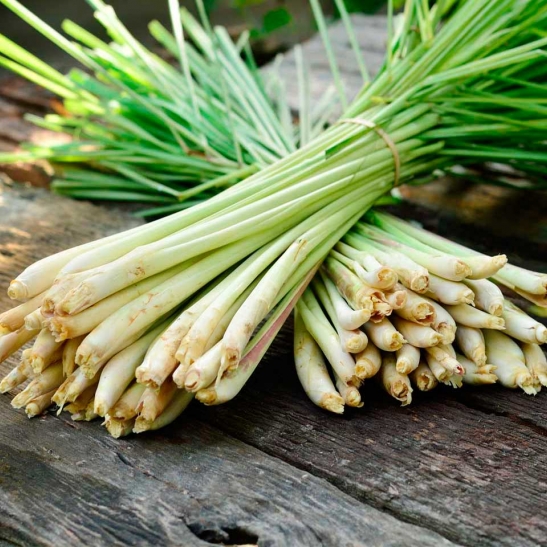
AVAILABILITY: Year-round
STORAGE: Recommended between 10 and 12° C.

Tamarind
Tamarind

The fruit of this tree is a legume: a pod about 10 cm long, light brown or green.
Rich in mineral salts, vitamins, and fibers, tamarind helps to regulate blood pressure and to keep cholesterol under control. With its pulp creams, you can make sauces and syrups!

AVAILABILITY: Year-round
STORAGE: Recommended between 10 and 12° C.

Citrus Medica
Citrus Medica

It is a curious citrus, a variety of cedar with particular segments.
Its peel is often left to ferment or candied. It is also used for the preparation of liqueurs!

AVAILABILITY: Year-round
STORAGE: Recommended around 10° C.

Green asparagus
Green asparagus

The Peruvian green asparagus is characterized by its tender texture, which allows it to be eaten without being peeled, making preparation faster.
The taste is typically intense, which differs from the delicate one of white.
You can prepare the green asparagus in combination with strong flavours that will enhance it.

AVAILABILITY: Year-round
STORAGE: Recommended around 2° C.

White asparagus
White asparagus

It is a very used product for dishes. You can accompany it with eggs, use it in risottos or tasty savoury pies.
This product of ours is available throughout the year, as we buy it from Peru!

AVAILABILITY: Year-round
STORAGE: Recommended around 2° C.

Mini Vegetables
Mini Vegetables

Mini Vegetables are so tiny but so rich in taste.
Be surprised and surprise others too by serving them!

AVAILABILITY: Year-round
STORAGE: Recommended between 4 and 8° C.

Edible flowers
Edible flowers

In addition to the traditional courgette flowers, which are among the most consumed, there ame many others that can be eaten.
They are called edible flowers and are widely used in restaurant kitchens for floral arrangements that go beyond aesthetics!

AVAILABILITY: Year-round
STORAGE: Recommended between 2 and 4° C.

Thanks to an extensive and well-established network of contacts with producers all over the world, Garden Frutta is able to source and distribute a wide variety of products all year round.

CONTACT US
Via sommacampagna, 63 F 37137 Verona VR
+39 045 8601208
+39 045 8618548
info@gardenfrutta.it
FOLLOW US:
  • Facebook
  • Instagram
  • Linkedin
  • YouTube
PRODUCTS
  • Strawberries, Cherries and Small Fruits
  • Exotic Fruits
  • Exotic Vegetables
  • Mushrooms
  • Herbs
  • Chili Peppers
  • Roots
  • Special Products
© 2021 Garden Frutta s.r.l. | P.IVA 01988630230 | Realizzato da Studio Hita
  • Privacy Policy
  • Cookie Policy
    • English
      • Italiano
      • English
    • Home Page
    • Company
    • Products
      • Strawberries, Cherries and Small Fruits
      • Exotic Fruits
      • Exotic Vegetables
      • Mushrooms
      • Herbs
      • Chili Peppers
      • Roots
      • Special Products
    • Our Brand
      • Garden Frutta
      • Garden Esotika
      • Amor
      • Mon Amour
    • Certifications
    • Contacts
    • Work with us

    Garden Frutta is able to find and distribute a wide variety of products at any time of the year.

    ADDRESS

    Via sommacampagna, 63 F 37137 Verona

    TELEPHONE NUMBER

    +39 045 8601208

    EMAIL

    info@gardenfrutta.it

    • Facebook
    • Instagram
    • Linkedin
    • YouTube