



Garden FruttaGarden Frutta
  • Home Page
  • Company
  • Products
    • Strawberries, Cherries and Small Fruits
    • Exotic Fruits
    • Exotic Vegetables
    • Mushrooms
    • Herbs
    • Chili Peppers
    • Roots
    • Special Products
  • Our Brand
    • Garden Frutta
    • Garden Esotika
    • Amor
    • Mon Amour
  • Certifications
  • Contacts
  • Work with us
  • English
    • Italiano
    • English
Garden Frutta
  • Home Page
  • Company
  • Products
    • Strawberries, Cherries and Small Fruits
    • Exotic Fruits
    • Exotic Vegetables
    • Mushrooms
    • Herbs
    • Chili Peppers
    • Roots
    • Special Products
  • Our Brand
    • Garden Frutta
    • Garden Esotika
    • Amor
    • Mon Amour
  • Certifications
  • Contacts
  • Work with us
  • English
    • Italiano
    • English
Garden Frutta
Strawberry
Strawberry

It is a very sweet fruit, rich in vitamin C and xylitol. The secret to a dazzling smile! Strawberry also stands out for its excellent characteristics of flavour, aroma and colour. There are many healthy virtues: they have a very high antioxidant power (20 times higher than other foods) and a rich amount of vitamin C compared to citrus fruits.
That's why strawberry is among the first places in the foods that keep you young in the ranking drawn up by the USDA, the US agency for agriculture.

AVAILABILITY: Year-round.
STORAGE: Recommended temperature between 2 and 4 ° C.
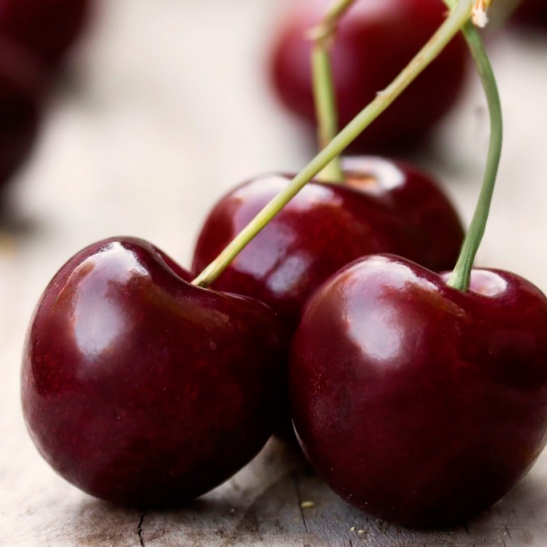
Cherry
Cherry

Cherry is the symbol of summer: one leads to another!
A refreshing fruit that accompanies us in many summer snacks, rich in vitamins A and C, as well as calcium and phosphorus!

Raspberry
Raspberry

For optimal growth, a lot of attention and care are needed, as well as a particular climate. Cool nights and warm sunny days are required. Fresh and with an intense flavour, this little fruit is rich in calcium and vitamin C.
It is very popular in the kitchen for the preparation of desserts, fruit salads, and ice cream.

AVAILABILITY: Year-round.
STORAGE: Recommended temperature between 2 and 4° C.

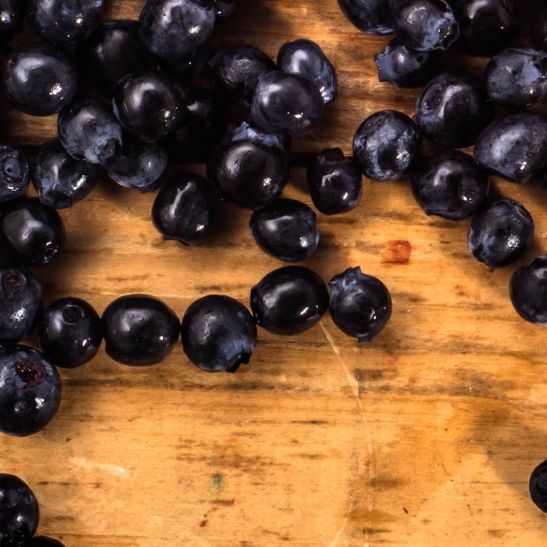
Blueberry
Blueberry

Garden Frutta fresh blueberries: a delight that comes from our productions in Trentino. With their rounded shape and crunchy skin, they are a delight for the eyes and palate.
They are rich in vitamin C and very sweet, we are sure you can't wait to eat a handful!

AVAILABILITY: Year-round.
STORAGE: Recommended temperature between 2 and 4 ° C.

Blackberries
Blackberries

They are a source of antioxidants, have diuretic properties and are rich in folic acid. These berries fight cellular aging and prostration. Eat them fresh, in jams, desserts, and ice cream; they are always tasty on the palate!

AVAILABILITY: Year-round.
STORAGE: Recommended temperature between 2 and 4 ° C.

Redcurrant
Redcurrant

This berry with a sweet and sour taste is rarely missing in the decoration of a dish or a cocktail.
Beauty is combined with the versatility of fruit rich in citric acid, vitamin C, flavonoids and anthocyanins.
A mix of properties that has an astringent, refreshing and protective effect on the retina, vessels and capillaries.

AVAILABILITY: Year-round.
STORAGE: Recommended temperature between 2 and 4° C.

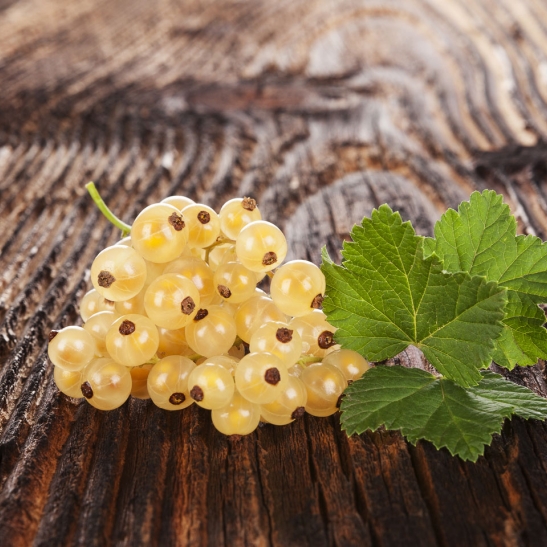
White currant
White currant

The white currant, among all the small fruits, is one of the rarest and most particular.
The fruits of white currant are rich in nutrients: citric and malic acid, vitamin C, flavonoids, polyunsaturated acids and trace elements.
Their action is astringent, refreshing, and anti- inflammatory. They are useful for the circulatory system and for preventing infections.

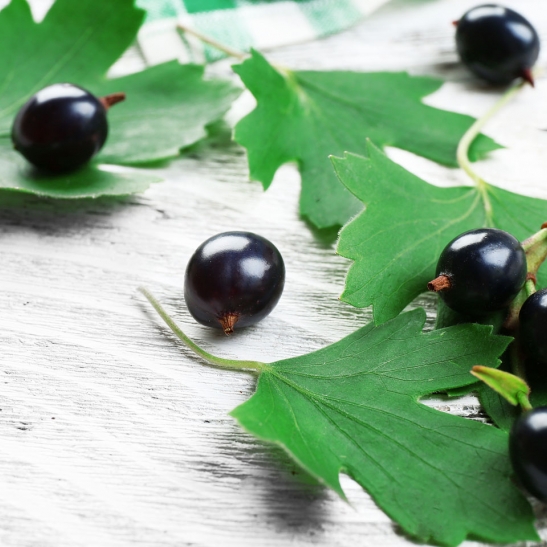
Blackcurrant
Blackcurrant

Black currant is known for its anti-inflammatory and antihistamine properties. It is also useful against conjunctivitis, allergy and tiredness.
The fruits are rich in citric acid, malic acid, vitamin C, trace elements, polyunsaturated acids, flavonoids and anthocyanins, and are useful for their astringent, vasoprotector-capillarotropic, retinal and refreshing action.
They are therefore indicated, in the form of juice or infusion, for capillary fragility and couperose.

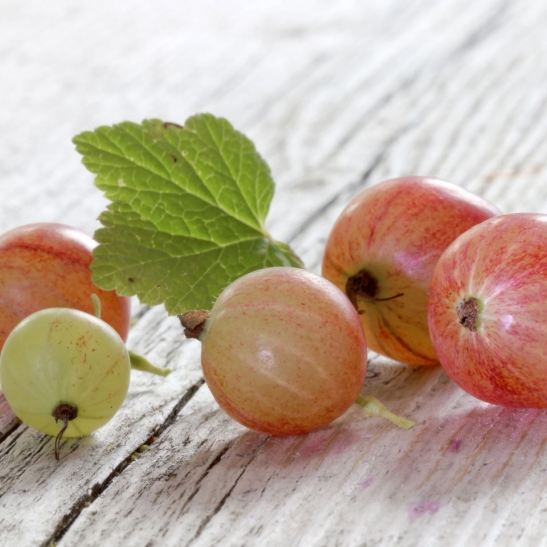
Gooseberry
Gooseberry

Gooseberry is a fruit rich in vitamins, trace elements and nutrients useful for preserving psychophysical well-being.
If you love sour flavours, you can eat it as a delicious snack to break your mid-morning or afternoon hunger.
If, on the other hand, you prefer sweeter and more delicate flavours, you can put it in a fruit salad in combination with apricots, bananas, blueberries, pears or apples.
This fruit is also used as a decoration for desserts or for meat or fish dishes or as a basic ingredient for jellies, syrups, jams and marmalades.

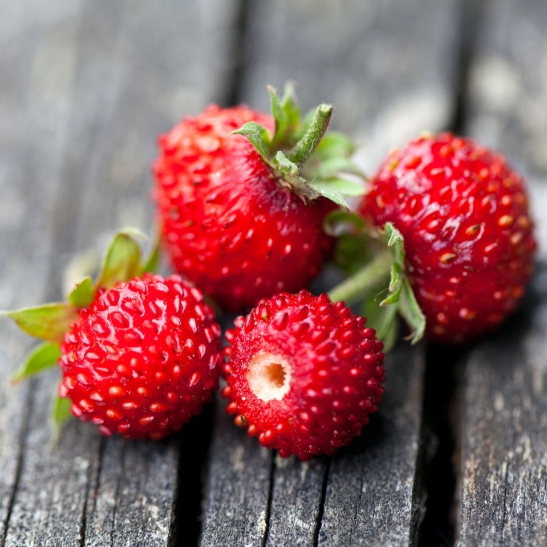
Wild strawberry
Wild strawberry

During a walk in the mountains, all of us were unable to resist the taste and amazement of wild strawberries; so much that our mind still retains a nostalgic memory of their scent!
You can enjoy our wild strawberries plain, use them for sweets and jams or accompany them with a spoonful of custard!

Wild Bilberry
Wild Bilberry

The berries of the wild blueberry have a high number of organic acids. Thanks to it, you can begin to benefit from their action to help circulation and protect the capillaries.
Drinking a glass of wild blueberry juice will help you to support the elasticity of your blood vessels, to counteract phenomena such as slowed circulation and the feeling of always having heavy legs, especially in summer.
Consuming wild blueberry daily will help boost your health. The wild bilberry also contains many vitamins, such as vitamin A and vitamin C.

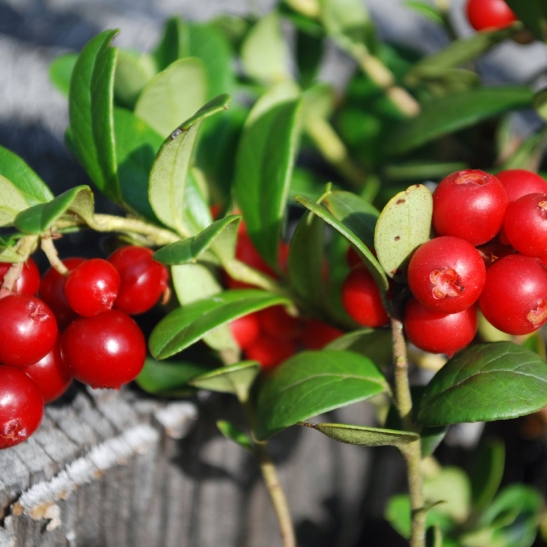
Wild Cranberry
Wild Cranberry

Cranberries are small berries with round or oval shapes.
The colour goes from red to dark red. The pulp of the cranberry is white and has a sweet and sour taste.
Cranberries are particularly popular with consumers during the holiday season.
They go well with game dishes and other fruits.

AVAILABILITY: January and from September to December.
STORAGE: Recommended temperature between 2 and 4° C.

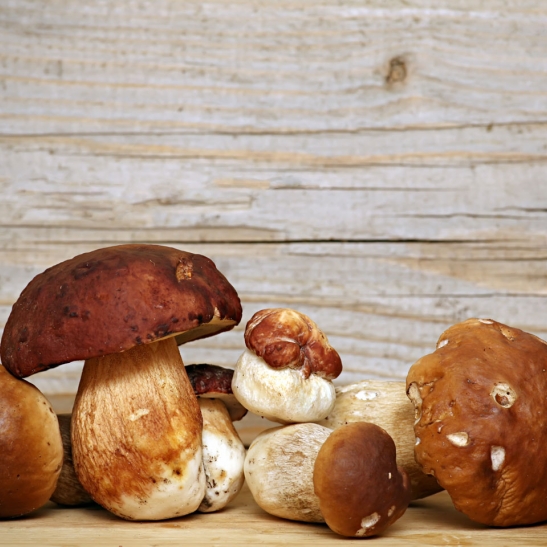
Boletus (Porcino)
Boletus (Porcino)

Mushrooms are a source of carbohydrates, proteins, minerals and vitamins!
In fact, among the mineral salts present in mushrooms, we find calcium, iron, manganese and selenium (an important element for our diet that helps us strengthen the immune system).
Garden Frutta porcini mushrooms are always fresh and carefully selected!

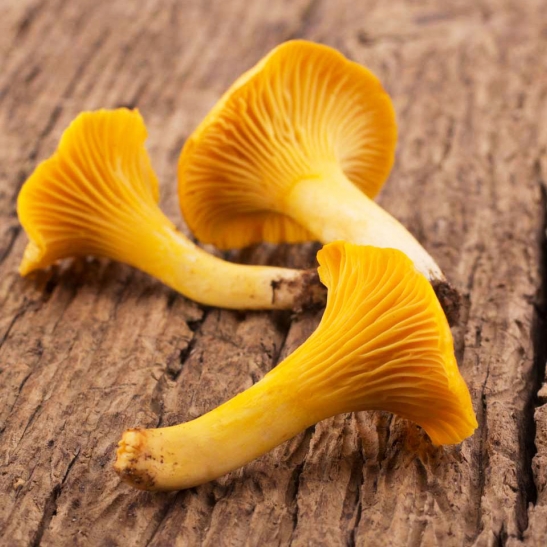
Cantharellus Cibarius (Finferlo)

Baked, sautéed or in a risotto: dozens of recipes are available for these fresh Chanterelles!
Collected in the forests of Romania and Lithuania, they are checked, certified and shipped in a single day, reaching your trusted dealer fresh!

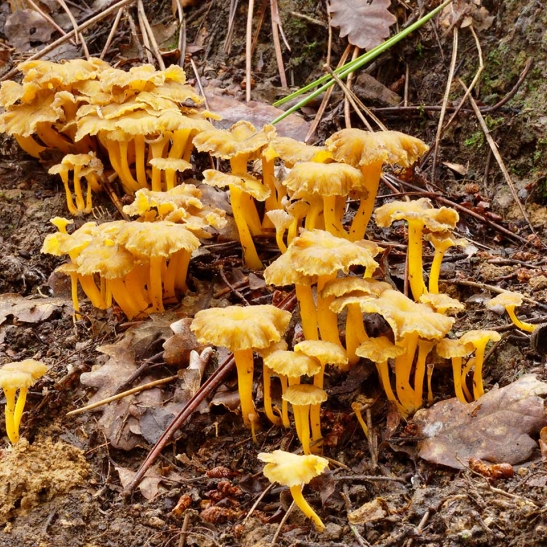
Cantharellus Lutescens (Finferla)

It is an excellent edible mushroom, with a tendentially yellow-gold-orange colour, known by the name of Finferla or Fiammiferino.
Thanks to its intense aromatic-fruity smell, it is very suitable for the preparation of excellent omelettes or “Pasqualina” cakes with a mix of mushrooms. It's also good for compotes or moist mixed mushrooms.
Its intense flavour is preserved during drying and, once dried, you can eat it either when it's dry or pulverized, or by letting it be slightly tempered with warm water.

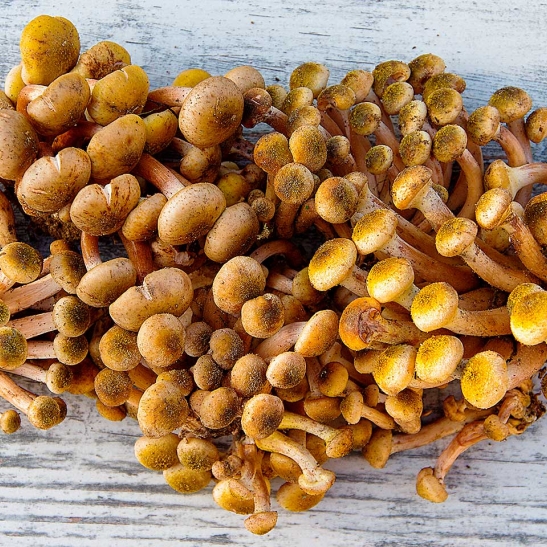
Armillaria Mellea (Chiodino)

These are sponge-free mushrooms, therefore usable in all their parts of which nothing should be thrown away.
They are used for meat dishes, but also for the preparation of rice and pasta, due to their fibrous and dry consistency which creates a perfect match.
These mushrooms are very rich in water, mineral salts and dietary fiber compared to a truly negligible amount of sodium. Even the iron content is not irrelevant, especially if, as anticipated, you want to use them as a side dish for a nice slice of roast.

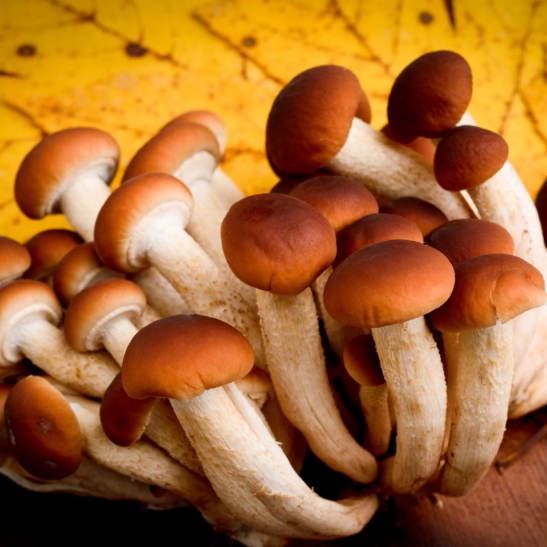
Agrocybe Aegerita (Pioppino)

It's one of the best known and loved mushrooms by Italians since ancient Rome.
The Pioppini, even after harvesting, can last a long time if stored in the refrigerator, keeping their organoleptic qualities unaltered.
As most sliced mushrooms, these lend themselves well to being cooked in combination with egg.
Alternatively, if they’re young and still tightly closed, they are excellent for preserving in oil.

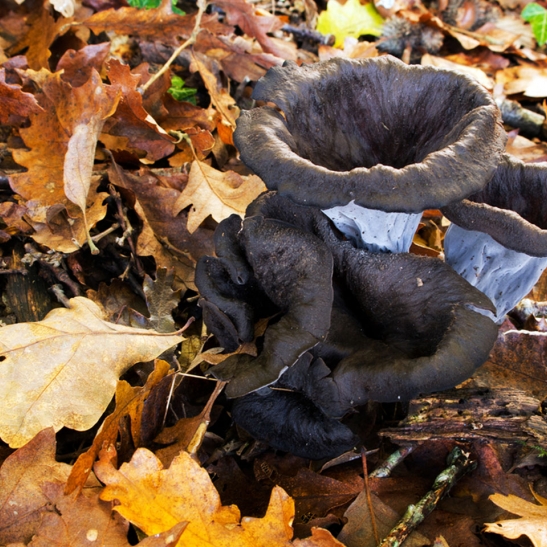
Craterellus Cornucopioides (Trombetta da Morto)

“Trombette dei morti” are particularly sought-after mushrooms.
The appearance is not that great. The common name does not encourage consumption and yet it is a mushroom that should not be underestimated because, in many parts of Italy, it is known as the "truffle of the poor".
They have an aromatic taste similar to that of the Scorzone truffle, which goes well with other more delicate ingredients. They can be boiled or cooked in a pan with garlic and extra virgin olive oil to prepare excellent sauces.
In any case, these mushrooms give their best once dried and used in powder or pieces to season first courses.

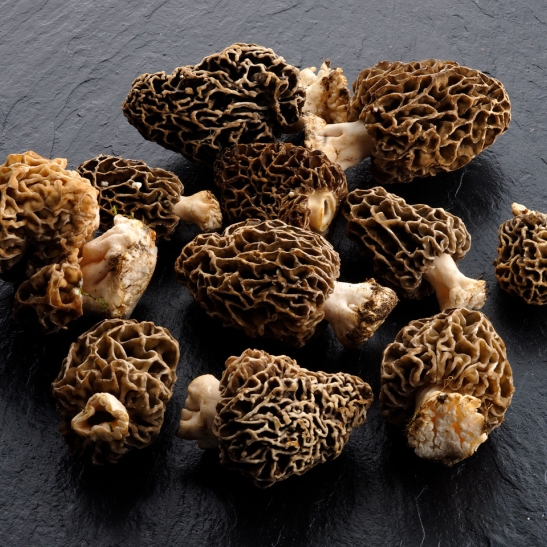
Morchella (Spugnola)

Morel mushrooms are beautiful mushrooms good to bring to the table following the correct cooking to enjoy them to the fullest.
They are known for their flavour and texture. Even people who are not fans of mushrooms can discover the pleasure of tasting them.
Morels have a unique flavour, almost like meat, with a consistency similar to tender meat, with a natural sweetish taste between hazelnut and herbaceous hints.

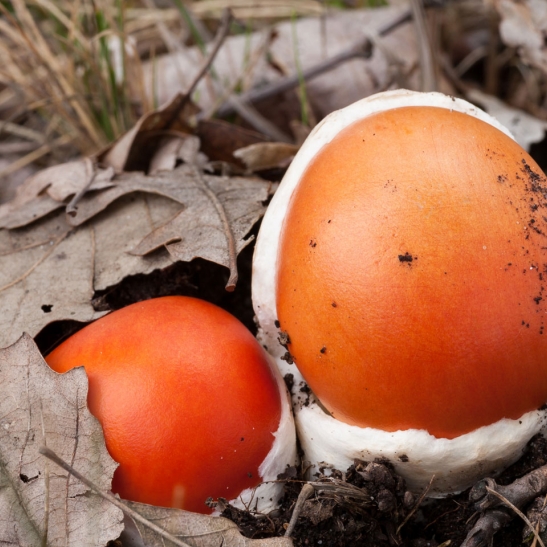
Amanita Caesarea (Ovulo)

Amanita Caesarea, more commonly called Ovulo or King's mushrooms, are among the best mushrooms on the planet and have a delicate and extraordinary flavour.
They are inviting and tasty in lots of recipes. They can be used fresh in salads, cut into strips, and served with rocket, parmesan, and extra virgin olive oil.
If you prefer them cooked, you can prepare excellent pappardelle or cook them in the oven or you can sauté them in a pan with polenta and pecorino cheese.

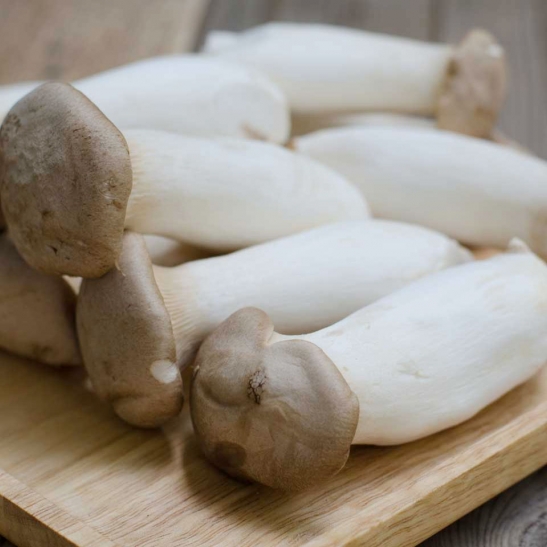
Pleurotus Eryngii (Cardoncello)

Cardoncello is one of the finest mushrooms among those belonging to the Italian tradition.
The consistency is firm and the mushroom is very fleshy, the smell is pleasant, sometimes aromatic, and the flavour is, on the other hand, sweet but at the same full.
Cardoncello also stands out for its nutritional characteristics. It is characterized by a protein intake. It contains many essential amino acids that are good for the body and support the function of many organs. The same goes for vitamins, which are quite abundant.
It is excellent baked in the oven, perhaps together with potatoes, lamb, and sausage. If cleaned well, it can even be eaten raw in salads.

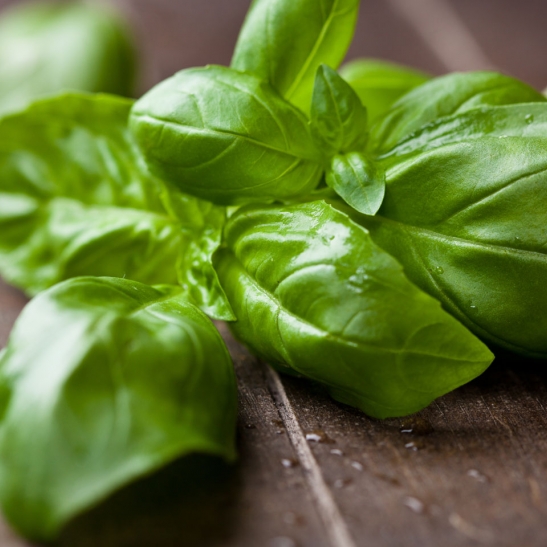
Basil
Basil

An unmistakable scent: basil is the king of aromatic herbs.
Good anti-inflammatory and antibacterial, it is also rich in beta-carotene.
It has been used in Italy for centuries, and today it is famous all around the world thanks to the amazing Genoese pesto.
An original way to consume basil is to fry it in batter and serve it as a side dish: a delicious alternative to French fries!

AVAILABILITY: Year-round.
STORAGE: Recommended between 8 and 12° C.

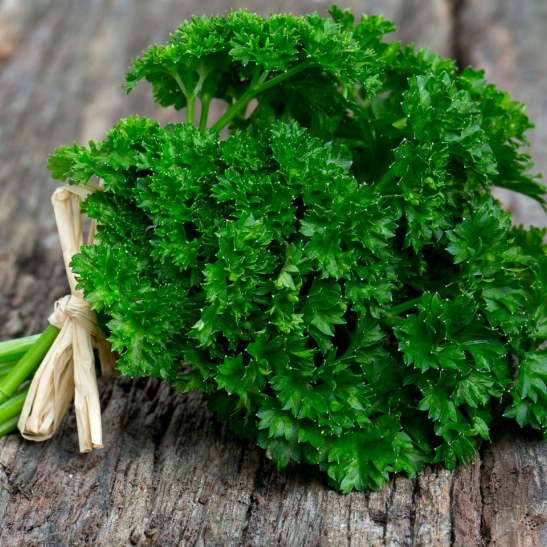
Parsley
Parsley

Fresh, slightly spicy, and above all healthy.
What many people don't know is that this fresh herb is rich in vitamins and minerals, such as vitamin K, which helps the body absorb calcium.
This bright green grass comes in several varieties. Flat-leaf parsley and curly parsley are directly related.

AVAILABILITY: Year-round.
STORAGE: Recommended between 2 and 4° C.

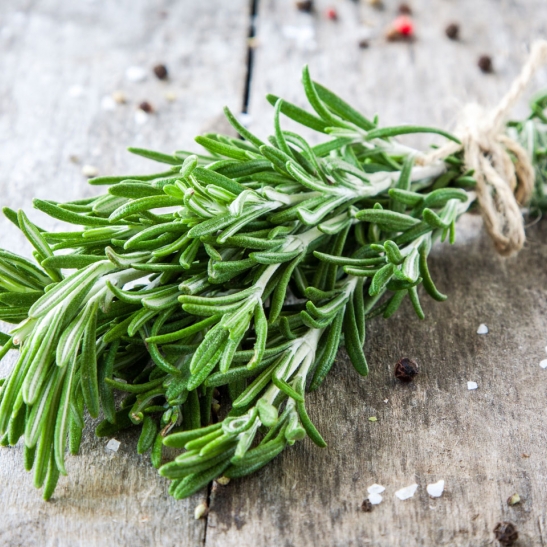
Rosemary
Rosemary

The aroma of rosemary is very distinctive and recognizable.
The taste is intense and reminiscent of Mediterranean cuisines, but use it sparingly: it will easily prevail over your recipe.
The twigs grow on a hardy shrub, with needle-like leaves in two colours: dark green on top, white below.

AVAILABILITY: Year-round.
STORAGE: Recommended between 2 and 4° C.

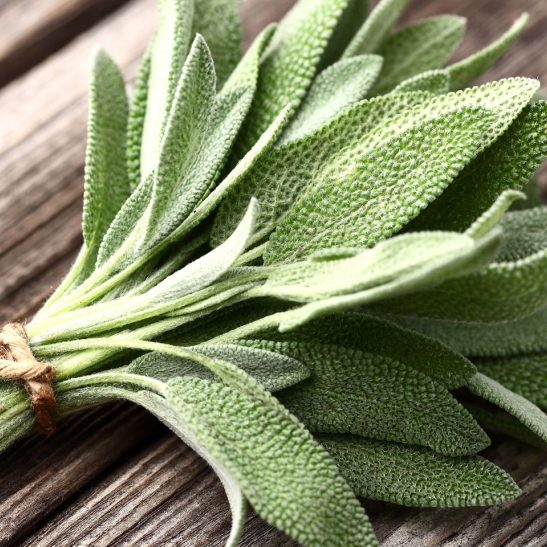
Sage
Sage

Sage is an aromatic and officinal plant widespread in temperate regions.
It is well known for its warm and penetrating aroma, therefore used in the kitchen as a seasoning, adapting to many dishes of Italian cuisine.
In Italian cuisine, sage can appear from appetizers to desserts. Despite its variety of uses, this plant is mainly used to flavour meat.
One of the main characteristics of this aromatic herb is its great digestive power; for this reason, it is often used in herbal teas or decoctions at the end of a meal.

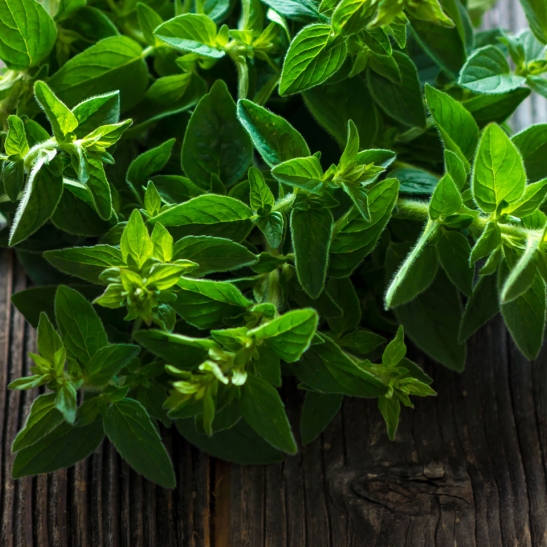
Oregano
Oregano

In the dry form, the influence of oregano on recipes is stronger, but in many dishes the slightly milder taste of fresh grass is preferable.
The sturdy twigs are green-purple. Green, pointed leaves sprout. It is important to add fresh oregano at the end of cooking.

AVAILABILITY: Year-round.
STORAGE: Recommended between 2 and 8° C.

Marjoram
Marjoram

The herb has been used for at least twenty centuries, although fresh marjoram was known primarily as a remedy for ailments back then.
Nowadays, this herb is mainly known in Mediterranean cuisine. Marjoram is instantly recognizable in many Provencal recipes, often paired with oregano.
The perfume is intense, almost like thyme; with a fresh, sweet, and salty flavour. Compared to oregano, marjoram has a slightly milder flavour.

AVAILABILITY: Year-round.
STORAGE: Recommended between 2 and 4° C.

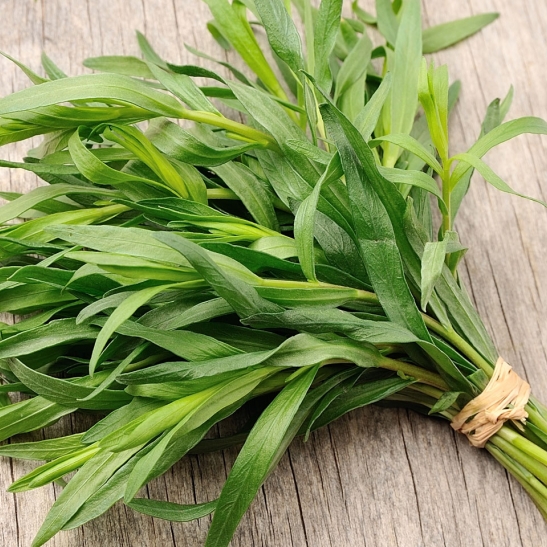
Tarragon
Tarragon

Although tarragon originates from Central Asia, it is the great French chefs who have given this herb its reputation.
It is a green herb with a delicate and slightly sweet aroma that tends slightly to anise and pepper.
Elongated thin leaves grow on the long stems of the tarragon plant.

AVAILABILITY: Year-round.
STORAGE: Recommended between 2 and 8° C.

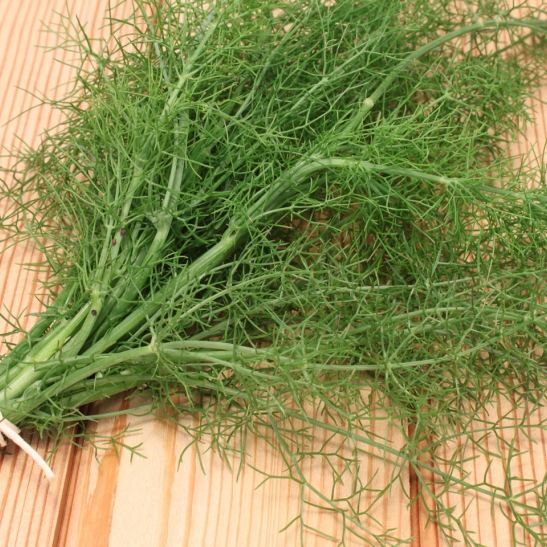
Fennel
Fennel

Fennel or wild fennel is an herbaceous plant that can grow spontaneously on the coasts of the Mediterranean.
It is a very versatile food. It's used raw to enrich mixed salads, but you can also cook it to enrich the most varied culinary preparations.
Fennel has a good amount of water, but it also contains vitamins, minerals, and numerous molecules with nutraceutical value, such as phenolic compounds and flavonoids.

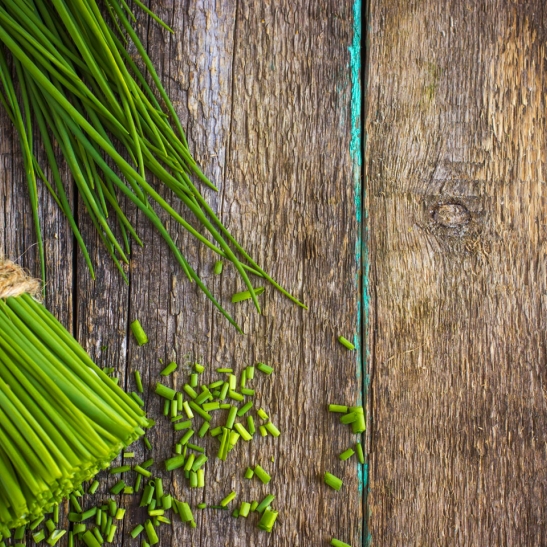
Chives
Chives

It is an excellent alternative to the more well-known onion flavour and has a taste that goes perfectly with cooked vegetables, meat and fish.
The plant is often used to flavour green or tomato salads, omelettes, potatoes, soups and quiches. Together with celery and carrot, it is a delicate alternative for sautéing sauces.

AVAILABILITY: Year-round.
STORAGE: Recommended between 2 and 8° C.

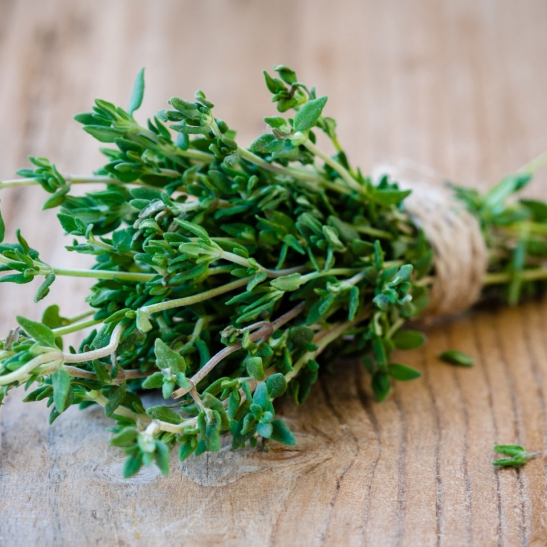
Thyme
Thyme

Thyme is one of the most popular herbs of Mediterranean cuisine, it is excellent for flavouring dishes and, thanks to its digestive properties, it is used in numerous liqueurs.
We suggest you a tasty recipe that is quick to prepare: a savoury zucchini and thyme pie!

AVAILABILITY: Year-round.
STORAGE: Recommended between 2 and 4° C.

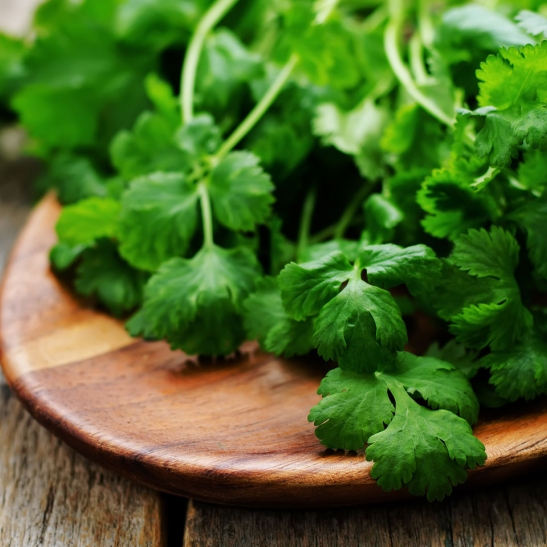
Coriander
Coriander

Coriander isn't just similar in appearance to parsley, which the herb is related to, but the flavour is also very similar, although fresh cilantro has a stronger one.
The taste is best described as slightly sweet, with a hint of anise.

AVAILABILITY: Year-round.
STORAGE: Recommended between 2 and 4° C.

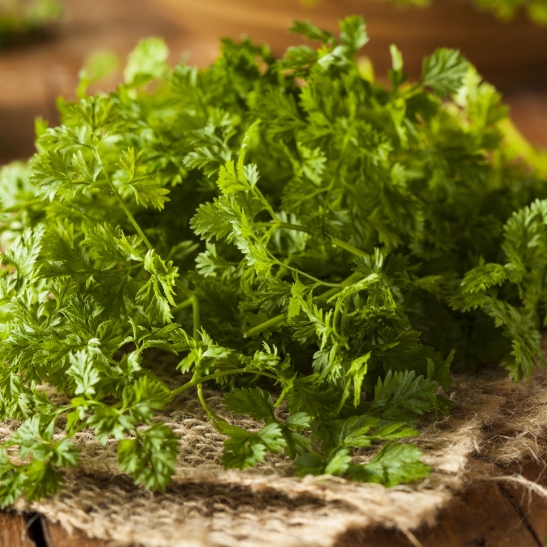
Chervil
Chervil

This aromatic herb is very similar to parsley, much more delicate.
The chervil leaves are light green and turn red in autumn.
The aroma is reminiscent of parsley and anise and is added to soups, broths, white meats such as chicken and rabbit or eggs.
It also goes well with legumes such as beans, broad beans and peas.

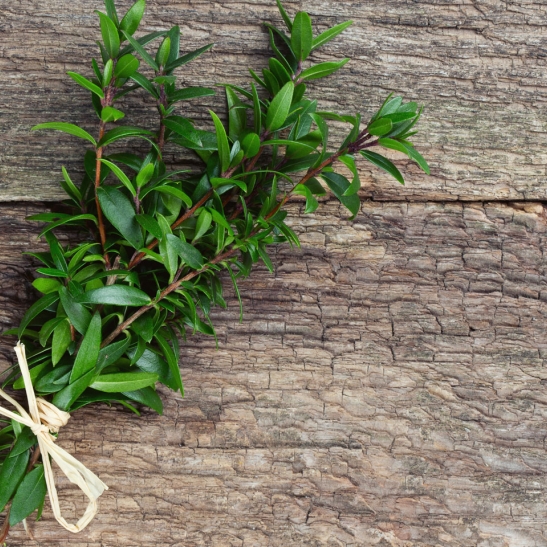
Myrtle
Myrtle

Myrtle immediately reminds us of Sardinia and the very famous liqueur!
Have you ever thought of using it in the kitchen? Not only for jam but also real recipes.
We want to give you a first suggestion, try marinating the chicken in myrtle leaves, you will not be disappointed!

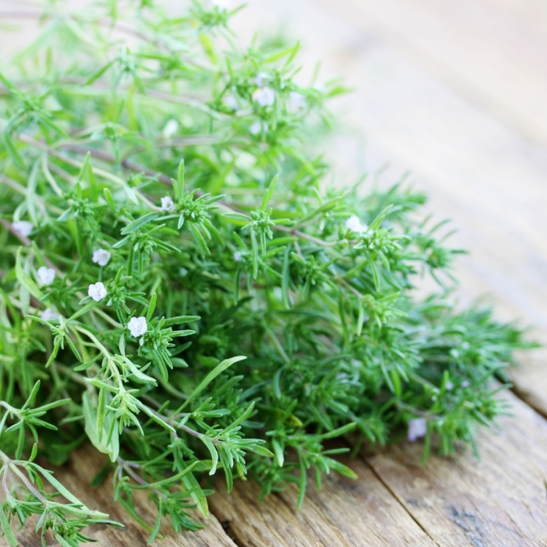
Savory
Savory

Savory is an aromatic herb native to the Mediterranean and is rich in active ingredients, vitamins and mineral salts.
In the kitchen, it goes well with salads, cheeses, meat and for the preparation of sauces and gravies.
It can be used both fresh and dried, while a very particular combination is that with legumes since it promotes digestion.

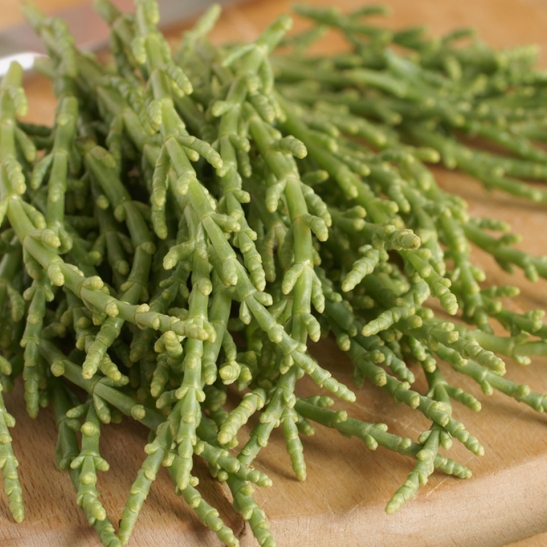
Glasswort
Glasswort

Glasswort is a sea vegetable grown in saline conditions.
It is no surprise that the taste also has that salty, savoury flavour.
It can be cooked but raw it is good too, as an unexpected salty addition to a salad, for example.

AVAILABILITY: Year-round.
STORAGE: Recommended between 2 and 4° C.

Melissa
Melissa

Melissa is a plant that has boasts various antispasmodic and antioxidant properties and effective against insomnia and stress.
Not everyone knows that leaves can also be used in cooking as a cooking ingredient.
They can be added to salads, taking advantage of their lemon-like flavour, with a slight mentholated aftertaste.
You can use them to flavour meat, soups, legume soups or to make excellent liqueurs.

Dill
Dill

Dill is an aromatic plant used in many areas of the world.
It is not uncommon to find bread or cheeses flavoured with the slight aroma of anise and fennel of dill.
It can also be used to flavour fish dishes, salads, eggs, and potatoes.

AVAILABILITY: Year-round.
STORAGE: Recommended between 2 and 8° C.

Mint
Mint

The mint leaves have an unmistakable scent!
You can use them in many dishes to give a fresh and summery touch.
Perfect ally of seasonal drinks, it is just what you need to fight the first heat!

AVAILABILITY: Year-round.
STORAGE: Recommended around 2° C.

Sakura Mix
Sakura Mix

Garden Frutta Sakura Mix sprouts lend themselves to enriching salads, canapés, appetizers, soups, and broths.
They are ideal for flavouring extra virgin olive oil and cheeses to create delicious alternatives to the classic Genoese pesto with oriental and intense notes.
Fresh sprouts are versatile, also use them to decorate delicious fish dishes, croutons, and the most delicious fillings!

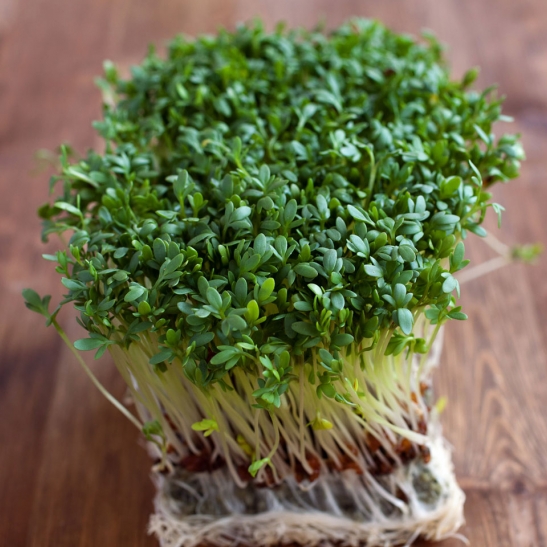
Cress
Cress

It is an edible plant characterized by tall, thin stems with oval-shaped leaves.
It tastes similar to a fresh pea, so much so that it goes perfectly with dishes with a strong and sour taste.
Good to eat and beautiful to look at for its decorative shape.

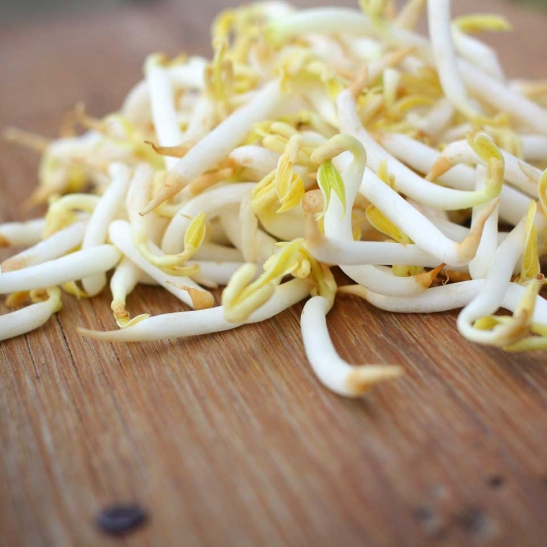
Soybean
Soybean

Soybeans are very rich in water, vitamins, especially vitamin C, and mineral salts that are precious for our body.
They can be considered natural supplements that also help us stimulate diuresis and detoxify the body.
Soybeans bring various benefits to our bodies: they help keep cholesterol at bay by thinning the blood; support the work of the intestine thanks to the supply of fiber that promotes regularity and counteracts constipation.

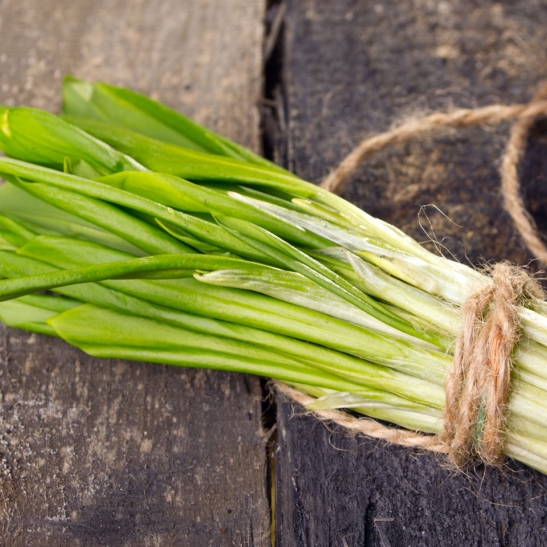
Wild garlic
Wild garlic

Wild garlic is a plant that grows near humid places. It is almost unknown in Italy and is rarely used in the kitchen.
Both the bulb and the leaves can be used. The taste of wild garlic is stronger than common garlic.
In particular, the minced bulb can be used to season sauces, to flavour potatoes, soups, and omelettes.

Borage
Borage

Borage is a wild plant widely used in cooking. The leaves are used to remove the fluff, usually after boiling.
The leaves are excellent fried with batter or used to fill ravioli and tortellini or simply chopped and made into an omelette.
They can also be used to flavour various dishes with their sour taste that vaguely recalls cucumber.

Strawberry
Strawberry

It is a very sweet fruit, rich in vitamin C and xylitol. The secret to a dazzling smile! Strawberry also stands out for its excellent characteristics of flavour, aroma and colour. There are many healthy virtues: they have a very high antioxidant power (20 times higher than other foods) and a rich amount of vitamin C compared to citrus fruits.
That's why strawberry is among the first places in the foods that keep you young in the ranking drawn up by the USDA, the US agency for agriculture.

AVAILABILITY: Year-round.
STORAGE: Recommended temperature between 2 and 4 ° C.

Cherry
Cherry

Cherry is the symbol of summer: one leads to another!
A refreshing fruit that accompanies us in many summer snacks, rich in vitamins A and C, as well as calcium and phosphorus!

Raspberry
Raspberry

For optimal growth, a lot of attention and care are needed, as well as a particular climate. Cool nights and warm sunny days are required. Fresh and with an intense flavour, this little fruit is rich in calcium and vitamin C.
It is very popular in the kitchen for the preparation of desserts, fruit salads, and ice cream.

AVAILABILITY: Year-round.
STORAGE: Recommended temperature between 2 and 4° C.

Blueberry
Blueberry

Garden Frutta fresh blueberries: a delight that comes from our productions in Trentino. With their rounded shape and crunchy skin, they are a delight for the eyes and palate.
They are rich in vitamin C and very sweet, we are sure you can't wait to eat a handful!

AVAILABILITY: Year-round.
STORAGE: Recommended temperature between 2 and 4 ° C.

Blackberries
Blackberries

They are a source of antioxidants, have diuretic properties and are rich in folic acid. These berries fight cellular aging and prostration. Eat them fresh, in jams, desserts, and ice cream; they are always tasty on the palate!

AVAILABILITY: Year-round.
STORAGE: Recommended temperature between 2 and 4 ° C.

Redcurrant
Redcurrant

This berry with a sweet and sour taste is rarely missing in the decoration of a dish or a cocktail.
Beauty is combined with the versatility of fruit rich in citric acid, vitamin C, flavonoids and anthocyanins.
A mix of properties that has an astringent, refreshing and protective effect on the retina, vessels and capillaries.

AVAILABILITY: Year-round.
STORAGE: Recommended temperature between 2 and 4° C.

White currant
White currant

The white currant, among all the small fruits, is one of the rarest and most particular.
The fruits of white currant are rich in nutrients: citric and malic acid, vitamin C, flavonoids, polyunsaturated acids and trace elements.
Their action is astringent, refreshing, and anti- inflammatory. They are useful for the circulatory system and for preventing infections.

Blackcurrant
Blackcurrant

Black currant is known for its anti-inflammatory and antihistamine properties. It is also useful against conjunctivitis, allergy and tiredness.
The fruits are rich in citric acid, malic acid, vitamin C, trace elements, polyunsaturated acids, flavonoids and anthocyanins, and are useful for their astringent, vasoprotector-capillarotropic, retinal and refreshing action.
They are therefore indicated, in the form of juice or infusion, for capillary fragility and couperose.

Gooseberry
Gooseberry

Gooseberry is a fruit rich in vitamins, trace elements and nutrients useful for preserving psychophysical well-being.
If you love sour flavours, you can eat it as a delicious snack to break your mid-morning or afternoon hunger.
If, on the other hand, you prefer sweeter and more delicate flavours, you can put it in a fruit salad in combination with apricots, bananas, blueberries, pears or apples.
This fruit is also used as a decoration for desserts or for meat or fish dishes or as a basic ingredient for jellies, syrups, jams and marmalades.

Wild strawberry
Wild strawberry

During a walk in the mountains, all of us were unable to resist the taste and amazement of wild strawberries; so much that our mind still retains a nostalgic memory of their scent!
You can enjoy our wild strawberries plain, use them for sweets and jams or accompany them with a spoonful of custard!

Wild Bilberry
Wild Bilberry

The berries of the wild blueberry have a high number of organic acids. Thanks to it, you can begin to benefit from their action to help circulation and protect the capillaries.
Drinking a glass of wild blueberry juice will help you to support the elasticity of your blood vessels, to counteract phenomena such as slowed circulation and the feeling of always having heavy legs, especially in summer.
Consuming wild blueberry daily will help boost your health. The wild bilberry also contains many vitamins, such as vitamin A and vitamin C.

Wild Cranberry
Wild Cranberry

Cranberries are small berries with round or oval shapes.
The colour goes from red to dark red. The pulp of the cranberry is white and has a sweet and sour taste.
Cranberries are particularly popular with consumers during the holiday season.
They go well with game dishes and other fruits.

AVAILABILITY: January and from September to December.
STORAGE: Recommended temperature between 2 and 4° C.

Boletus (Porcino)
Boletus (Porcino)

Mushrooms are a source of carbohydrates, proteins, minerals and vitamins!
In fact, among the mineral salts present in mushrooms, we find calcium, iron, manganese and selenium (an important element for our diet that helps us strengthen the immune system).
Garden Frutta porcini mushrooms are always fresh and carefully selected!

Cantharellus Cibarius (Finferlo)

Baked, sautéed or in a risotto: dozens of recipes are available for these fresh Chanterelles!
Collected in the forests of Romania and Lithuania, they are checked, certified and shipped in a single day, reaching your trusted dealer fresh!

Cantharellus Lutescens (Finferla)

It is an excellent edible mushroom, with a tendentially yellow-gold-orange colour, known by the name of Finferla or Fiammiferino.
Thanks to its intense aromatic-fruity smell, it is very suitable for the preparation of excellent omelettes or “Pasqualina” cakes with a mix of mushrooms. It's also good for compotes or moist mixed mushrooms.
Its intense flavour is preserved during drying and, once dried, you can eat it either when it's dry or pulverized, or by letting it be slightly tempered with warm water.

Armillaria Mellea (Chiodino)

These are sponge-free mushrooms, therefore usable in all their parts of which nothing should be thrown away.
They are used for meat dishes, but also for the preparation of rice and pasta, due to their fibrous and dry consistency which creates a perfect match.
These mushrooms are very rich in water, mineral salts and dietary fiber compared to a truly negligible amount of sodium. Even the iron content is not irrelevant, especially if, as anticipated, you want to use them as a side dish for a nice slice of roast.

Agrocybe Aegerita (Pioppino)

It's one of the best known and loved mushrooms by Italians since ancient Rome.
The Pioppini, even after harvesting, can last a long time if stored in the refrigerator, keeping their organoleptic qualities unaltered.
As most sliced mushrooms, these lend themselves well to being cooked in combination with egg.
Alternatively, if they’re young and still tightly closed, they are excellent for preserving in oil.

Craterellus Cornucopioides (Trombetta da Morto)

“Trombette dei morti” are particularly sought-after mushrooms.
The appearance is not that great. The common name does not encourage consumption and yet it is a mushroom that should not be underestimated because, in many parts of Italy, it is known as the "truffle of the poor".
They have an aromatic taste similar to that of the Scorzone truffle, which goes well with other more delicate ingredients. They can be boiled or cooked in a pan with garlic and extra virgin olive oil to prepare excellent sauces.
In any case, these mushrooms give their best once dried and used in powder or pieces to season first courses.

Morchella (Spugnola)

Morel mushrooms are beautiful mushrooms good to bring to the table following the correct cooking to enjoy them to the fullest.
They are known for their flavour and texture. Even people who are not fans of mushrooms can discover the pleasure of tasting them.
Morels have a unique flavour, almost like meat, with a consistency similar to tender meat, with a natural sweetish taste between hazelnut and herbaceous hints.

Amanita Caesarea (Ovulo)

Amanita Caesarea, more commonly called Ovulo or King's mushrooms, are among the best mushrooms on the planet and have a delicate and extraordinary flavour.
They are inviting and tasty in lots of recipes. They can be used fresh in salads, cut into strips, and served with rocket, parmesan, and extra virgin olive oil.
If you prefer them cooked, you can prepare excellent pappardelle or cook them in the oven or you can sauté them in a pan with polenta and pecorino cheese.

Pleurotus Eryngii (Cardoncello)

Cardoncello is one of the finest mushrooms among those belonging to the Italian tradition.
The consistency is firm and the mushroom is very fleshy, the smell is pleasant, sometimes aromatic, and the flavour is, on the other hand, sweet but at the same full.
Cardoncello also stands out for its nutritional characteristics. It is characterized by a protein intake. It contains many essential amino acids that are good for the body and support the function of many organs. The same goes for vitamins, which are quite abundant.
It is excellent baked in the oven, perhaps together with potatoes, lamb, and sausage. If cleaned well, it can even be eaten raw in salads.

Basil
Basil

An unmistakable scent: basil is the king of aromatic herbs.
Good anti-inflammatory and antibacterial, it is also rich in beta-carotene.
It has been used in Italy for centuries, and today it is famous all around the world thanks to the amazing Genoese pesto.
An original way to consume basil is to fry it in batter and serve it as a side dish: a delicious alternative to French fries!

AVAILABILITY: Year-round.
STORAGE: Recommended between 8 and 12° C.

Parsley
Parsley

Fresh, slightly spicy, and above all healthy.
What many people don't know is that this fresh herb is rich in vitamins and minerals, such as vitamin K, which helps the body absorb calcium.
This bright green grass comes in several varieties. Flat-leaf parsley and curly parsley are directly related.

AVAILABILITY: Year-round.
STORAGE: Recommended between 2 and 4° C.

Rosemary
Rosemary

The aroma of rosemary is very distinctive and recognizable.
The taste is intense and reminiscent of Mediterranean cuisines, but use it sparingly: it will easily prevail over your recipe.
The twigs grow on a hardy shrub, with needle-like leaves in two colours: dark green on top, white below.

AVAILABILITY: Year-round.
STORAGE: Recommended between 2 and 4° C.

Sage
Sage

Sage is an aromatic and officinal plant widespread in temperate regions.
It is well known for its warm and penetrating aroma, therefore used in the kitchen as a seasoning, adapting to many dishes of Italian cuisine.
In Italian cuisine, sage can appear from appetizers to desserts. Despite its variety of uses, this plant is mainly used to flavour meat.
One of the main characteristics of this aromatic herb is its great digestive power; for this reason, it is often used in herbal teas or decoctions at the end of a meal.

Oregano
Oregano

In the dry form, the influence of oregano on recipes is stronger, but in many dishes the slightly milder taste of fresh grass is preferable.
The sturdy twigs are green-purple. Green, pointed leaves sprout. It is important to add fresh oregano at the end of cooking.

AVAILABILITY: Year-round.
STORAGE: Recommended between 2 and 8° C.

Marjoram
Marjoram

The herb has been used for at least twenty centuries, although fresh marjoram was known primarily as a remedy for ailments back then.
Nowadays, this herb is mainly known in Mediterranean cuisine. Marjoram is instantly recognizable in many Provencal recipes, often paired with oregano.
The perfume is intense, almost like thyme; with a fresh, sweet, and salty flavour. Compared to oregano, marjoram has a slightly milder flavour.

AVAILABILITY: Year-round.
STORAGE: Recommended between 2 and 4° C.

Tarragon
Tarragon

Although tarragon originates from Central Asia, it is the great French chefs who have given this herb its reputation.
It is a green herb with a delicate and slightly sweet aroma that tends slightly to anise and pepper.
Elongated thin leaves grow on the long stems of the tarragon plant.

AVAILABILITY: Year-round.
STORAGE: Recommended between 2 and 8° C.

Fennel
Fennel

Fennel or wild fennel is an herbaceous plant that can grow spontaneously on the coasts of the Mediterranean.
It is a very versatile food. It's used raw to enrich mixed salads, but you can also cook it to enrich the most varied culinary preparations.
Fennel has a good amount of water, but it also contains vitamins, minerals, and numerous molecules with nutraceutical value, such as phenolic compounds and flavonoids.

Chives
Chives

It is an excellent alternative to the more well-known onion flavour and has a taste that goes perfectly with cooked vegetables, meat and fish.
The plant is often used to flavour green or tomato salads, omelettes, potatoes, soups and quiches. Together with celery and carrot, it is a delicate alternative for sautéing sauces.

AVAILABILITY: Year-round.
STORAGE: Recommended between 2 and 8° C.

Thyme
Thyme

Thyme is one of the most popular herbs of Mediterranean cuisine, it is excellent for flavouring dishes and, thanks to its digestive properties, it is used in numerous liqueurs.
We suggest you a tasty recipe that is quick to prepare: a savoury zucchini and thyme pie!

AVAILABILITY: Year-round.
STORAGE: Recommended between 2 and 4° C.

Coriander
Coriander

Coriander isn't just similar in appearance to parsley, which the herb is related to, but the flavour is also very similar, although fresh cilantro has a stronger one.
The taste is best described as slightly sweet, with a hint of anise.

AVAILABILITY: Year-round.
STORAGE: Recommended between 2 and 4° C.

Chervil
Chervil

This aromatic herb is very similar to parsley, much more delicate.
The chervil leaves are light green and turn red in autumn.
The aroma is reminiscent of parsley and anise and is added to soups, broths, white meats such as chicken and rabbit or eggs.
It also goes well with legumes such as beans, broad beans and peas.

Myrtle
Myrtle

Myrtle immediately reminds us of Sardinia and the very famous liqueur!
Have you ever thought of using it in the kitchen? Not only for jam but also real recipes.
We want to give you a first suggestion, try marinating the chicken in myrtle leaves, you will not be disappointed!

Savory
Savory

Savory is an aromatic herb native to the Mediterranean and is rich in active ingredients, vitamins and mineral salts.
In the kitchen, it goes well with salads, cheeses, meat and for the preparation of sauces and gravies.
It can be used both fresh and dried, while a very particular combination is that with legumes since it promotes digestion.

Glasswort
Glasswort

Glasswort is a sea vegetable grown in saline conditions.
It is no surprise that the taste also has that salty, savoury flavour.
It can be cooked but raw it is good too, as an unexpected salty addition to a salad, for example.

AVAILABILITY: Year-round.
STORAGE: Recommended between 2 and 4° C.

Melissa
Melissa

Melissa is a plant that has boasts various antispasmodic and antioxidant properties and effective against insomnia and stress.
Not everyone knows that leaves can also be used in cooking as a cooking ingredient.
They can be added to salads, taking advantage of their lemon-like flavour, with a slight mentholated aftertaste.
You can use them to flavour meat, soups, legume soups or to make excellent liqueurs.

Dill
Dill

Dill is an aromatic plant used in many areas of the world.
It is not uncommon to find bread or cheeses flavoured with the slight aroma of anise and fennel of dill.
It can also be used to flavour fish dishes, salads, eggs, and potatoes.

AVAILABILITY: Year-round.
STORAGE: Recommended between 2 and 8° C.

Mint
Mint

The mint leaves have an unmistakable scent!
You can use them in many dishes to give a fresh and summery touch.
Perfect ally of seasonal drinks, it is just what you need to fight the first heat!

AVAILABILITY: Year-round.
STORAGE: Recommended around 2° C.

Sakura Mix
Sakura Mix

Garden Frutta Sakura Mix sprouts lend themselves to enriching salads, canapés, appetizers, soups, and broths.
They are ideal for flavouring extra virgin olive oil and cheeses to create delicious alternatives to the classic Genoese pesto with oriental and intense notes.
Fresh sprouts are versatile, also use them to decorate delicious fish dishes, croutons, and the most delicious fillings!

Cress
Cress

It is an edible plant characterized by tall, thin stems with oval-shaped leaves.
It tastes similar to a fresh pea, so much so that it goes perfectly with dishes with a strong and sour taste.
Good to eat and beautiful to look at for its decorative shape.

Soybean
Soybean

Soybeans are very rich in water, vitamins, especially vitamin C, and mineral salts that are precious for our body.
They can be considered natural supplements that also help us stimulate diuresis and detoxify the body.
Soybeans bring various benefits to our bodies: they help keep cholesterol at bay by thinning the blood; support the work of the intestine thanks to the supply of fiber that promotes regularity and counteracts constipation.

Wild garlic
Wild garlic

Wild garlic is a plant that grows near humid places. It is almost unknown in Italy and is rarely used in the kitchen.
Both the bulb and the leaves can be used. The taste of wild garlic is stronger than common garlic.
In particular, the minced bulb can be used to season sauces, to flavour potatoes, soups, and omelettes.

Borage
Borage

Borage is a wild plant widely used in cooking. The leaves are used to remove the fluff, usually after boiling.
The leaves are excellent fried with batter or used to fill ravioli and tortellini or simply chopped and made into an omelette.
They can also be used to flavour various dishes with their sour taste that vaguely recalls cucumber.

Strawberry
Strawberry

It is a very sweet fruit, rich in vitamin C and xylitol. The secret to a dazzling smile! Strawberry also stands out for its excellent characteristics of flavour, aroma and colour. There are many healthy virtues: they have a very high antioxidant power (20 times higher than other foods) and a rich amount of vitamin C compared to citrus fruits.
That's why strawberry is among the first places in the foods that keep you young in the ranking drawn up by the USDA, the US agency for agriculture.

AVAILABILITY: Year-round.
STORAGE: Recommended temperature between 2 and 4 ° C.
Cherry
Cherry

Cherry is the symbol of summer: one leads to another!
A refreshing fruit that accompanies us in many summer snacks, rich in vitamins A and C, as well as calcium and phosphorus!

Raspberry
Raspberry

For optimal growth, a lot of attention and care are needed, as well as a particular climate. Cool nights and warm sunny days are required. Fresh and with an intense flavour, this little fruit is rich in calcium and vitamin C.
It is very popular in the kitchen for the preparation of desserts, fruit salads, and ice cream.

AVAILABILITY: Year-round.
STORAGE: Recommended temperature between 2 and 4° C.

Blueberry
Blueberry

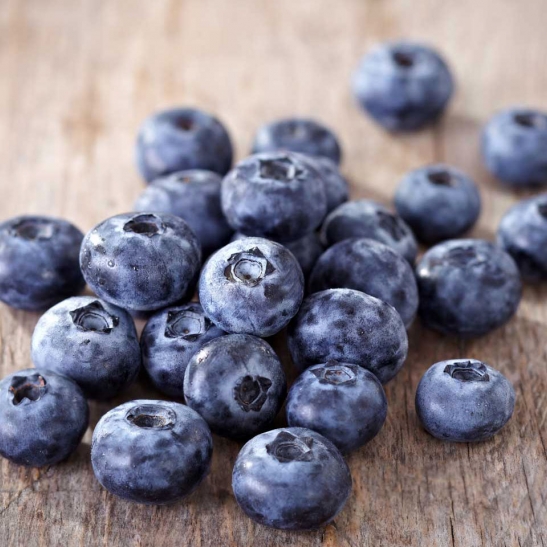
Garden Frutta fresh blueberries: a delight that comes from our productions in Trentino. With their rounded shape and crunchy skin, they are a delight for the eyes and palate.
They are rich in vitamin C and very sweet, we are sure you can't wait to eat a handful!

AVAILABILITY: Year-round.
STORAGE: Recommended temperature between 2 and 4 ° C.
Blackberries
Blackberries

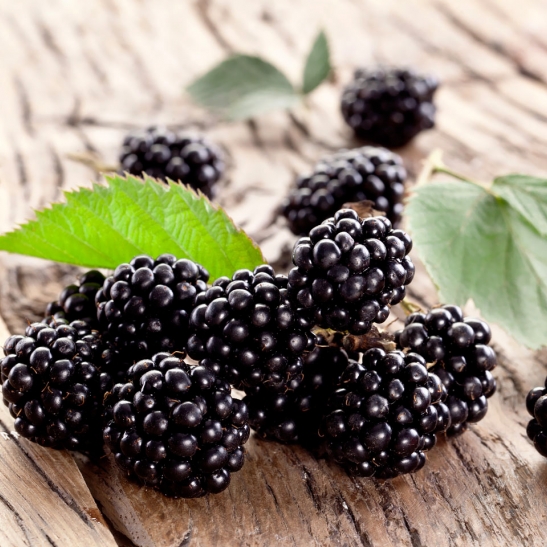
They are a source of antioxidants, have diuretic properties and are rich in folic acid. These berries fight cellular aging and prostration. Eat them fresh, in jams, desserts, and ice cream; they are always tasty on the palate!

AVAILABILITY: Year-round.
STORAGE: Recommended temperature between 2 and 4 ° C.
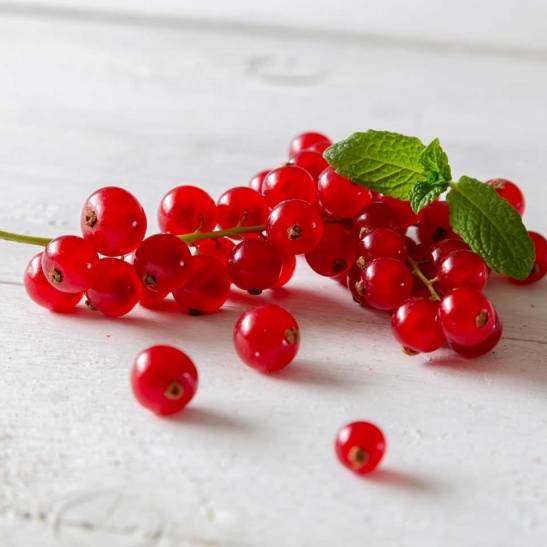
Redcurrant
Redcurrant

This berry with a sweet and sour taste is rarely missing in the decoration of a dish or a cocktail.
Beauty is combined with the versatility of fruit rich in citric acid, vitamin C, flavonoids and anthocyanins.
A mix of properties that has an astringent, refreshing and protective effect on the retina, vessels and capillaries.

AVAILABILITY: Year-round.
STORAGE: Recommended temperature between 2 and 4° C.
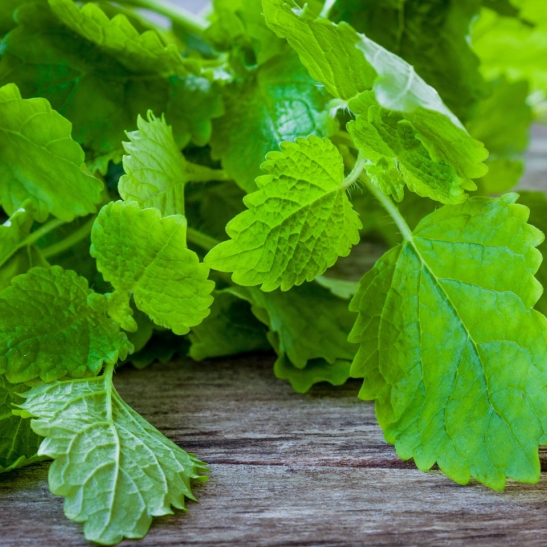
White currant
White currant

The white currant, among all the small fruits, is one of the rarest and most particular.
The fruits of white currant are rich in nutrients: citric and malic acid, vitamin C, flavonoids, polyunsaturated acids and trace elements.
Their action is astringent, refreshing, and anti- inflammatory. They are useful for the circulatory system and for preventing infections.

Blackcurrant
Blackcurrant

Black currant is known for its anti-inflammatory and antihistamine properties. It is also useful against conjunctivitis, allergy and tiredness.
The fruits are rich in citric acid, malic acid, vitamin C, trace elements, polyunsaturated acids, flavonoids and anthocyanins, and are useful for their astringent, vasoprotector-capillarotropic, retinal and refreshing action.
They are therefore indicated, in the form of juice or infusion, for capillary fragility and couperose.

Gooseberry
Gooseberry

Gooseberry is a fruit rich in vitamins, trace elements and nutrients useful for preserving psychophysical well-being.
If you love sour flavours, you can eat it as a delicious snack to break your mid-morning or afternoon hunger.
If, on the other hand, you prefer sweeter and more delicate flavours, you can put it in a fruit salad in combination with apricots, bananas, blueberries, pears or apples.
This fruit is also used as a decoration for desserts or for meat or fish dishes or as a basic ingredient for jellies, syrups, jams and marmalades.

Wild strawberry
Wild strawberry

During a walk in the mountains, all of us were unable to resist the taste and amazement of wild strawberries; so much that our mind still retains a nostalgic memory of their scent!
You can enjoy our wild strawberries plain, use them for sweets and jams or accompany them with a spoonful of custard!

Wild Bilberry
Wild Bilberry

The berries of the wild blueberry have a high number of organic acids. Thanks to it, you can begin to benefit from their action to help circulation and protect the capillaries.
Drinking a glass of wild blueberry juice will help you to support the elasticity of your blood vessels, to counteract phenomena such as slowed circulation and the feeling of always having heavy legs, especially in summer.
Consuming wild blueberry daily will help boost your health. The wild bilberry also contains many vitamins, such as vitamin A and vitamin C.
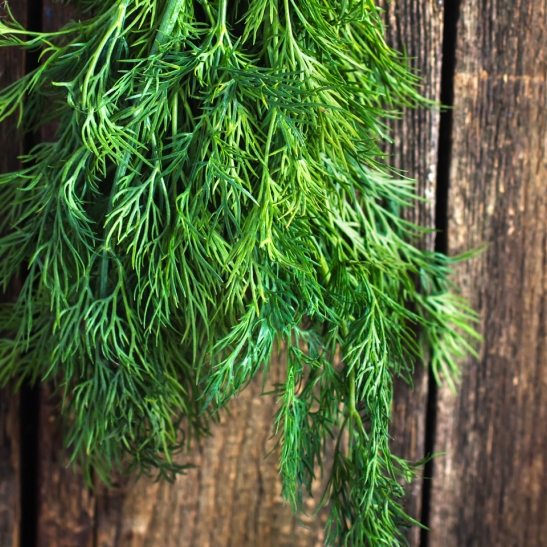
Wild Cranberry
Wild Cranberry

Cranberries are small berries with round or oval shapes.
The colour goes from red to dark red. The pulp of the cranberry is white and has a sweet and sour taste.
Cranberries are particularly popular with consumers during the holiday season.
They go well with game dishes and other fruits.

AVAILABILITY: January and from September to December.
STORAGE: Recommended temperature between 2 and 4° C.
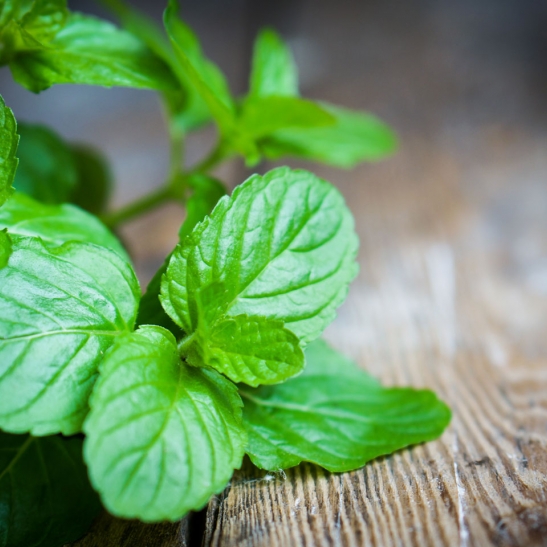
Boletus (Porcino)
Boletus (Porcino)

Mushrooms are a source of carbohydrates, proteins, minerals and vitamins!
In fact, among the mineral salts present in mushrooms, we find calcium, iron, manganese and selenium (an important element for our diet that helps us strengthen the immune system).
Garden Frutta porcini mushrooms are always fresh and carefully selected!

Cantharellus Cibarius (Finferlo)

Baked, sautéed or in a risotto: dozens of recipes are available for these fresh Chanterelles!
Collected in the forests of Romania and Lithuania, they are checked, certified and shipped in a single day, reaching your trusted dealer fresh!

Cantharellus Lutescens (Finferla)

It is an excellent edible mushroom, with a tendentially yellow-gold-orange colour, known by the name of Finferla or Fiammiferino.
Thanks to its intense aromatic-fruity smell, it is very suitable for the preparation of excellent omelettes or “Pasqualina” cakes with a mix of mushrooms. It's also good for compotes or moist mixed mushrooms.
Its intense flavour is preserved during drying and, once dried, you can eat it either when it's dry or pulverized, or by letting it be slightly tempered with warm water.

Armillaria Mellea (Chiodino)

These are sponge-free mushrooms, therefore usable in all their parts of which nothing should be thrown away.
They are used for meat dishes, but also for the preparation of rice and pasta, due to their fibrous and dry consistency which creates a perfect match.
These mushrooms are very rich in water, mineral salts and dietary fiber compared to a truly negligible amount of sodium. Even the iron content is not irrelevant, especially if, as anticipated, you want to use them as a side dish for a nice slice of roast.

Agrocybe Aegerita (Pioppino)

It's one of the best known and loved mushrooms by Italians since ancient Rome.
The Pioppini, even after harvesting, can last a long time if stored in the refrigerator, keeping their organoleptic qualities unaltered.
As most sliced mushrooms, these lend themselves well to being cooked in combination with egg.
Alternatively, if they’re young and still tightly closed, they are excellent for preserving in oil.

Craterellus Cornucopioides (Trombetta da Morto)

“Trombette dei morti” are particularly sought-after mushrooms.
The appearance is not that great. The common name does not encourage consumption and yet it is a mushroom that should not be underestimated because, in many parts of Italy, it is known as the "truffle of the poor".
They have an aromatic taste similar to that of the Scorzone truffle, which goes well with other more delicate ingredients. They can be boiled or cooked in a pan with garlic and extra virgin olive oil to prepare excellent sauces.
In any case, these mushrooms give their best once dried and used in powder or pieces to season first courses.

Morchella (Spugnola)

Morel mushrooms are beautiful mushrooms good to bring to the table following the correct cooking to enjoy them to the fullest.
They are known for their flavour and texture. Even people who are not fans of mushrooms can discover the pleasure of tasting them.
Morels have a unique flavour, almost like meat, with a consistency similar to tender meat, with a natural sweetish taste between hazelnut and herbaceous hints.

Amanita Caesarea (Ovulo)

Amanita Caesarea, more commonly called Ovulo or King's mushrooms, are among the best mushrooms on the planet and have a delicate and extraordinary flavour.
They are inviting and tasty in lots of recipes. They can be used fresh in salads, cut into strips, and served with rocket, parmesan, and extra virgin olive oil.
If you prefer them cooked, you can prepare excellent pappardelle or cook them in the oven or you can sauté them in a pan with polenta and pecorino cheese.

Pleurotus Eryngii (Cardoncello)

Cardoncello is one of the finest mushrooms among those belonging to the Italian tradition.
The consistency is firm and the mushroom is very fleshy, the smell is pleasant, sometimes aromatic, and the flavour is, on the other hand, sweet but at the same full.
Cardoncello also stands out for its nutritional characteristics. It is characterized by a protein intake. It contains many essential amino acids that are good for the body and support the function of many organs. The same goes for vitamins, which are quite abundant.
It is excellent baked in the oven, perhaps together with potatoes, lamb, and sausage. If cleaned well, it can even be eaten raw in salads.

Basil
Basil

An unmistakable scent: basil is the king of aromatic herbs.
Good anti-inflammatory and antibacterial, it is also rich in beta-carotene.
It has been used in Italy for centuries, and today it is famous all around the world thanks to the amazing Genoese pesto.
An original way to consume basil is to fry it in batter and serve it as a side dish: a delicious alternative to French fries!

AVAILABILITY: Year-round.
STORAGE: Recommended between 8 and 12° C.

Parsley
Parsley

Fresh, slightly spicy, and above all healthy.
What many people don't know is that this fresh herb is rich in vitamins and minerals, such as vitamin K, which helps the body absorb calcium.
This bright green grass comes in several varieties. Flat-leaf parsley and curly parsley are directly related.

AVAILABILITY: Year-round.
STORAGE: Recommended between 2 and 4° C.

Rosemary
Rosemary

The aroma of rosemary is very distinctive and recognizable.
The taste is intense and reminiscent of Mediterranean cuisines, but use it sparingly: it will easily prevail over your recipe.
The twigs grow on a hardy shrub, with needle-like leaves in two colours: dark green on top, white below.

AVAILABILITY: Year-round.
STORAGE: Recommended between 2 and 4° C.

Sage
Sage

Sage is an aromatic and officinal plant widespread in temperate regions.
It is well known for its warm and penetrating aroma, therefore used in the kitchen as a seasoning, adapting to many dishes of Italian cuisine.
In Italian cuisine, sage can appear from appetizers to desserts. Despite its variety of uses, this plant is mainly used to flavour meat.
One of the main characteristics of this aromatic herb is its great digestive power; for this reason, it is often used in herbal teas or decoctions at the end of a meal.

Oregano
Oregano

In the dry form, the influence of oregano on recipes is stronger, but in many dishes the slightly milder taste of fresh grass is preferable.
The sturdy twigs are green-purple. Green, pointed leaves sprout. It is important to add fresh oregano at the end of cooking.

AVAILABILITY: Year-round.
STORAGE: Recommended between 2 and 8° C.

Marjoram
Marjoram

The herb has been used for at least twenty centuries, although fresh marjoram was known primarily as a remedy for ailments back then.
Nowadays, this herb is mainly known in Mediterranean cuisine. Marjoram is instantly recognizable in many Provencal recipes, often paired with oregano.
The perfume is intense, almost like thyme; with a fresh, sweet, and salty flavour. Compared to oregano, marjoram has a slightly milder flavour.

AVAILABILITY: Year-round.
STORAGE: Recommended between 2 and 4° C.

Tarragon
Tarragon

Although tarragon originates from Central Asia, it is the great French chefs who have given this herb its reputation.
It is a green herb with a delicate and slightly sweet aroma that tends slightly to anise and pepper.
Elongated thin leaves grow on the long stems of the tarragon plant.

AVAILABILITY: Year-round.
STORAGE: Recommended between 2 and 8° C.

Fennel
Fennel

Fennel or wild fennel is an herbaceous plant that can grow spontaneously on the coasts of the Mediterranean.
It is a very versatile food. It's used raw to enrich mixed salads, but you can also cook it to enrich the most varied culinary preparations.
Fennel has a good amount of water, but it also contains vitamins, minerals, and numerous molecules with nutraceutical value, such as phenolic compounds and flavonoids.

Chives
Chives

It is an excellent alternative to the more well-known onion flavour and has a taste that goes perfectly with cooked vegetables, meat and fish.
The plant is often used to flavour green or tomato salads, omelettes, potatoes, soups and quiches. Together with celery and carrot, it is a delicate alternative for sautéing sauces.

AVAILABILITY: Year-round.
STORAGE: Recommended between 2 and 8° C.

Thyme
Thyme

Thyme is one of the most popular herbs of Mediterranean cuisine, it is excellent for flavouring dishes and, thanks to its digestive properties, it is used in numerous liqueurs.
We suggest you a tasty recipe that is quick to prepare: a savoury zucchini and thyme pie!

AVAILABILITY: Year-round.
STORAGE: Recommended between 2 and 4° C.

Coriander
Coriander

Coriander isn't just similar in appearance to parsley, which the herb is related to, but the flavour is also very similar, although fresh cilantro has a stronger one.
The taste is best described as slightly sweet, with a hint of anise.

AVAILABILITY: Year-round.
STORAGE: Recommended between 2 and 4° C.

Chervil
Chervil

This aromatic herb is very similar to parsley, much more delicate.
The chervil leaves are light green and turn red in autumn.
The aroma is reminiscent of parsley and anise and is added to soups, broths, white meats such as chicken and rabbit or eggs.
It also goes well with legumes such as beans, broad beans and peas.

Myrtle
Myrtle

Myrtle immediately reminds us of Sardinia and the very famous liqueur!
Have you ever thought of using it in the kitchen? Not only for jam but also real recipes.
We want to give you a first suggestion, try marinating the chicken in myrtle leaves, you will not be disappointed!

Savory
Savory

Savory is an aromatic herb native to the Mediterranean and is rich in active ingredients, vitamins and mineral salts.
In the kitchen, it goes well with salads, cheeses, meat and for the preparation of sauces and gravies.
It can be used both fresh and dried, while a very particular combination is that with legumes since it promotes digestion.

Glasswort
Glasswort

Glasswort is a sea vegetable grown in saline conditions.
It is no surprise that the taste also has that salty, savoury flavour.
It can be cooked but raw it is good too, as an unexpected salty addition to a salad, for example.

AVAILABILITY: Year-round.
STORAGE: Recommended between 2 and 4° C.

Melissa
Melissa

Melissa is a plant that has boasts various antispasmodic and antioxidant properties and effective against insomnia and stress.
Not everyone knows that leaves can also be used in cooking as a cooking ingredient.
They can be added to salads, taking advantage of their lemon-like flavour, with a slight mentholated aftertaste.
You can use them to flavour meat, soups, legume soups or to make excellent liqueurs.

Dill
Dill

Dill is an aromatic plant used in many areas of the world.
It is not uncommon to find bread or cheeses flavoured with the slight aroma of anise and fennel of dill.
It can also be used to flavour fish dishes, salads, eggs, and potatoes.

AVAILABILITY: Year-round.
STORAGE: Recommended between 2 and 8° C.

Mint
Mint

The mint leaves have an unmistakable scent!
You can use them in many dishes to give a fresh and summery touch.
Perfect ally of seasonal drinks, it is just what you need to fight the first heat!

AVAILABILITY: Year-round.
STORAGE: Recommended around 2° C.

Sakura Mix
Sakura Mix

Garden Frutta Sakura Mix sprouts lend themselves to enriching salads, canapés, appetizers, soups, and broths.
They are ideal for flavouring extra virgin olive oil and cheeses to create delicious alternatives to the classic Genoese pesto with oriental and intense notes.
Fresh sprouts are versatile, also use them to decorate delicious fish dishes, croutons, and the most delicious fillings!

Cress
Cress

It is an edible plant characterized by tall, thin stems with oval-shaped leaves.
It tastes similar to a fresh pea, so much so that it goes perfectly with dishes with a strong and sour taste.
Good to eat and beautiful to look at for its decorative shape.

Soybean
Soybean

Soybeans are very rich in water, vitamins, especially vitamin C, and mineral salts that are precious for our body.
They can be considered natural supplements that also help us stimulate diuresis and detoxify the body.
Soybeans bring various benefits to our bodies: they help keep cholesterol at bay by thinning the blood; support the work of the intestine thanks to the supply of fiber that promotes regularity and counteracts constipation.

Wild garlic
Wild garlic

Wild garlic is a plant that grows near humid places. It is almost unknown in Italy and is rarely used in the kitchen.
Both the bulb and the leaves can be used. The taste of wild garlic is stronger than common garlic.
In particular, the minced bulb can be used to season sauces, to flavour potatoes, soups, and omelettes.

Borage
Borage

Borage is a wild plant widely used in cooking. The leaves are used to remove the fluff, usually after boiling.
The leaves are excellent fried with batter or used to fill ravioli and tortellini or simply chopped and made into an omelette.
They can also be used to flavour various dishes with their sour taste that vaguely recalls cucumber.

Thanks to an extensive and well-established network of contacts with producers all over the world, Garden Frutta is able to source and distribute a wide variety of products all year round.

CONTACT US
Via sommacampagna, 63 F 37137 Verona VR
+39 045 8601208
+39 045 8618548
info@gardenfrutta.it
FOLLOW US:
  • Facebook
  • Instagram
  • Linkedin
  • YouTube
PRODUCTS
  • Strawberries, Cherries and Small Fruits
  • Exotic Fruits
  • Exotic Vegetables
  • Mushrooms
  • Herbs
  • Chili Peppers
  • Roots
  • Special Products
© 2021 Garden Frutta s.r.l. | P.IVA 01988630230 | Realizzato da Studio Hita
  • Privacy Policy
  • Cookie Policy
    • English
      • Italiano
      • English
    • Home Page
    • Company
    • Products
      • Strawberries, Cherries and Small Fruits
      • Exotic Fruits
      • Exotic Vegetables
      • Mushrooms
      • Herbs
      • Chili Peppers
      • Roots
      • Special Products
    • Our Brand
      • Garden Frutta
      • Garden Esotika
      • Amor
      • Mon Amour
    • Certifications
    • Contacts
    • Work with us

    Garden Frutta is able to find and distribute a wide variety of products at any time of the year.

    ADDRESS

    Via sommacampagna, 63 F 37137 Verona

    TELEPHONE NUMBER

    +39 045 8601208

    EMAIL

    info@gardenfrutta.it

    • Facebook
    • Instagram
    • Linkedin
    • YouTube